Men’s Suit Fit Guide for a Perfect First Impression

Wearing a suit should boost your confidence, not feel uncomfortable. If your jacket pulls or your pants bunch up, the fit isn’t right. This men’s suit fit guide will show you how a suit should truly fit — with simple tips that make a big difference.
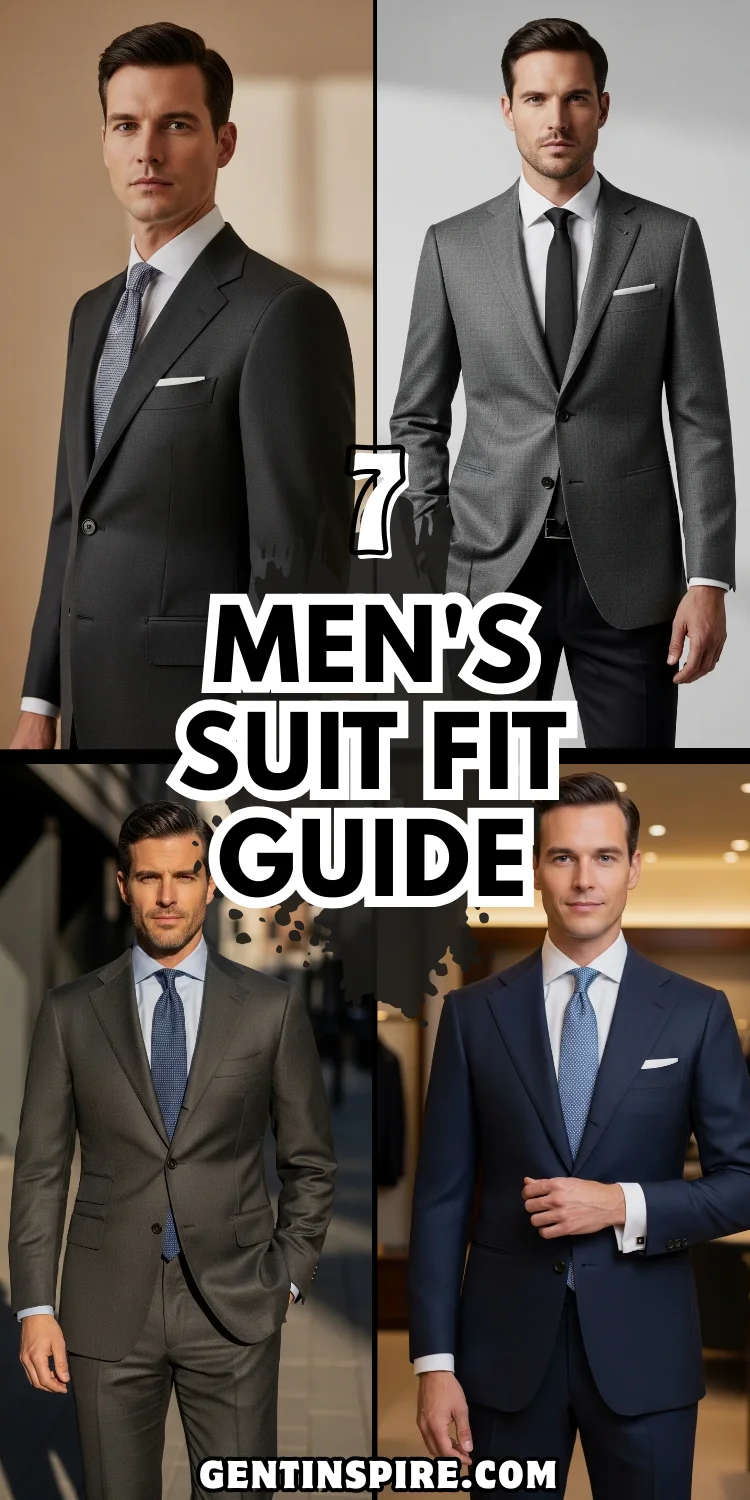
I still remember the first time I bought a suit without thinking about the fit. It looked great on the hanger. The color was sharp, the fabric felt premium, and I convinced myself it was “good enough.” But the moment I saw photos from that event, I knew something was off.
The shoulders were slightly too wide. The sleeves swallowed half my hands. The trousers bunched at the ankles like I borrowed them from someone taller. That’s when I learned a powerful lesson: a suit isn’t about the brand or price. It’s about the fit.
A properly fitted suit changes everything. It sharpens your posture. It defines your frame. It makes even an average haircut look intentional. In this men’s suit fit guide, I’ll break down exactly how a suit should fit, from shoulders to hem, so you never second-guess yourself again.
Understanding Suit Fit Categories Before You Choose
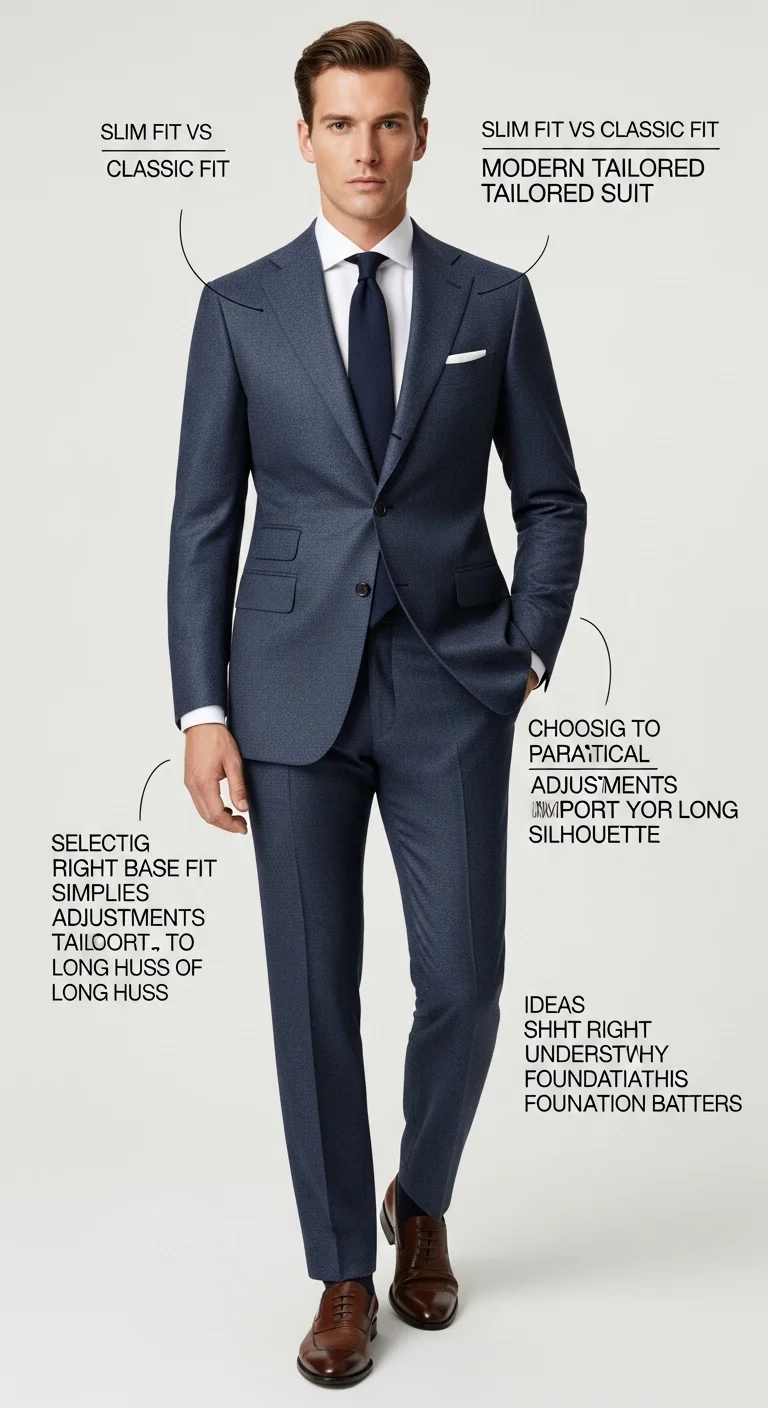
Provide a clear breakdown of the three primary suit fit categories: classic fit, slim fit, and modern fit. Explain how each category differs in shoulder structure, waist tapering, and trouser cut, while maintaining relevance to the main men’s suit fit guide theme.
Include related keywords such as slim fit vs classic fit suit, modern tailored suit, and choosing the right suit silhouette.
Emphasize that selecting the right base fit simplifies tailoring adjustments and improves comfort for long hours of wear.
Keep the tone educational yet practical, ensuring readers understand why this foundation matters before exploring the seven ideas.
7 Men’s Suit Fit Guide Ideas
Nail Shoulder Fit First—Everything Else Follows

If the shoulders fit, the suit can be saved. If they don’t, game over. Shoulder seams should sit right at the edge of your shoulder bone, not drooping or denting like armor.
Key Points
- Seam Placement: The seam should meet the top of your shoulder where it drops off.
- No Divots: Avoid puckering or “dents” near the sleeve head—those scream wrong size.
- Minimal Padding: Go for light structure unless you want a strong, broad silhouette.
Stand sideways in the mirror. Do the shoulders end where your body ends? If not, try another size. You’ll thank yourself every time you catch your reflection.
Best for: Everyone, always. Shoulders dictate the entire jacket’s drape and your overall presence.
Dial In the Jacket Length—Cover the Seat, Don’t Swallow It
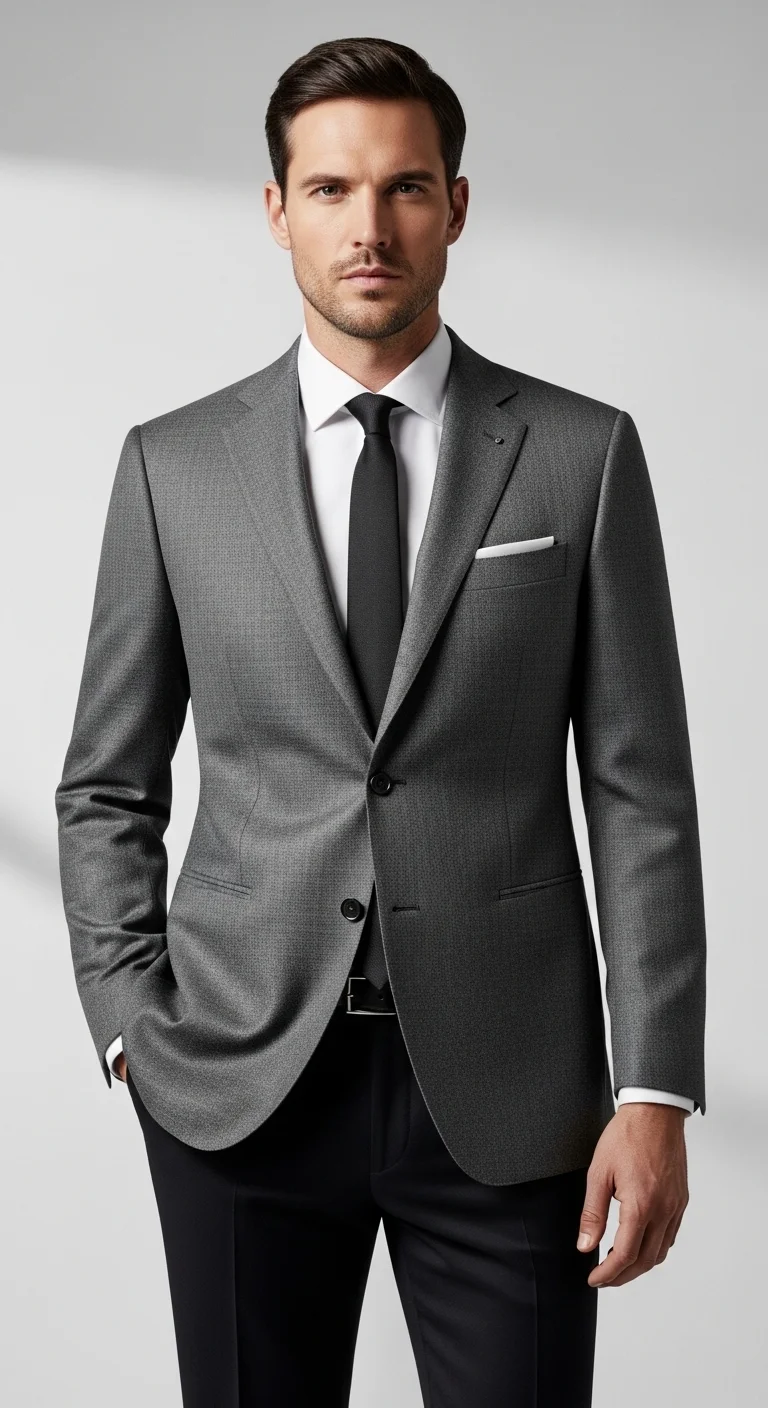
Jacket length affects your proportions more than you think. Too short and you look like you borrowed from your little brother. Too long and you look weighed down.
Quick Checks
- Seat Coverage: The jacket should cover your rear, with a slight break at the bottom.
- Halfway Rule: It should hit around the midpoint between your collar and floor.
- Hand Test: With arms relaxed, your cupped fingers should graze the hem.
If you’re tall and slim, keep it classic length to avoid the “shrunken blazer” vibe. Short guys can go slightly shorter for better leg lines—slightly being the keyword, FYI.
Best for: Balancing your frame, especially if you’re very tall or on the shorter side.
Perfect the Chest and Waist—Close Comfortably, No Button Panic
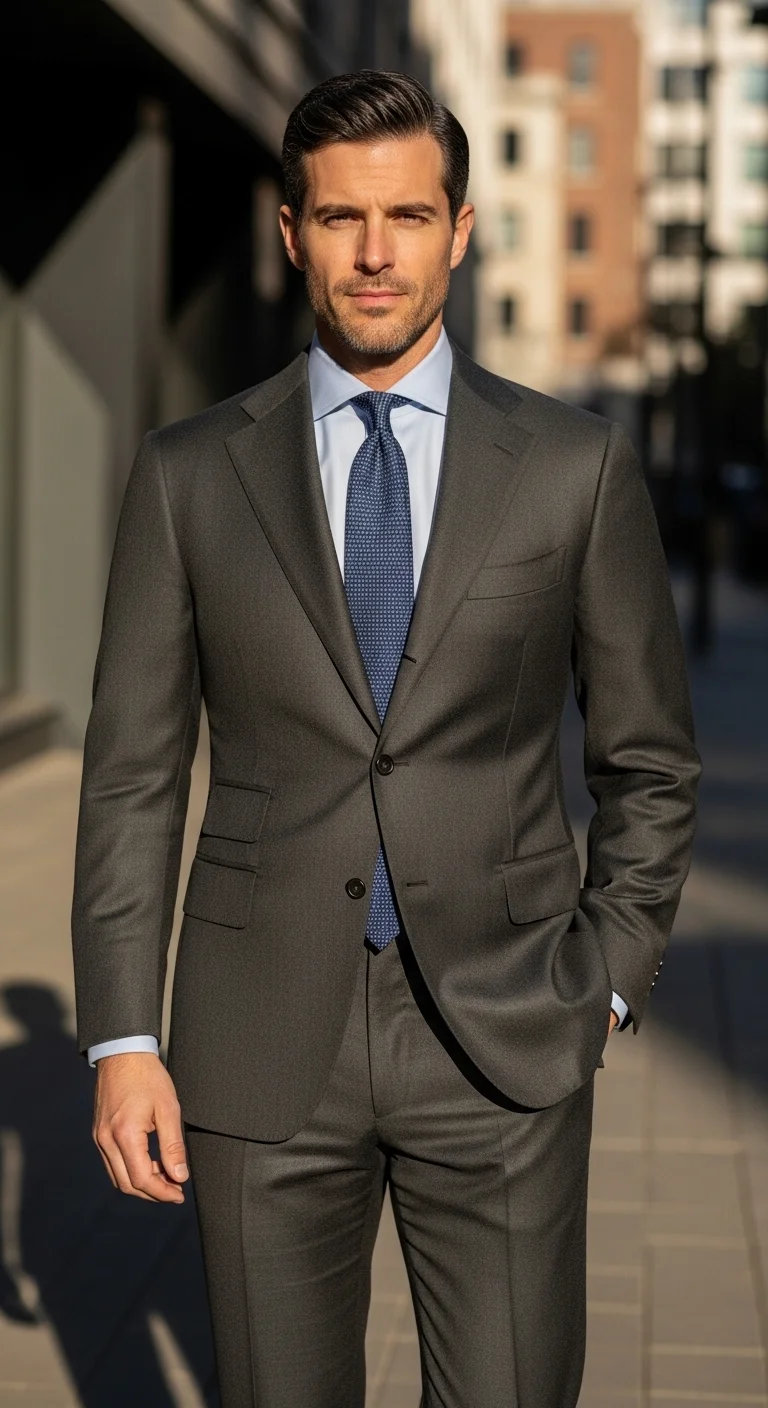
The jacket should hug, not choke. Button the middle button (or top on a two-button stance) and check for comfort and clean lines.
Fit Signals
- Moderate Suppression: You want a gentle V shape from chest to waist—nothing corset-like.
- No X-Wrinkles: If fabric pulls into an “X,” it’s too tight. If it drapes lifelessly, too loose.
- Chest Room: Slide a flat hand inside the jacket when buttoned—snug, not squeezed.
Ask a tailor for a slight taper if you carry more around the midsection, or a bit more room in the chest if you lift. Your torso should land somewhere between sleek and breathable—IMO, closer to sleek.
Best for: Creating a strong silhouette that looks athletic without actually needing to hit the gym today.
Sleeve Length and Pitch—Show Cuff, Skip Floods
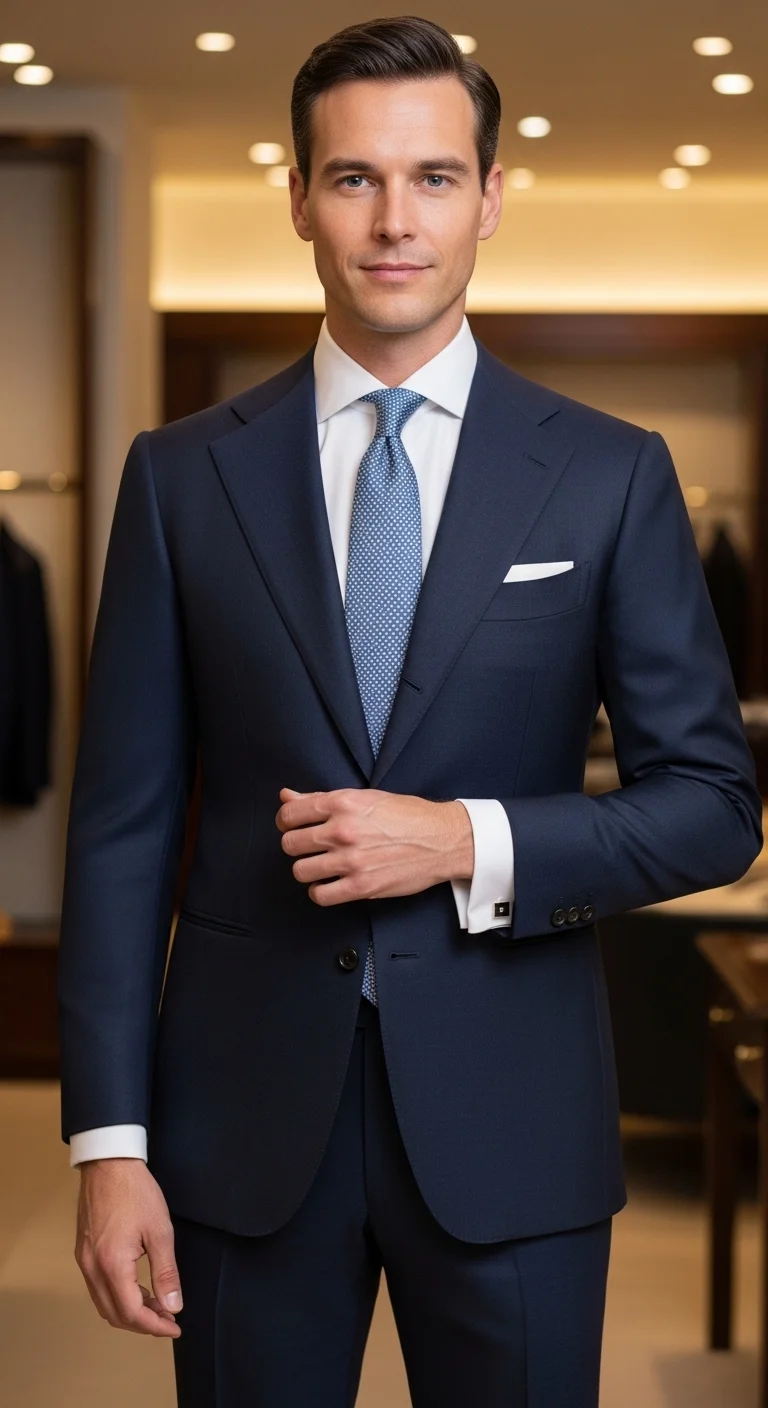
Sleeves are where great suits whisper, “custom.” You want to show just enough shirt cuff and keep movement natural.
Targets
- Length: End sleeves at the wrist bone so you show 0.25–0.5 inch of shirt cuff.
- Pitch: If sleeves wrinkle oddly when your arms rest naturally, the sleeve pitch is off—tailor fix.
- Buttons: Surgeon’s cuffs (working buttons) look premium, but only if the length is right.
Try different poses: hands at sides, in pockets, reaching forward. If the length looks clean in all positions, you nailed it. Too long looks sloppy, too short looks accidental.
Best for: Adding subtle polish and making even budget suits look expensive.
Trouser Rise, Taper, and Break—Shape Your Legs Like a Pro
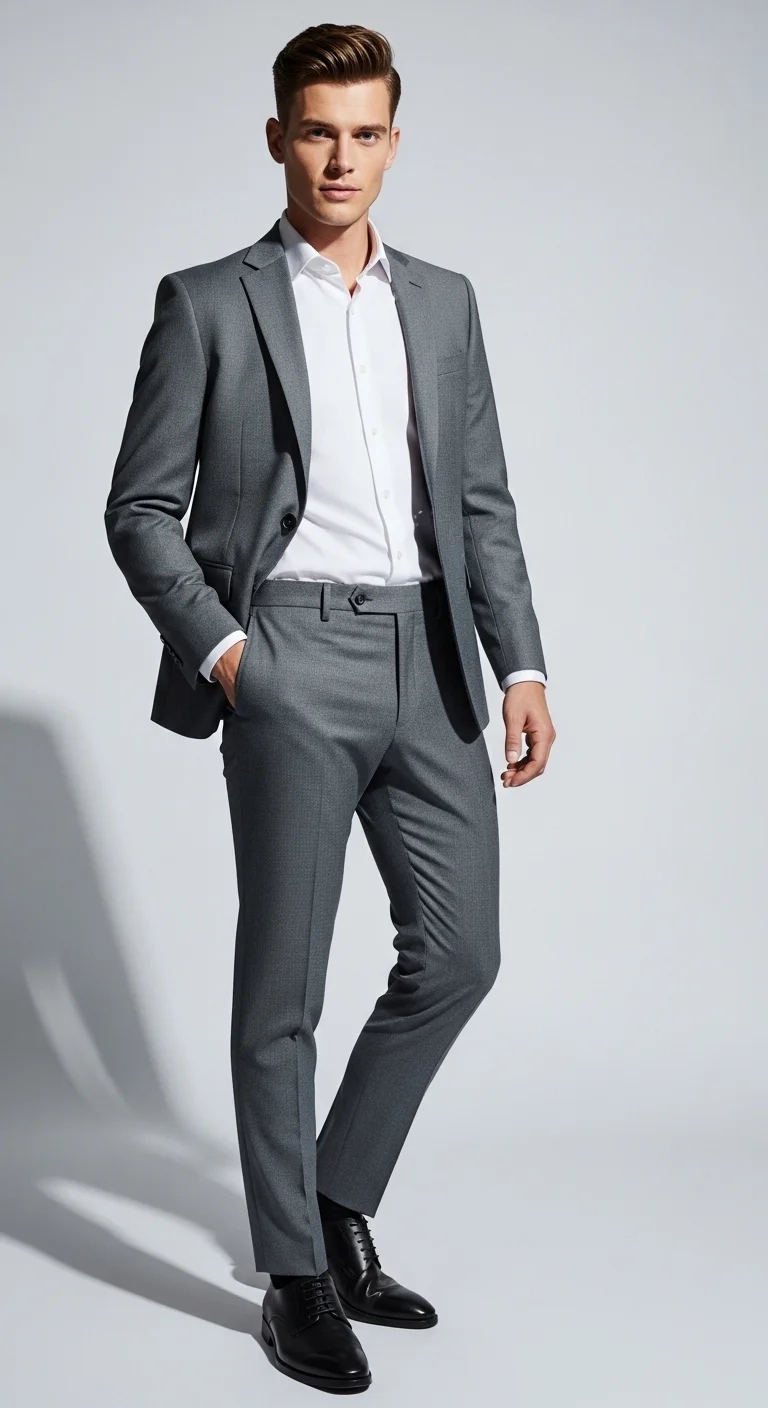
Pants make or break the vibe. Get the rise right, the taper clean, and the break purposeful—not accidental.
Fit Map
- Rise: Mid-rise flatters most—sits just below the navel and pairs cleanly with jackets.
- Taper: Follow your leg line without clinging. Calf pinch should allow a finger or two of space.
- Break: Choose your style:
- No Break: Fashion-forward, especially with slim cuts and loafers.
- Slight Break: Classic and safe for office settings.
- Half Break/Full Break: More traditional; works with wider legs and heftier shoes.
If your thighs are athletic, choose a roomier thigh with a gentle taper. Hem to your shoe style—sleek shoes like loafers love a shorter hem, chunkier derbies prefer a touch more length.
Best for: Clean lines and longer-looking legs—seriously, your mirror will applaud.
Lapels, Button Stance, and V-Shape—Frame Your Face Like a Boss
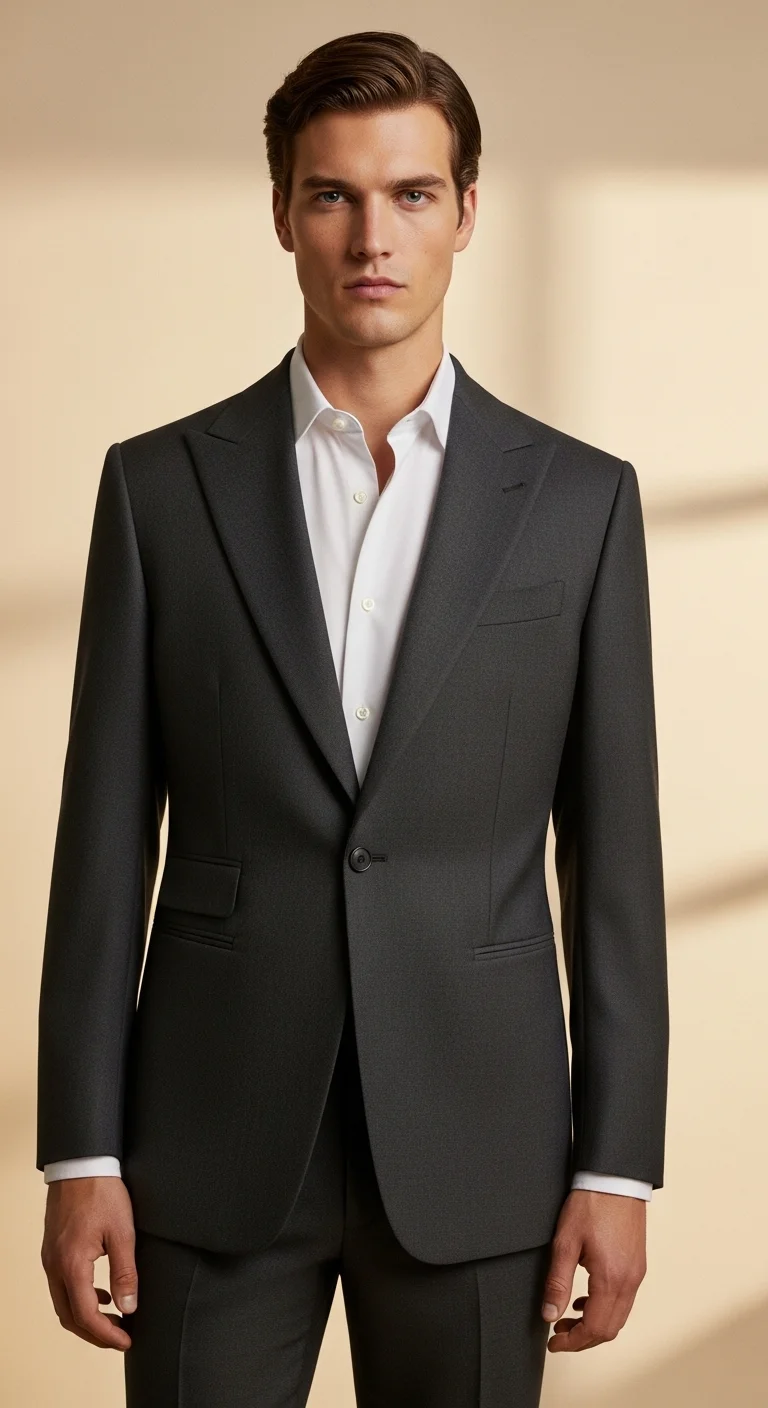
Lapel width and button stance affect your proportions and presence. The right combo creates that strong V that makes suits so flattering.
What to Choose
- Lapel Width: Aim for balanced—about half the distance from collar to shoulder seam. Slim frames can go slightly narrower; broad chests benefit from wider lapels.
- Notch vs. Peak: Notch is versatile and classic; peak looks bolder and elongates the torso.
- Button Stance: The top button on a two-button jacket should sit just above your navel to lengthen the legs and clean up the midsection.
Stand naturally and check the V. Does it draw the eye upward and slim the waist? If yes, you’ve got proportion magic. If not, adjust lapel width or try a different brand’s block.
Best for: Interviews, weddings, and any moment you want maximum presence with minimal effort.
Fabric, Structure, and Tailoring—Build Your Personal Suit Formula
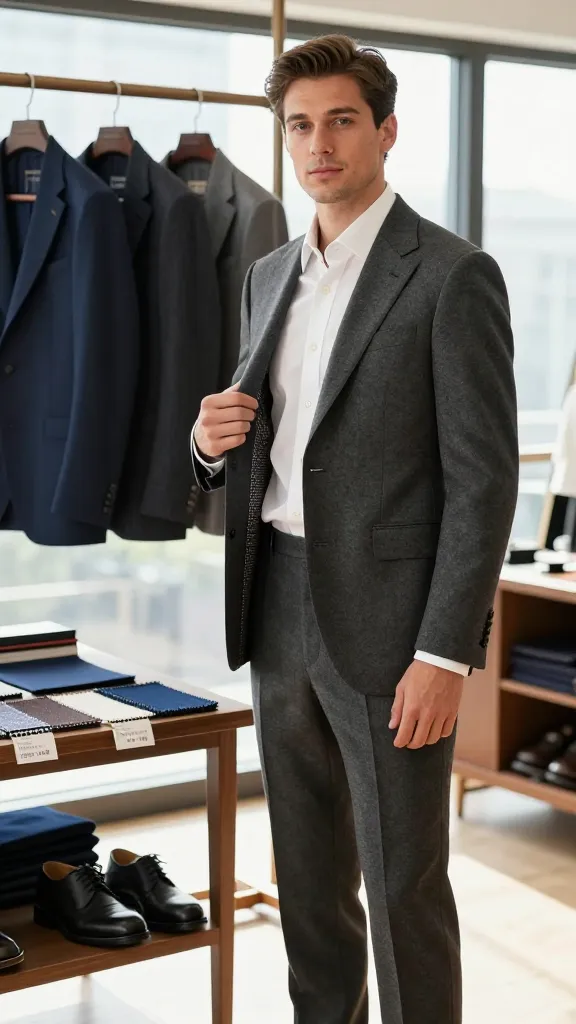
Once you get the fit basics, fine-tune with fabric and structure. These choices decide comfort, drape, and how formal you look without saying a word.
Smart Picks
- Fabric Weight: 9–11 oz works year-round. Heavier wool drapes better and resists wrinkles.
- Weave: Twill and serge = clean and formal; hopsack and fresco = breathable with texture.
- Structure: Unstructured for relaxed, natural shoulders; half-canvas for versatility; full canvas for heirloom-level drape.
- Lining: Bemberg or cupro breathes well. Partial lining keeps things cooler.
Then tweak with a tailor. Hem the trousers, contour the waist, clean up sleeves, and adjust the collar if it gaps. Little edits turn “off-the-rack” into “did you go bespoke?”
Best for: Building a reliable rotation that looks sharp Monday through wedding season.
Occasion-Based Adjustments Within a Men’s Suit Fit Guide
Explain how business meetings, weddings, formal events, and interviews may require slight adjustments in fit preference. Discuss how structure, tapering, and break might differ depending on context.
Include keywords such as business suit fit, formal suit tailoring tips, and interview suit fit advice. Provide practical insights that enhance reader value.
Final Wrap-Up
Summarize how mastering shoulder alignment, jacket length, sleeve proportion, waist suppression, trouser break, comfort, and tailoring transforms appearance. Reinforce that fit determines whether a suit looks average or exceptional.
Encourage readers to use this men’s suit fit guide as a checklist before their next purchase or tailoring appointment. End with a strong confidence-focused statement that inspires action and refinement.
