
How to Choose Cufflinks: A Complete Guide for Style and Confidence

Cufflinks are one of the smallest accessories in a man’s wardrobe, yet they can make one of the biggest style statements.
While ties, watches, and shoes often get most of the attention, cufflinks quietly add a level of sophistication that elevates an outfit from ordinary to polished.
Whether you are dressing for a wedding, a formal event, a business meeting, or simply want to refine your everyday style, choosing the right cufflinks can make a noticeable difference.
For many men, cufflinks may seem confusing at first. Questions like which style to choose, which material works best, or how they should match with an outfit are very common. The good news is that once you understand a few simple guidelines, selecting cufflinks becomes easy and even enjoyable.
This guide will walk you through everything you need to know about choosing cufflinks. From understanding shirt compatibility to selecting the right design, metal, and occasion, you will learn how to pick cufflinks that complement your personal style and enhance your overall appearance.
Understanding What Cufflinks Are
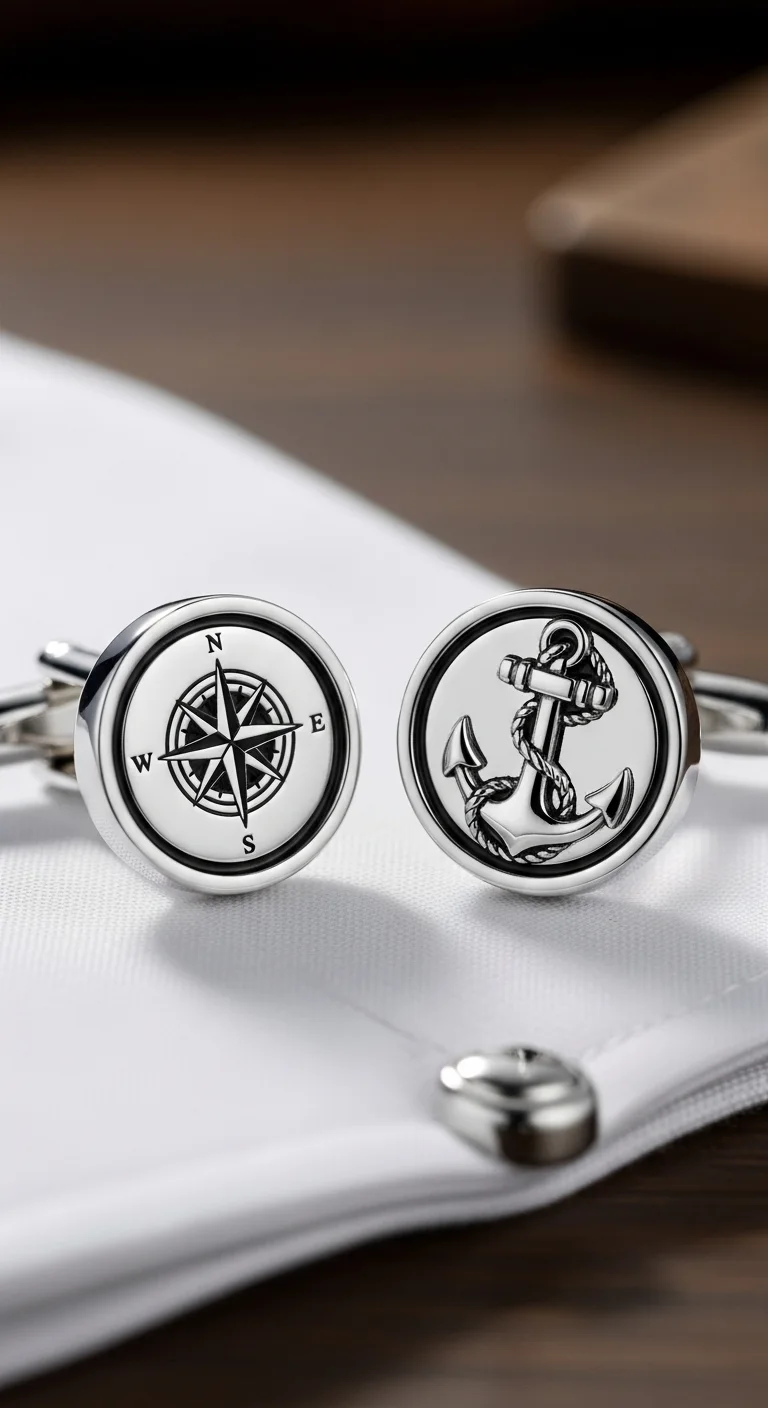
Before choosing cufflinks, it is important to understand their purpose and how they work. Cufflinks are decorative fasteners used to secure the cuffs of dress shirts that have French cuffs or double cuffs.
Unlike regular shirts that use sewn buttons, these shirts have small openings on both sides of the cuff. Cufflinks slide through these openings and hold the cuff together.
Originally, cufflinks were symbols of wealth and status. In the 17th and 18th centuries, wealthy men used gold chains, gemstones, and ornate metal designs to fasten their cuffs.
Over time, cufflinks evolved into stylish accessories that are available in a wide variety of materials and designs.
Today, cufflinks are worn not only for formal occasions but also to add personality to business attire and special outfits.
Make Sure Your Shirt Supports Cufflinks
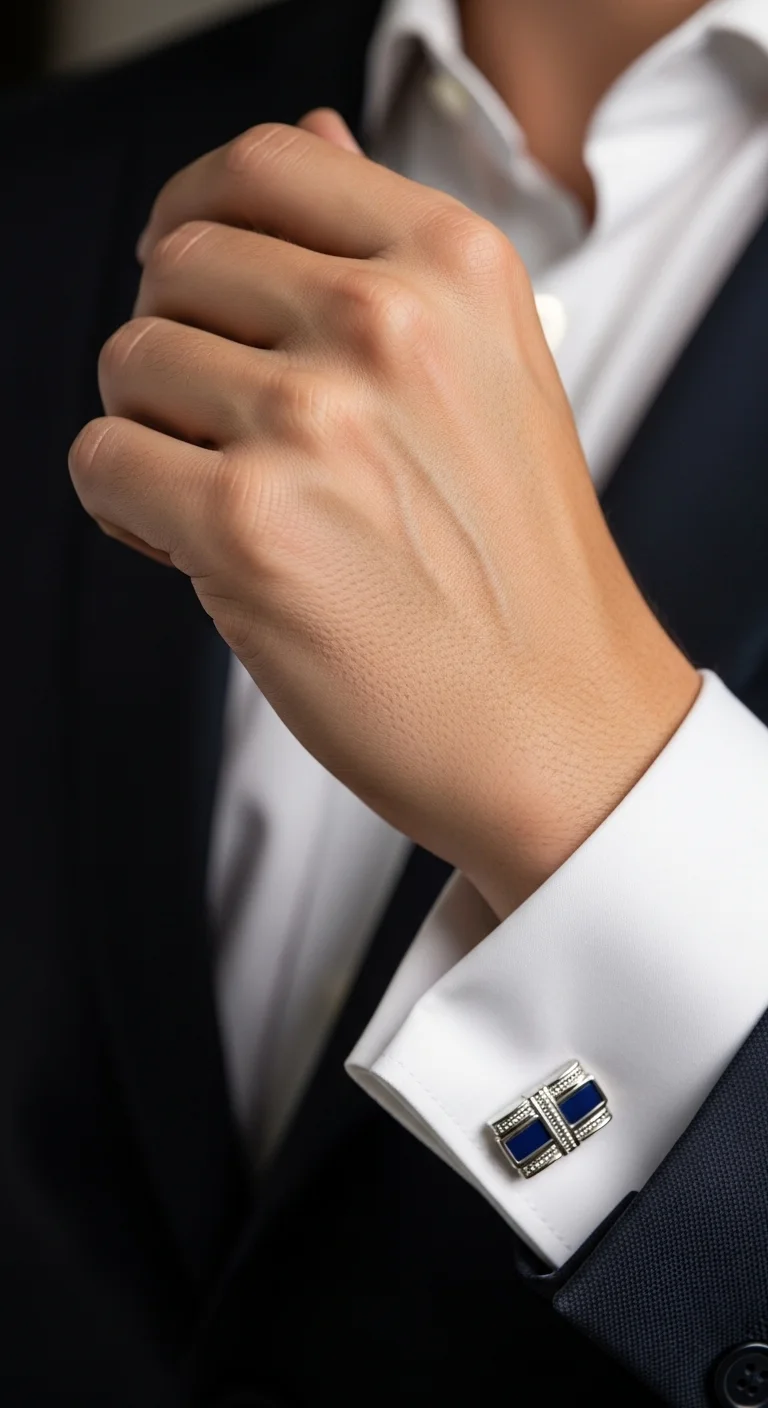
The first step in choosing cufflinks is making sure your shirt is designed to use them.
Cufflinks work with specific types of cuffs. The most common option is the French cuff shirt. French cuffs fold back and have holes on both sides where cufflinks are inserted.
Another option is convertible cuffs. These shirts allow you to use either standard buttons or cufflinks. This makes them a versatile choice for men who want flexibility.
Barrel cuffs, which are the most common cuff style on everyday dress shirts, typically use sewn buttons and do not require cufflinks.
When buying cufflinks, it is a good idea to also check that you have shirts that support them. Without the right cuff style, cufflinks cannot be worn properly.
Choose the Right Type of Cufflink Mechanism
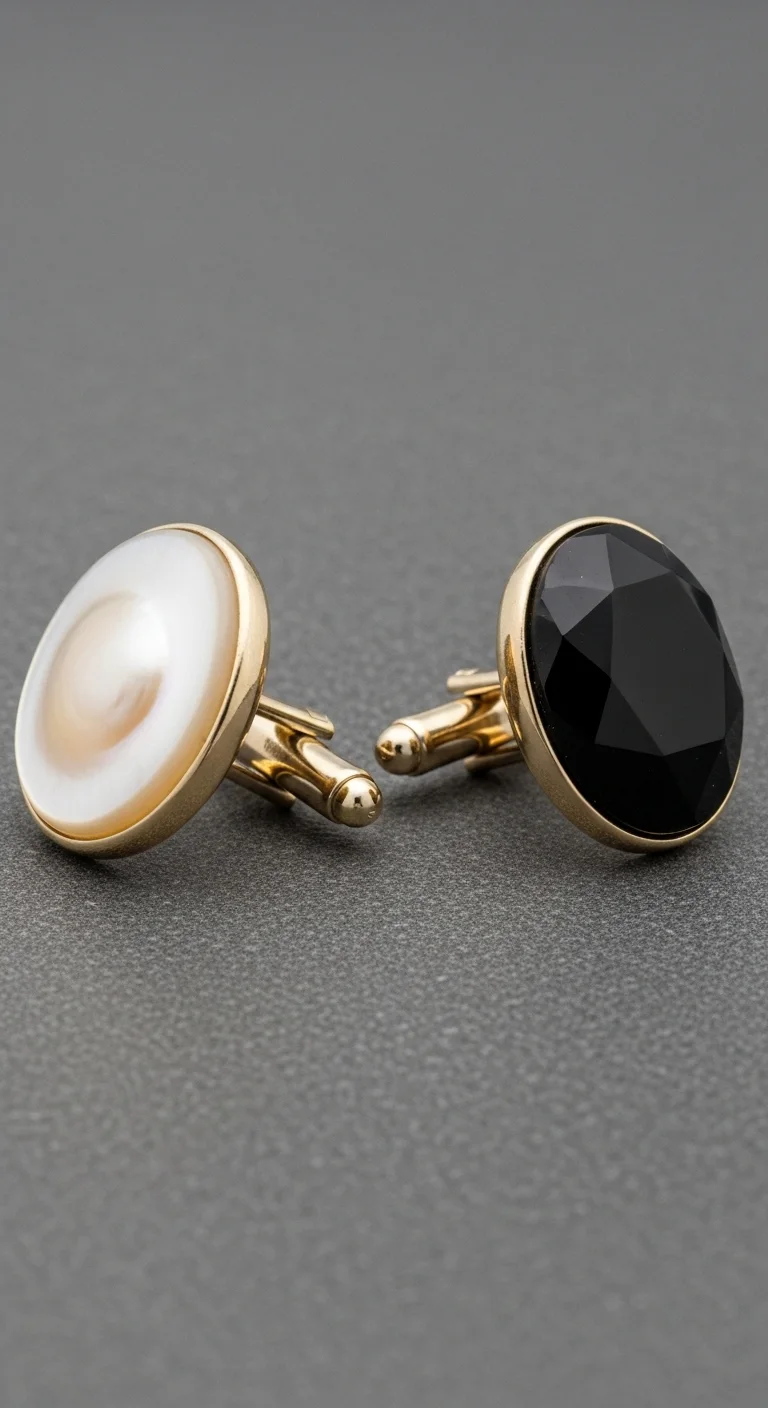
Not all cufflinks are constructed the same way. The mechanism used to secure them can affect comfort, durability, and ease of use.
Bullet Back Cufflinks
Bullet back cufflinks are the most common type. They feature a cylindrical bar that rotates into place to secure the cuff. These cufflinks are very easy to use, making them ideal for beginners.
They are widely available and come in many designs, making them a popular everyday option.
Whale Back Cufflinks
Whale back cufflinks have a flat post with a “whale tail” closure that flips flat when inserted and then flips up to secure the cuff. They are also simple to use and provide a secure hold.
Chain Link Cufflinks
Chain link cufflinks consist of two decorative ends connected by a small chain. They offer a slightly looser fit and a classic vintage look.
This style is less common today but is often appreciated by men who prefer traditional elegance.
Stud or Fixed Back Cufflinks
Stud cufflinks have a fixed backing with no moving parts. They can be slightly harder to put on but are considered very stylish and refined.
They are commonly worn with tuxedos and formal wear.
Consider the Occasion
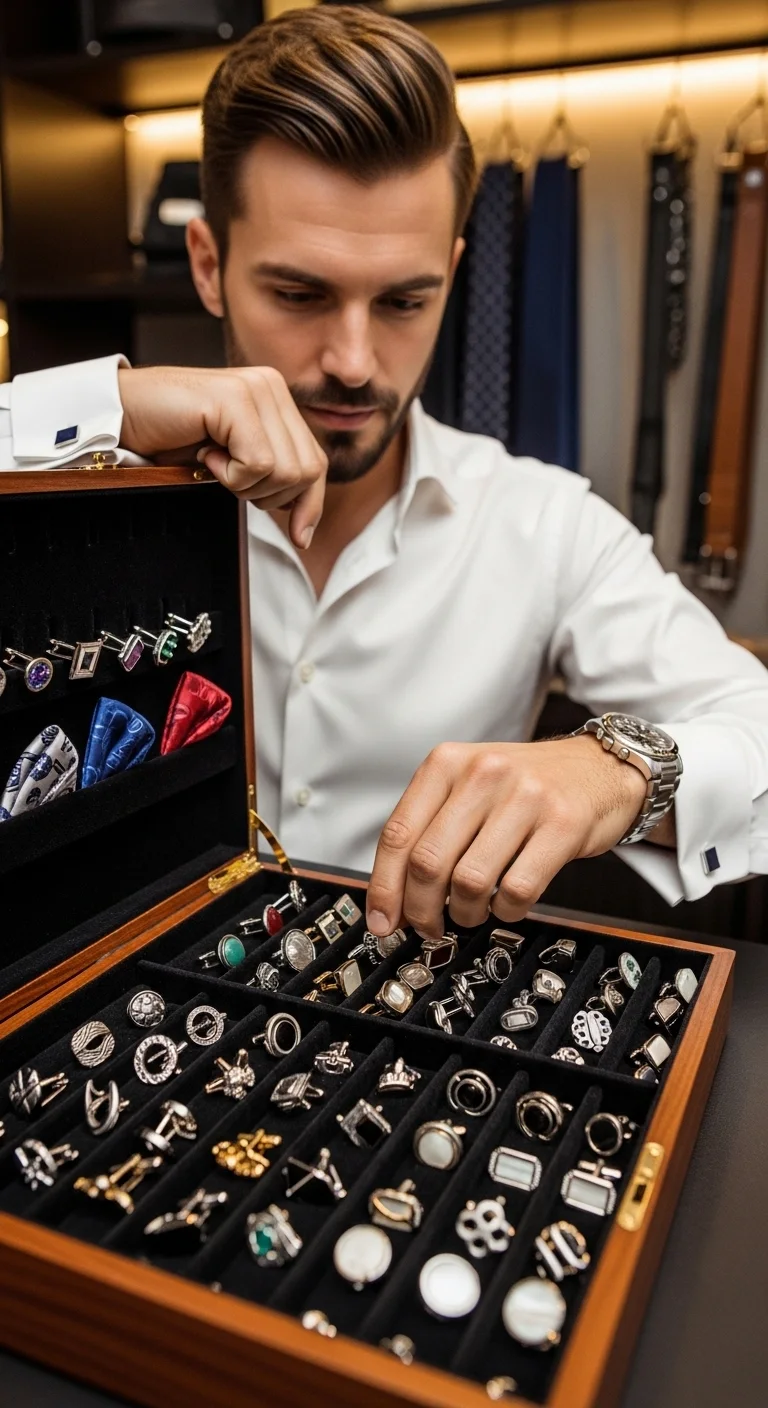
One of the most important factors when choosing cufflinks is the occasion where they will be worn.
Business and Professional Settings
For office environments, simple and understated cufflinks work best. Classic metals such as silver, gold, or brushed steel are excellent choices.
Minimal designs project professionalism and ensure the accessory does not distract from your overall appearance.
Weddings and Formal Events
Formal events allow for more elegant cufflinks. Materials such as gold, mother-of-pearl, or onyx add sophistication and complement formal attire like tuxedos or tailored suits.
Many grooms choose cufflinks that coordinate with their wedding theme or that hold sentimental meaning.
Casual and Creative Settings
In more relaxed environments, cufflinks can express personality and creativity. Novelty cufflinks shaped like hobbies, symbols, or artistic designs can add a fun element to your outfit.
However, even playful cufflinks should still match the overall tone of your clothing.
Selecting the Right Material
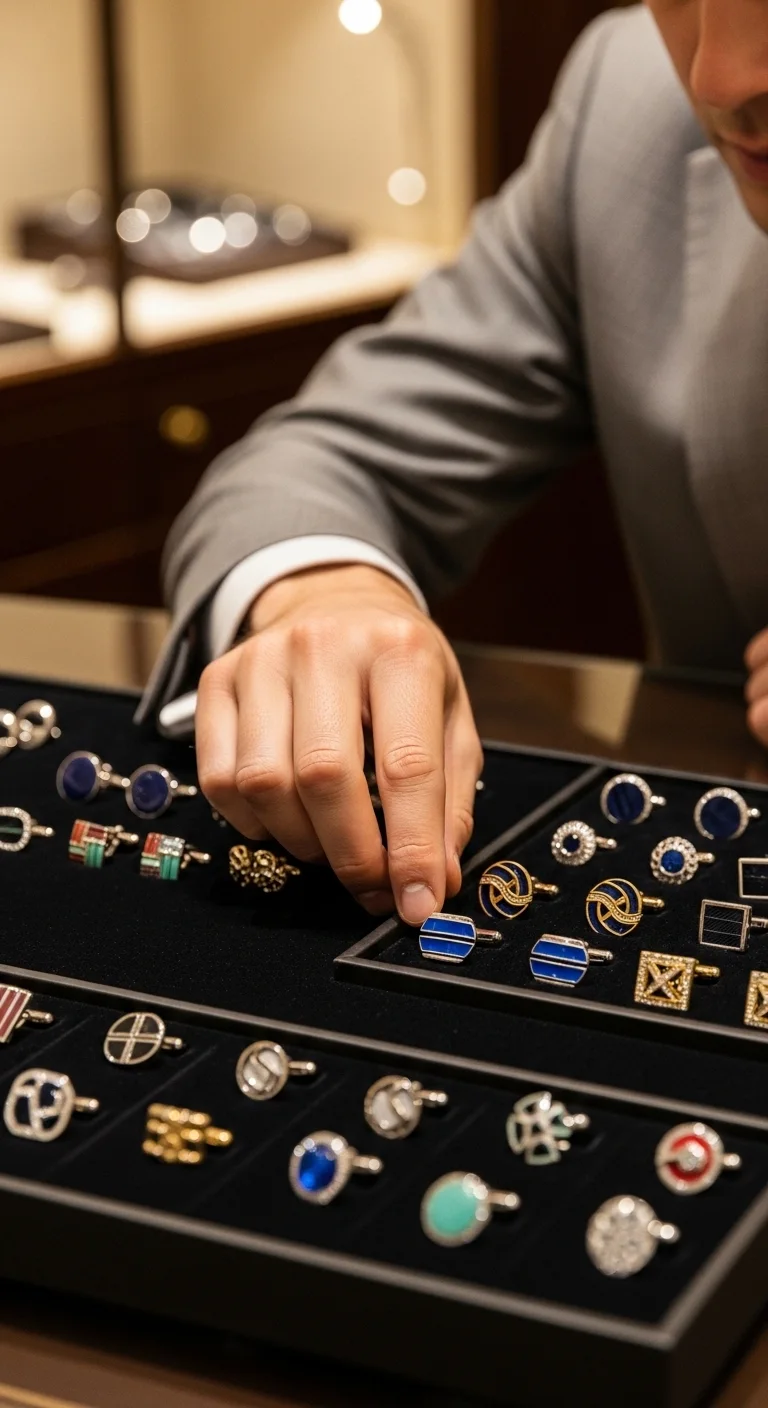
Cufflinks come in many materials, each offering a different aesthetic and level of formality.
Stainless Steel
Stainless steel cufflinks are durable, affordable, and versatile. They are ideal for everyday wear and match well with most watches and belt buckles.
Sterling Silver
Sterling silver cufflinks offer a timeless and polished look. They are popular in professional settings and formal events because they provide subtle elegance without being overly flashy.
Gold
Gold cufflinks create a luxurious and traditional appearance. They are often chosen for black-tie events, weddings, or formal celebrations.
Yellow gold, rose gold, and white gold each offer a slightly different style.
Enamel and Colored Designs
Enamel cufflinks introduce color and visual interest. These can help coordinate with ties, pocket squares, or other accessories.
They are often used in business casual or semi-formal outfits.
Gemstones and Decorative Materials
Some cufflinks include gemstones like onyx, lapis lazuli, or mother-of-pearl. These designs are elegant and eye-catching while still maintaining a refined look.
Match Cufflinks With Your Other Accessories
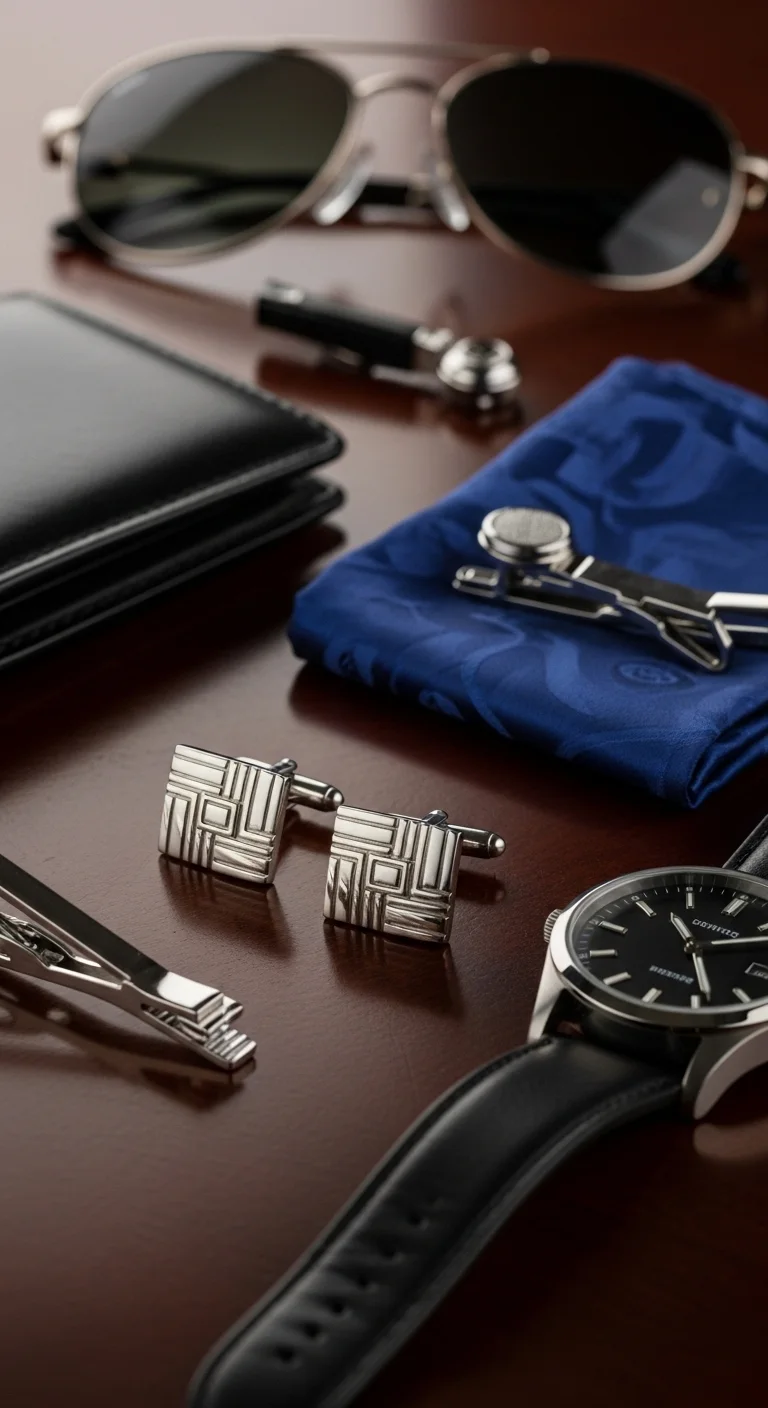
A key principle of good style is coordination. Cufflinks should complement your other accessories rather than clash with them.
One simple rule is to match metals. If you are wearing a silver watch and belt buckle, silver cufflinks usually work best. If your watch or ring is gold, gold cufflinks create a cohesive look.
Another approach is to coordinate colors. If your tie includes navy accents, cufflinks with subtle blue elements can tie the outfit together.
The goal is not perfect matching but visual harmony. Accessories should feel connected rather than randomly chosen.
Pay Attention to Size and Proportion
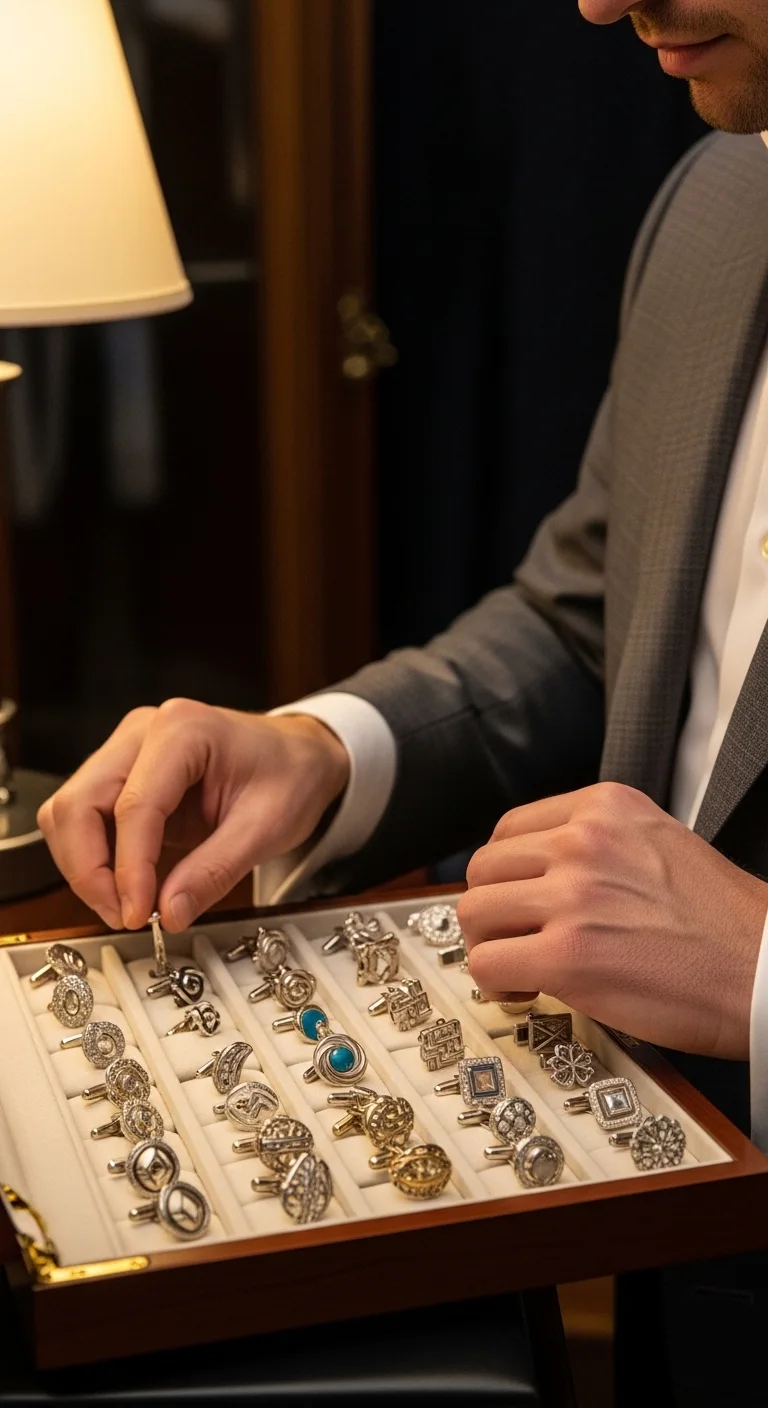
Cufflinks may be small, but their size still matters. Oversized cufflinks can look distracting, while extremely small ones may go unnoticed.
A balanced design typically looks best. The cufflink should be noticeable enough to add style but not so large that it dominates your wrist.
Men with slimmer wrists often look better with smaller cufflinks, while larger wrists can handle slightly bigger designs.
Choosing proportional cufflinks ensures your accessories enhance your outfit rather than overpower it.
Choose a Design That Reflects Your Personality
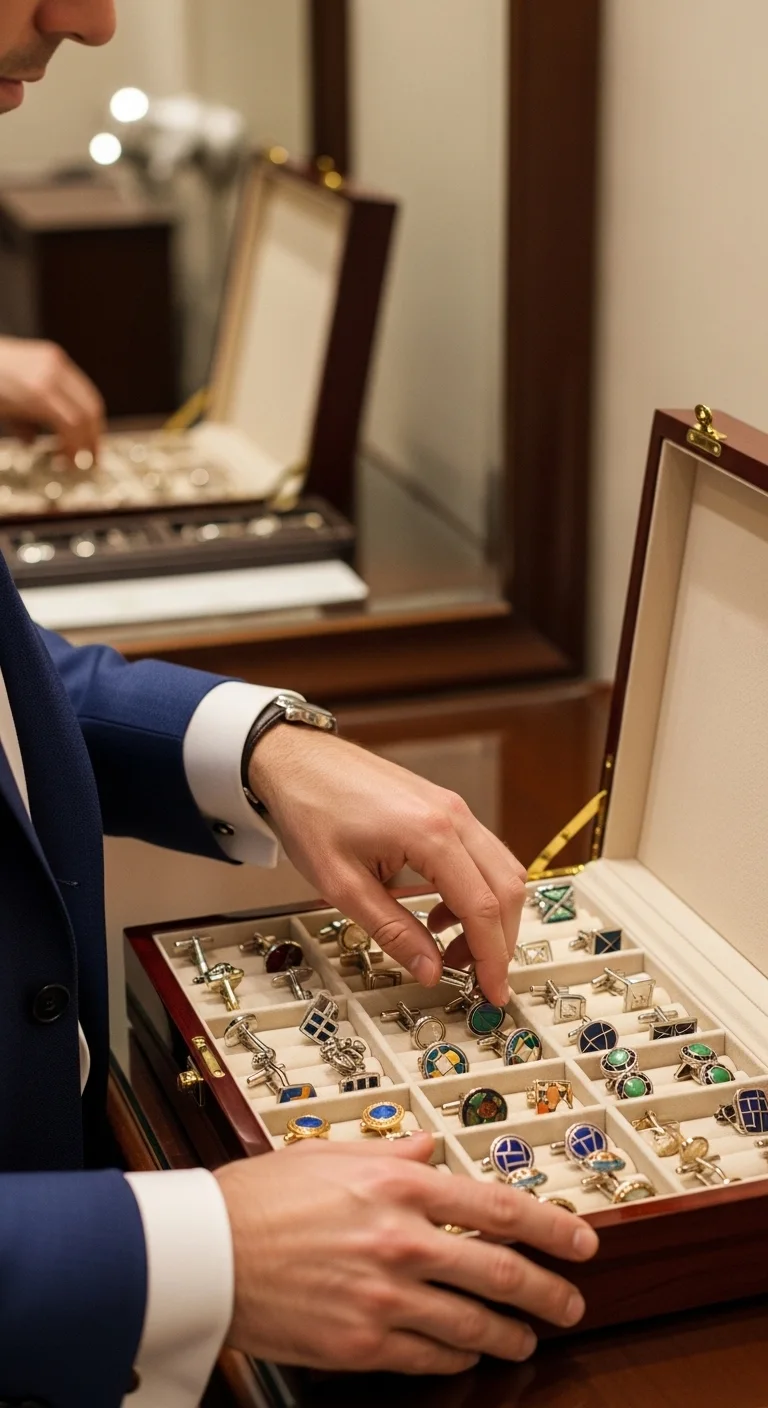
Cufflinks are one of the few accessories where men can express personal style in subtle ways.
Some men prefer classic round or square cufflinks in polished metal. These timeless designs work with almost any outfit and never go out of style.
Others enjoy unique shapes, engraved initials, or symbolic designs that represent hobbies, interests, or achievements.
For example, a musician might choose cufflinks shaped like instruments, while a traveler might prefer designs featuring airplanes or maps.
When chosen thoughtfully, cufflinks can become small expressions of identity.
Understand Formal Dress Codes
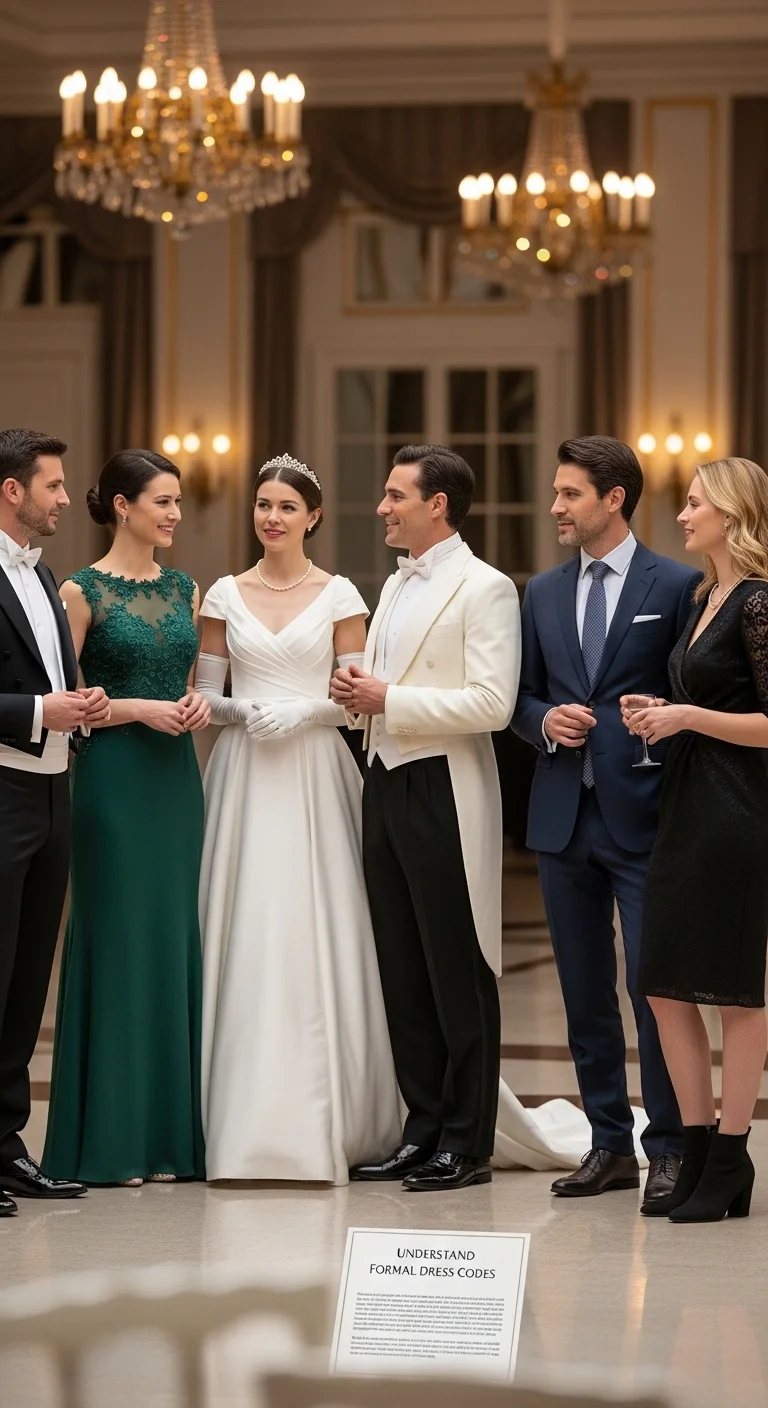
Certain formal events come with specific dress codes that influence cufflink choices.
For black-tie events, classic cufflinks are recommended. Onyx, mother-of-pearl, or simple metal studs are considered traditional options.
For business formal attire, understated silver or gold cufflinks usually work best.
For semi-formal occasions, cufflinks can include subtle color or design elements without appearing too casual.
Understanding the dress code helps ensure your cufflinks match the overall tone of the event.
Quality Matters More Than Quantity
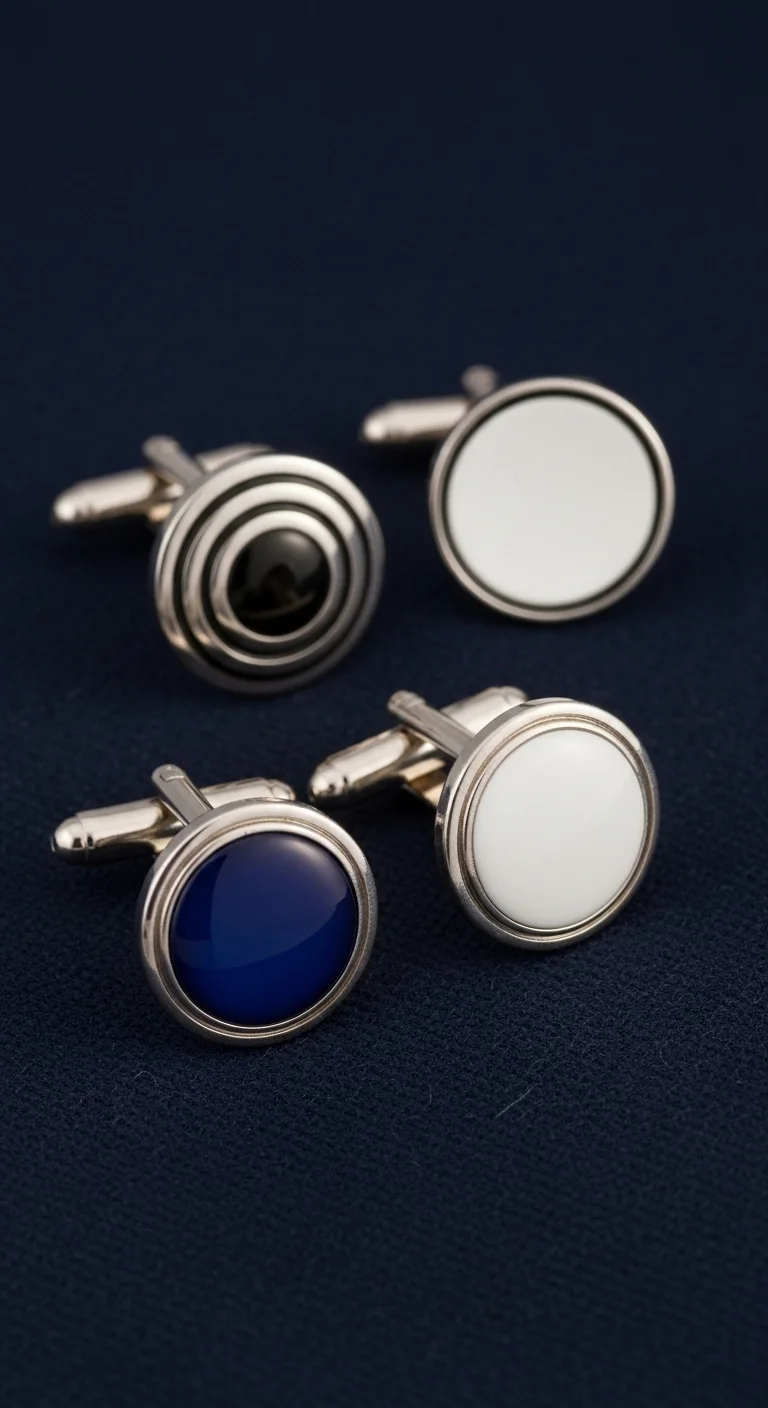
While cufflinks are available in many price ranges, quality should always be considered when making a purchase.
Well-made cufflinks use durable materials and sturdy mechanisms that stay secure throughout the day. Cheaper cufflinks may loosen easily or show wear quickly.
Investing in a few high-quality pairs is usually better than owning many low-quality ones. A small collection of versatile cufflinks can serve you well for years.
Start With a Versatile Collection
If you are new to cufflinks, starting with a small collection is a smart approach. A simple set of silver cufflinks is one of the most versatile options. They work well with business attire, formal wear, and even some semi-casual outfits.
Adding a pair of classic black or onyx cufflinks can cover more formal occasions. Finally, including one pair with a subtle design or color allows you to experiment with personal style. With just three or four pairs, you can handle most situations confidently.
Caring for Your Cufflinks
Proper care helps keep cufflinks looking polished and elegant. After wearing them, it is helpful to wipe cufflinks with a soft cloth to remove fingerprints and oils. Storing them in a small jewelry box or organizer prevents scratches and keeps pairs together.
Silver cufflinks may require occasional polishing to maintain their shine. Gold and stainless steel typically require minimal maintenance. Taking care of your cufflinks ensures they remain stylish accessories for many years.
Common Mistakes to Avoid
Even though cufflinks are simple accessories, a few common mistakes can affect the overall look. One mistake is wearing overly flashy cufflinks in professional environments. Large novelty designs may appear unprofessional in formal workplaces.
Another mistake is mismatching metals. Wearing gold cufflinks with silver accessories can sometimes disrupt the visual balance of an outfit.
Finally, some men choose cufflinks that are too loose or poorly made. A secure mechanism ensures the cuff stays neatly in place. Avoiding these mistakes helps maintain a polished appearance.
Final Thoughts
Cufflinks may be small accessories, but they carry a powerful impact on a man’s style. The right pair adds elegance, personality, and attention to detail that instantly elevates an outfit.
Choosing cufflinks becomes much easier when you consider a few key factors: shirt compatibility, occasion, material, design, and coordination with other accessories.
By focusing on quality and selecting styles that suit your personality, you can build a cufflink collection that works for both formal and everyday situations.
Whether you prefer classic silver designs, luxurious gold pieces, or unique novelty styles, cufflinks offer an excellent opportunity to refine your wardrobe and express your personal taste.
With the right knowledge and a thoughtful approach, cufflinks can become one of the most stylish and versatile accessories in your wardrobe.
