Dressing for Your Body Type: The Complete Guide for Men

Fashion isn’t about blindly following trends—it’s about understanding what works best for your unique physique. The most stylish men aren’t necessarily the ones wearing the most expensive clothes; they’re the ones who know how to dress for their body type.
When you wear clothing that complements your build, you instantly look more confident, balanced, and put-together. On the other hand, even the trendiest outfit can look awkward if it doesn’t suit your proportions.
The good news? Dressing for your body type isn’t complicated. Once you understand your shape and learn a few styling principles, choosing flattering outfits becomes much easier.
In this guide, you’ll learn how to identify your body type and discover the best clothing choices to enhance your strengths and create a balanced appearance.
Why Dressing for Your Body Type Matters
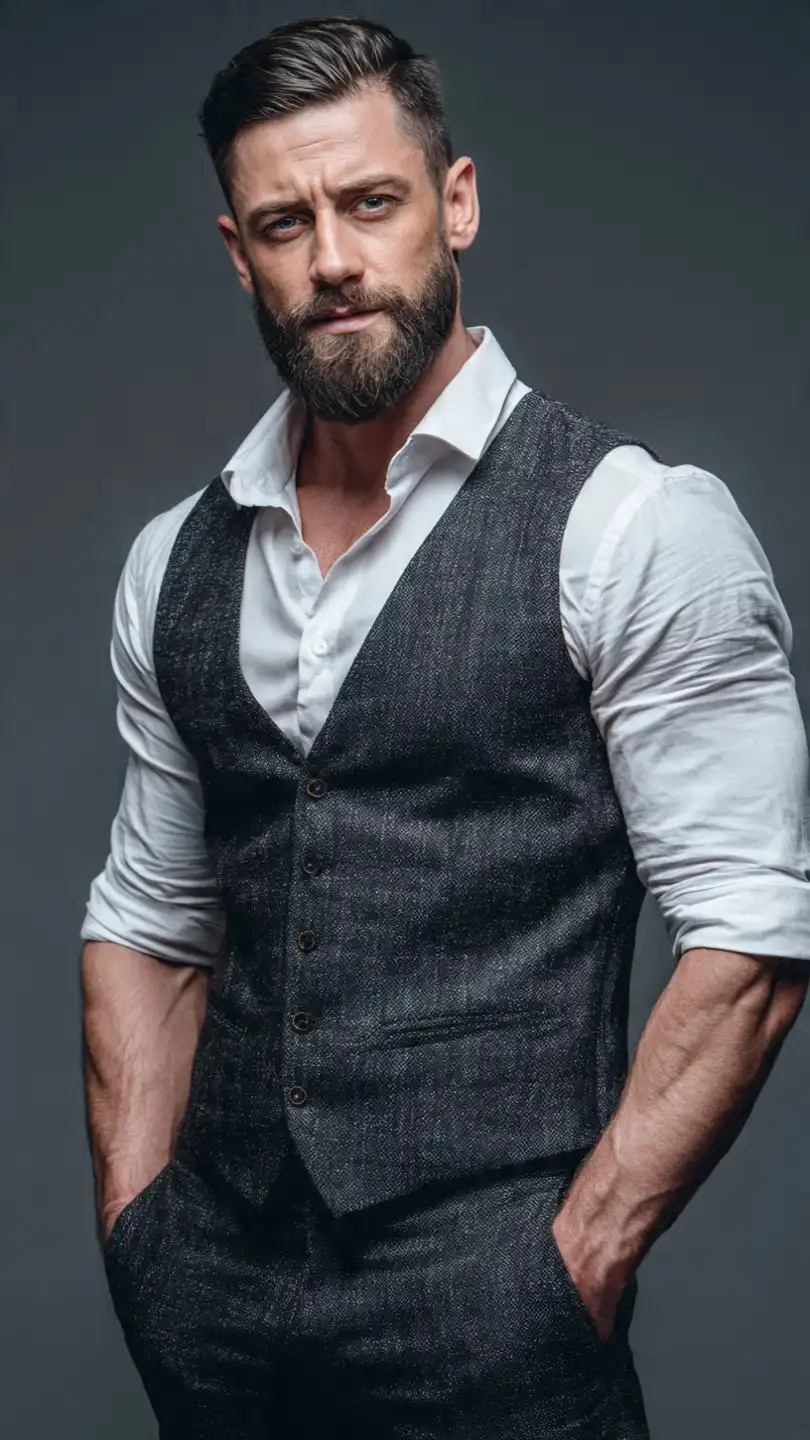
Every man’s body is different. Some have broad shoulders, others have a fuller midsection, and some are naturally lean and tall.
Clothing creates visual effects. The right pieces can:
- Make you appear taller
- Create broader shoulders
- Slim down your silhouette
- Balance your proportions
- Highlight your best features
Instead of trying to change your body, use clothing strategically to present it in the most flattering way possible.
How to Determine Your Body Type
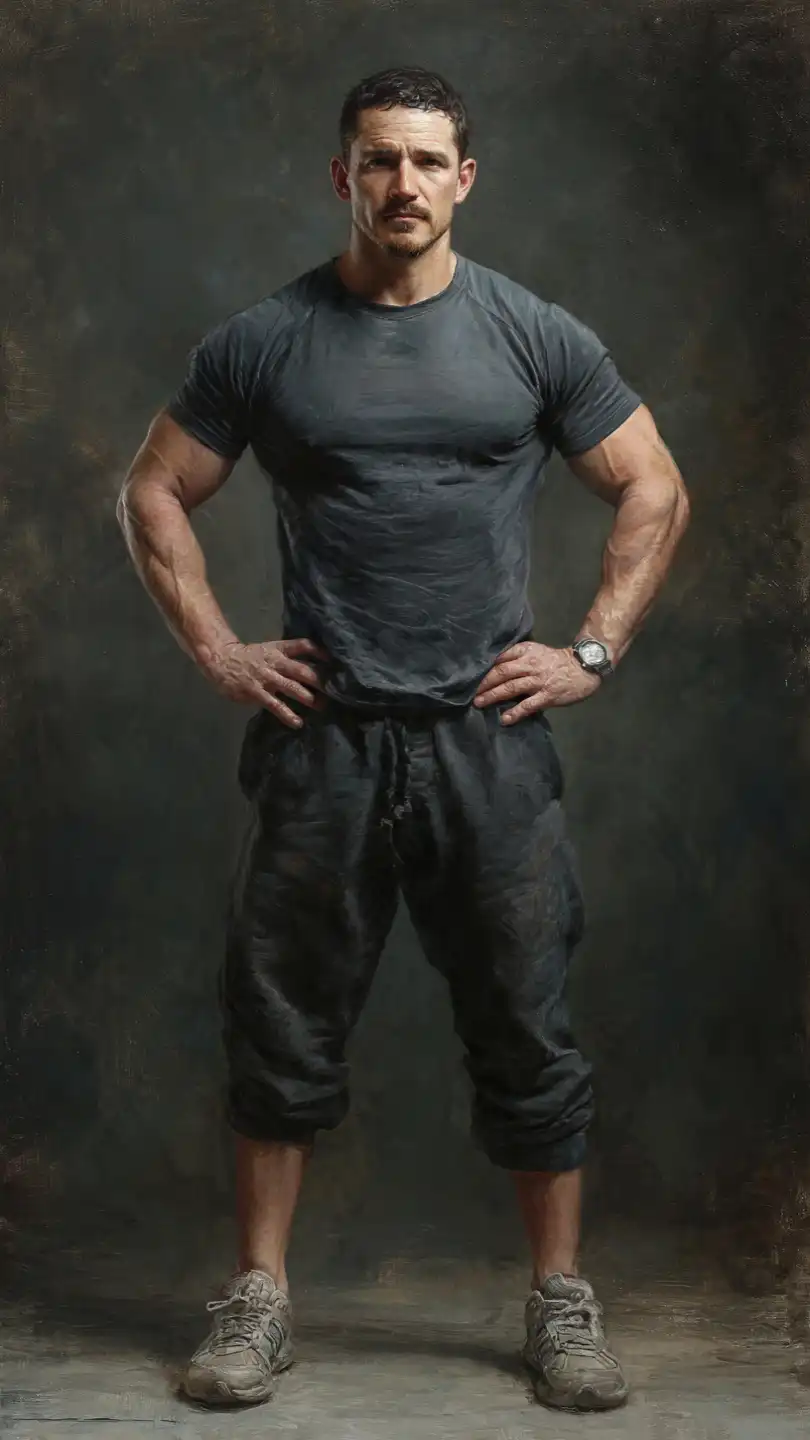
Before building your wardrobe, take an honest look at your proportions.
Pay attention to:
- Shoulder width
- Chest size
- Waist measurement
- Hip width
- Height
- Overall frame size
Most men generally fall into one of these common body categories:
- Rectangle
- Triangle
- Inverted Triangle
- Oval
- Trapezoid
Let’s explore each one in detail.
The Rectangle Body Type
Characteristics
Men with a rectangle body shape have shoulders, waist, and hips that are relatively similar in width.
Common traits include:
- Straight torso
- Lean frame
- Minimal waist definition
- Balanced proportions
Style Goal
The objective is to create the illusion of broader shoulders and a more defined upper body.
Best Clothing Choices
Structured Jackets
Blazers with padded shoulders help add width and create a stronger silhouette.
Look for:
- Structured shoulders
- Slim but not tight fit
- Single-breasted styles
Layering
Layering adds dimension and visual interest.
Try:
- T-shirts under overshirts
- Lightweight sweaters over shirts
- Jackets over casual outfits
Horizontal Details
Patterns and design elements across the chest help widen the upper body.
Examples include:
- Breton stripes
- Chest pockets
- Textured knitwear
Slim-Fit Trousers
Well-fitted pants maintain balance without making your legs appear too skinny.
Avoid
- Extremely oversized clothing
- Skinny-fit everything
- Long, shapeless tops
The Triangle Body Type
Characteristics
Triangle-shaped men carry more width around the waist and hips than the shoulders.
Common features:
- Narrow shoulders
- Fuller midsection
- Wider hips
- Softer body lines
Style Goal
Create visual width in the upper body while minimizing attention to the lower half.
Best Clothing Choices
Structured Outerwear
Jackets and coats with strong shoulders are ideal.
Good options:
- Blazers
- Bomber jackets
- Harrington jackets
- Structured coats
Dark Bottoms
Darker trousers help reduce visual emphasis on the hips and thighs.
Choose:
- Navy
- Charcoal
- Black
- Dark olive
Vertical Patterns
Vertical stripes help elongate the body and create a slimming effect.
Well-Fitted Shirts
Avoid shirts that cling to the stomach.
Instead, choose:
- Tailored fits
- Slightly relaxed cuts
- Clean lines
Avoid
- Tight shirts
- Bright-colored pants
- Large pockets around the hips
- Low-rise trousers
The Inverted Triangle Body Type
Characteristics
This is often considered the classic athletic build.
Features include:
- Broad shoulders
- Wide chest
- Narrow waist
- Lean hips
Style Goal
Maintain balance and avoid making the upper body look disproportionately large.
Best Clothing Choices
Simple Tops
Keep the focus balanced with clean, streamlined shirts.
Ideal choices:
- Solid colors
- Polo shirts
- Henleys
- Crew-neck T-shirts
Straight-Leg Pants
Straight-leg trousers add volume to the lower body and create proportion.
Layering with Care
Light layers work well without adding excessive bulk to the chest.
Textured Bottoms
Pants with texture or subtle patterns help balance broad shoulders.
Avoid
- Excessive shoulder padding
- Large chest pockets
- Oversized lapels
- Very skinny jeans
The Oval Body Type
Characteristics
Men with an oval body shape carry more weight around the midsection.
Common traits:
- Fuller stomach
- Rounded torso
- Narrow shoulders
- Slimmer legs
Style Goal
Create a longer, leaner silhouette while drawing attention upward.
Best Clothing Choices
Monochromatic Outfits
Wearing similar colors from top to bottom creates a streamlined appearance.
Vertical Elements
These help elongate the body.
Examples:
- Vertical stripes
- Open jackets
- Long cardigans
Proper Fit
Clothing should skim the body rather than cling or hang excessively loose.
V-Neck Shirts
V-necks help create the illusion of a longer neck and leaner upper body.
Best Jacket Styles
Consider:
- Single-breasted blazers
- Lightweight sport coats
- Structured casual jackets
Avoid
- Tight clothing
- Baggy clothing
- Thick horizontal stripes
- Bulky fabrics
The Trapezoid Body Type
Characteristics
The trapezoid is often considered the most naturally balanced male body shape.
Features include:
- Broad shoulders
- Defined chest
- Slightly narrower waist
- Proportionate frame
Style Goal
Maintain balance while enhancing natural proportions.
Best Clothing Choices
Fortunately, most styles work well on this body type.
Consider:
- Tailored shirts
- Slim-fit trousers
- Blazers
- Knitwear
- Casual jackets
Experiment with Trends
Because proportions are already balanced, trapezoid-shaped men can explore different fashion styles more easily.
Avoid
- Excessively oversized clothing
- Extremely tight fits
- Poor tailoring
Choosing the Right Fit
Regardless of body type, fit matters more than brand names or trends.
Shirts
A good shirt should:
- Sit comfortably on the shoulders
- Allow easy movement
- Follow the body’s shape
- Not pull at buttons
Trousers
Well-fitted pants should:
- Sit comfortably at the waist
- Have minimal excess fabric
- Break neatly at the shoe
Jackets
The shoulder seam should align with your natural shoulder edge.
Sleeves should end near the wrist bone.
Colors and Body Proportions
Color can dramatically affect how your body appears.
Dark Colors
Dark shades create a slimming effect.
Popular choices include:
- Black
- Navy
- Charcoal
- Deep green
Light Colors
Lighter shades draw attention and add visual volume.
Use them strategically on areas you’d like to emphasize.
Color Balancing
A simple rule:
- Highlight strengths with lighter colors.
- Minimize areas with darker colors.
For example:
A triangle body type may wear a lighter jacket and darker trousers to balance proportions.
Patterns and Their Effects
Patterns influence how people perceive your shape.
Vertical Stripes
Benefits:
- Lengthen the body
- Create a slimmer appearance
- Add elegance
Horizontal Stripes
Benefits:
- Add visual width
- Emphasize the chest
- Enhance a slim frame
Large Patterns
Draw attention and increase visual volume.
Small Patterns
Appear more subtle and refined.
Choose pattern size based on your body type and desired effect.
Common Dressing Mistakes
Wearing Clothes That Are Too Tight
Tight clothing highlights every contour and often creates an unflattering appearance.
Wearing Clothes That Are Too Loose
Many men think baggy clothes hide imperfections.
In reality, they often make the body appear larger.
Ignoring Tailoring
Even affordable clothing can look expensive when properly tailored.
A small adjustment can transform an average outfit into a polished one.
Following Every Trend
Not every fashion trend suits every body type.
Choose trends that complement your shape rather than copying everything you see online.
Footwear and Body Proportion
Shoes can also affect your overall appearance.
Taller Men
Can wear:
- Chunky boots
- High-top sneakers
- Statement footwear
Shorter Men
Benefit from:
- Sleeker shoes
- Low-profile sneakers
- Monochromatic footwear
Avoid shoes that visually shorten the leg line.
Accessories That Enhance Your Look
Accessories can help direct attention strategically.
Watches
A well-sized watch complements your frame.
Scarves
Add visual interest to the upper body.
Sunglasses
Help draw attention toward the face.
Belts
Create structure and define the waistline.
Choose accessory sizes that match your overall build.
Confidence Is the Best Style Tool
Understanding your body type isn’t about limiting your fashion choices. It’s about making smarter decisions that help you look and feel your best.
The most stylish men know their proportions, choose clothing that flatters their shape, and wear it with confidence.
Remember that fashion should enhance who you are—not hide you.
Once you learn how to dress for your body type, you’ll spend less time worrying about what to wear and more time enjoying the confidence that comes with looking your best.
Final Thoughts
Dressing for your body type is one of the most effective ways to improve your appearance without drastically changing your wardrobe.
Whether you have a rectangle, triangle, inverted triangle, oval, or trapezoid shape, understanding your proportions allows you to select clothing that creates balance and highlights your strengths.
Focus on fit first, use color and patterns strategically, and don’t underestimate the power of tailoring. With these principles in mind, you’ll be able to build a wardrobe that works with your body instead of against it.
Fashion isn’t about achieving perfection—it’s about presenting the best version of yourself every day.
