
Casual vs Smart Casual: What’s the Difference?

Fashion dress codes can feel confusing, especially when terms like “casual” and “smart casual” are used interchangeably. While both styles focus on comfort and personal expression, they serve different purposes and create very different impressions.
Understanding the difference between casual and smart casual helps men dress appropriately for every situation—whether it’s a weekend outing, office lunch, dinner date, or semi-formal event. The right outfit not only improves appearance but also boosts confidence and leaves a strong impression.
In this guide, we’ll break down the meaning of casual and smart casual, compare their key differences, explain when to wear each style, and share outfit ideas that make dressing easier.
👔 Casual vs Smart Casual Challenge
Build an outfit and see whether your style leans relaxed casual or polished smart casual. Mix the right pieces to win style points.
What Is Casual Style?
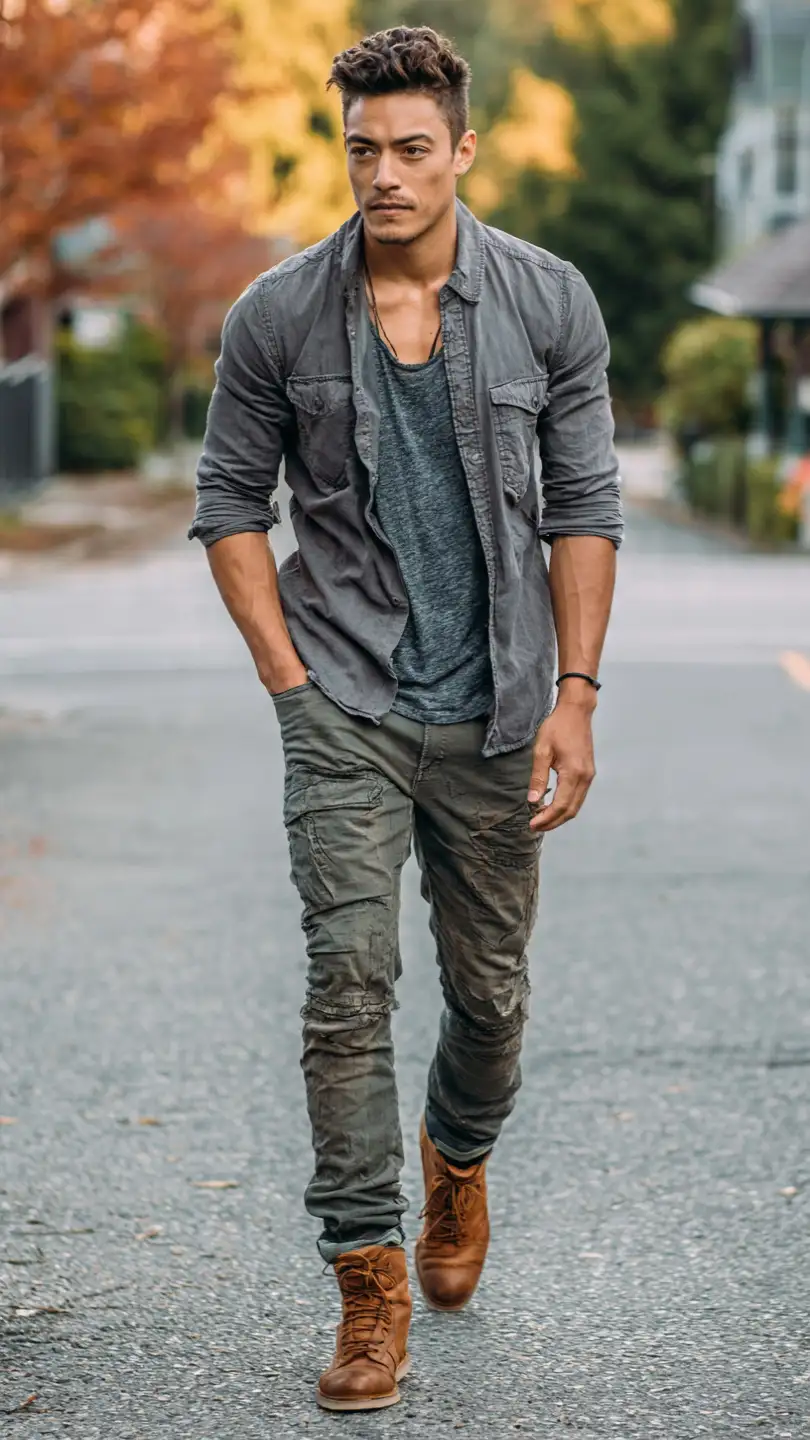
Casual style is relaxed, comfortable, and effortless. It focuses more on practicality and personal comfort than polished appearance. Casual clothing is designed for everyday life and informal settings where there are no strict dress expectations.
Casual fashion allows more freedom with colors, fabrics, sneakers, graphic tees, hoodies, distressed jeans, and other laid-back pieces.
Key Features of Casual Style
Comfort Comes First
Casual outfits prioritize ease of movement and relaxed fits. Soft fabrics like cotton, jersey, and denim are commonly used.
Relaxed Appearance
Casual wear doesn’t aim to look overly polished or formal. Wrinkles, oversized silhouettes, and sporty elements are more acceptable.
Personal Expression
This style gives room to experiment with trends, graphics, sneakers, hats, and unique accessories.
Minimal Rules
Unlike formal dress codes, casual fashion has very few restrictions.
Common Casual Clothing Pieces
Here are staple items typically found in casual outfits:
- T-shirts
- Polo shirts
- Hoodies
- Sweatshirts
- Joggers
- Jeans
- Cargo pants
- Shorts
- Sneakers
- Sandals
- Baseball caps
These pieces create easy everyday outfits suitable for hanging out, shopping, traveling, or relaxing.
What Is Smart Casual Style?
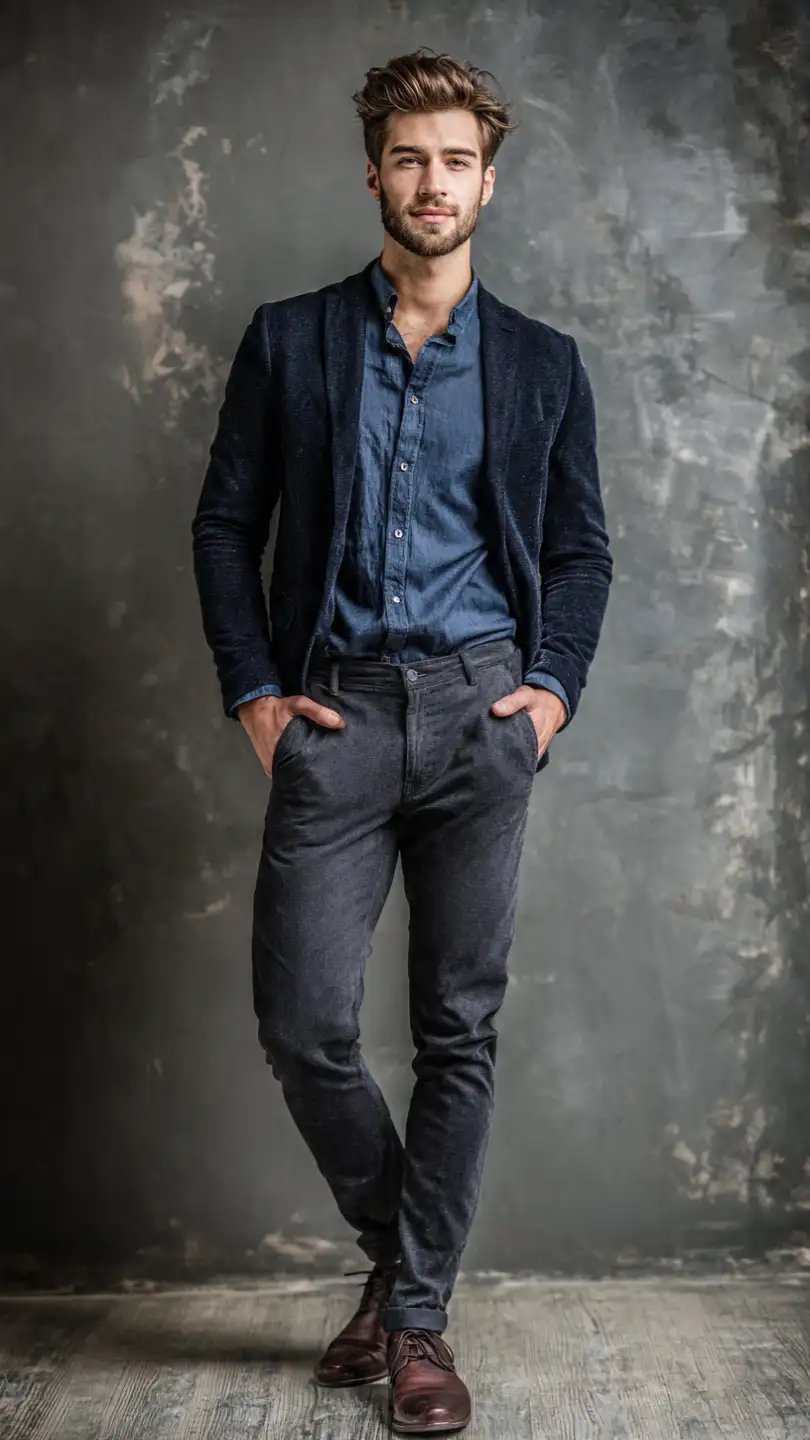
Smart casual is a blend of polished and relaxed fashion. It combines the comfort of casual clothing with the refined appearance of formalwear.
Think of smart casual as dressing neatly and intentionally without wearing a full suit. The goal is to look sophisticated while still feeling comfortable.
Smart casual outfits are commonly worn in modern workplaces, dinners, social events, business-casual offices, and date nights.
Key Features of Smart Casual Style
Clean and Polished
Clothing should fit properly and appear neat. Smart casual avoids clothing that looks sloppy or overly sporty.
Balanced Combination
Smart casual mixes refined pieces with relaxed items. For example:
- Blazer with dark jeans
- Polo shirt with chinos
- Loafers with tailored trousers
Neutral and Coordinated Colors
Smart casual outfits often use cleaner color palettes like navy, white, black, beige, olive, and gray.
Elevated Footwear
Shoes play a major role in smart casual dressing. Leather sneakers, loafers, Chelsea boots, and derby shoes are common choices.
Common Smart Casual Clothing Pieces
Typical smart casual wardrobe essentials include:
- Oxford shirts
- Polo shirts
- Chinos
- Tailored trousers
- Dark jeans
- Blazers
- Lightweight jackets
- Knit sweaters
- Loafers
- Leather sneakers
- Chelsea boots
These pieces create a refined appearance without feeling overdressed.
Casual vs Smart Casual: The Main Differences
Casual vs Smart Casual
Learn the difference between relaxed everyday style and polished modern dressing so you can build a more versatile wardrobe.
Relaxed Everyday Comfort
Casual style prioritizes comfort, loose fits, and effortless wear designed for everyday activities and laid-back environments.
Polished Yet Comfortable
Smart casual combines refined tailoring with relaxed pieces to create a stylish appearance without feeling overly formal.
Choosing the Right Look
Understanding both dress codes helps men build a versatile, confident wardrobe suitable for casual outings, dinners, offices, and social events.
Although both styles are less formal than business wear, they differ greatly in structure, polish, and intention.
| Feature | Casual | Smart Casual |
|---|---|---|
| Appearance | Relaxed | Polished but relaxed |
| Fit | Loose or relaxed | Tailored and neat |
| Footwear | Sneakers, sandals | Loafers, leather sneakers |
| Tops | T-shirts, hoodies | Polo shirts, button-downs |
| Bottoms | Joggers, ripped jeans | Chinos, dark jeans |
| Purpose | Comfort and leisure | Stylish and presentable |
| Occasions | Everyday wear | Social and semi-formal settings |
| Accessories | Minimal or sporty | Refined and coordinated |
When to Wear Casual Outfits
Casual outfits work best in relaxed environments where comfort matters most.
Weekend Errands
Jeans, sneakers, and a basic tee are perfect for everyday activities.
Traveling
Comfortable clothing makes long journeys easier.
Hanging Out With Friends
Casual fashion creates an approachable and laid-back appearance.
Outdoor Activities
Picnics, walks, and sporting events usually call for relaxed clothing.
Relaxing at Home
Sweatshirts, joggers, and hoodies fit perfectly in casual settings.
When to Wear Smart Casual Outfits
Smart casual works best when you need to look polished without appearing overly formal.
Dinner Dates
A fitted polo with chinos creates an attractive and confident look.
Office Environments
Many modern workplaces prefer smart casual dress codes.
Networking Events
Smart casual helps you appear professional and approachable.
Family Gatherings
You look refined without seeming overdressed.
Casual Weddings or Parties
Smart casual often fits semi-formal celebrations perfectly.
The Psychology Behind Casual and Smart Casual
Clothing affects how people perceive you. The difference between casual and smart casual isn’t just visual—it also influences confidence, professionalism, and first impressions.
Casual Communicates Relaxation
Casual clothing gives off a friendly, easygoing vibe. It suggests comfort and informality.
Smart Casual Shows Effort
Smart casual indicates self-awareness and attention to detail. It often creates impressions of maturity, reliability, and confidence.
This is why smart casual is commonly recommended for first dates, interviews at creative workplaces, and social events.
How to Build a Casual Wardrobe
Creating a strong casual wardrobe is simple when you focus on versatile basics.
Essential Casual Items
Basic T-Shirts
Choose neutral colors like white, black, gray, and navy.
Comfortable Jeans
Slim or straight-fit denim works best for everyday wear.
Hoodies and Sweatshirts
Perfect for layering during colder months.
Sneakers
White sneakers remain one of the most versatile casual shoes.
Joggers
Ideal for comfort-focused outfits.
Casual Outfit Ideas for Men
Simple Everyday Look
- White T-shirt
- Blue jeans
- White sneakers
Streetwear-Inspired Outfit
- Oversized hoodie
- Cargo pants
- Chunky sneakers
Summer Casual Style
- Polo shirt
- Shorts
- Canvas sneakers
Winter Casual Outfit
- Sweatshirt
- Dark jeans
- Boots
How to Build a Smart Casual Wardrobe
Smart casual style works best when your wardrobe includes timeless, versatile pieces.
Essential Smart Casual Items
Chinos
Chinos are one of the foundations of smart casual dressing.
Oxford Shirts
These instantly make outfits look more polished.
Dark Jeans
Dark denim appears cleaner and more refined than distressed jeans.
Blazers
A structured blazer elevates almost any outfit.
Leather Sneakers
They provide comfort while still looking sophisticated.
Knitwear
Sweaters and cardigans add texture and elegance.
Smart Casual Outfit Ideas for Men
Smart Casual Office Look
- Light blue Oxford shirt
- Navy chinos
- Brown loafers
Date Night Outfit
- Black polo shirt
- Slim-fit trousers
- Chelsea boots
Smart Weekend Style
- White sneakers
- Beige chinos
- Lightweight overshirt
Layered Smart Casual Outfit
- Turtleneck sweater
- Wool blazer
- Dark jeans
Can Jeans Be Smart Casual?
Yes, jeans can absolutely work in smart casual outfits—but not all jeans qualify.
Best Jeans for Smart Casual
Choose:
- Dark wash denim
- Slim or straight fit
- Minimal distressing
- Clean hems
Avoid:
- Ripped jeans
- Baggy fits
- Heavy fading
- Excessively distressed styles
Dark jeans paired with loafers and a button-down shirt create an excellent smart casual look.
Can Sneakers Be Smart Casual?
Sneakers can be smart casual if they are clean, minimal, and structured.
Smart Casual Sneakers
Good options include:
- White leather sneakers
- Minimal low-top sneakers
- Neutral-colored shoes
Avoid:
- Running shoes
- Bulky athletic sneakers
- Dirty or worn-out footwear
Shoes often determine whether an outfit looks casual or smart casual.
Common Mistakes Men Make
Wearing Athletic Clothing as Smart Casual
Gym wear rarely fits smart casual dress codes.
Ignoring Fit
Even expensive clothing looks sloppy if it doesn’t fit properly.
Overdoing Accessories
Minimal accessories usually work best.
Mixing Too Many Styles
Avoid combining formalwear with extremely casual pieces.
Wearing Wrinkled Clothing
Smart casual requires neatness and attention to detail.
Casual vs Smart Casual in Different Seasons
Spring
- Casual: T-shirts and light denim
- Smart casual: Overshirts and chinos
Summer
- Casual: Shorts and sandals
- Smart casual: Linen shirts and loafers
Fall
- Casual: Hoodies and sneakers
- Smart casual: Knitwear and boots
Winter
- Casual: Puffer jackets and joggers
- Smart casual: Wool coats and Chelsea boots
How Grooming Impacts Both Styles
No outfit looks complete without proper grooming.
Casual Grooming
Relaxed hairstyles and natural grooming work well.
Smart Casual Grooming
Neat haircuts, trimmed facial hair, and clean shoes enhance the polished appearance.
Good grooming can instantly elevate even simple outfits.
Smart Casual vs Business Casual
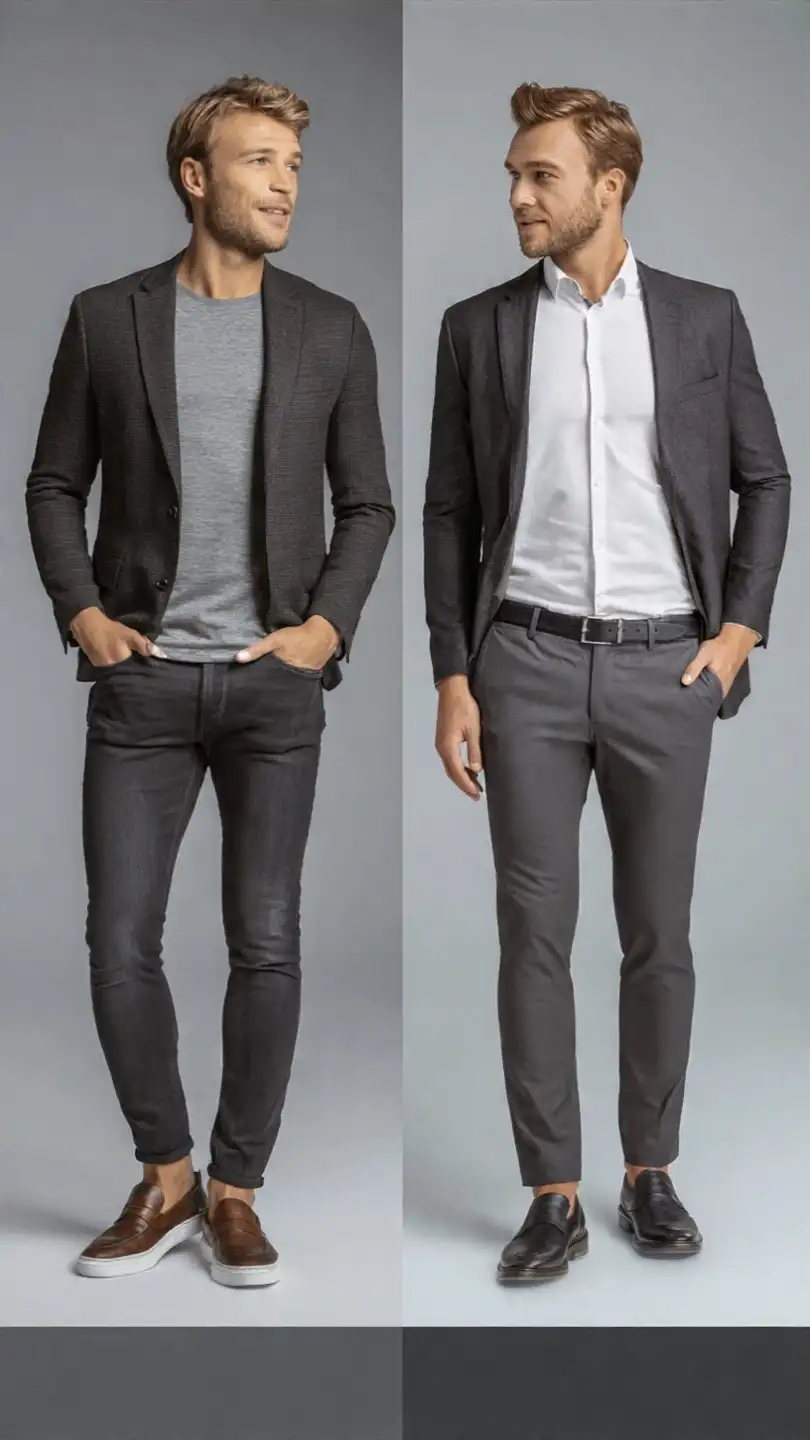
Many men also confuse smart casual with business casual.
Smart Casual
- More relaxed
- Allows stylish experimentation
- Sneakers may be acceptable
Business Casual
- More professional
- Focuses on workplace appropriateness
- Usually avoids casual sneakers
Smart casual sits between casual wear and business casual.
Why Smart Casual Has Become So Popular
Modern fashion trends increasingly prioritize flexibility and comfort. Traditional suits are no longer required in many workplaces and social settings.
Smart casual has become popular because it:
- Feels comfortable
- Looks modern
- Works in multiple situations
- Allows personal style
- Balances professionalism and relaxation
This versatility makes smart casual one of the most practical dress codes today.
Tips for Transitioning From Casual to Smart Casual
If your wardrobe is mostly casual, upgrading to smart casual is easier than you think.
Start With Better Shoes
Replace athletic sneakers with leather sneakers or loafers.
Upgrade Your Tops
Swap graphic tees for polos or button-down shirts.
Focus on Fit
Tailored clothing instantly improves appearance.
Choose Neutral Colors
Neutral tones create a cleaner and more mature style.
Add Layers
Blazers, overshirts, and knitwear elevate outfits quickly.
Final Thoughts
The difference between casual and smart casual comes down to polish, structure, and intention.
Casual style focuses on comfort, relaxation, and freedom, making it ideal for everyday activities and laid-back settings.
Smart casual, on the other hand, blends comfort with sophistication, helping men look stylish, confident, and well put together without being overly formal.
Understanding these dress codes allows you to dress appropriately for every occasion while building a wardrobe that feels both functional and fashionable.
Whether you prefer relaxed streetwear or refined smart casual outfits, the key is wearing clothing that fits well, suits the occasion, and reflects your personal style.
