
Fast Fashion vs Sustainable Fashion: What You Need to Know

Fashion is more than just clothing. It reflects personal style, culture, and even values. However, the way clothes are produced has become a major topic of discussion in recent years. As consumers become more aware of environmental and social issues, the debate between fast fashion and sustainable fashion continues to grow.
Understanding the differences between these two approaches to fashion can help you make more informed purchasing decisions.
Whether you’re updating your wardrobe or simply curious about the industry’s impact, this guide explains everything you need to know about fast fashion and sustainable fashion.
What Is Fast Fashion?
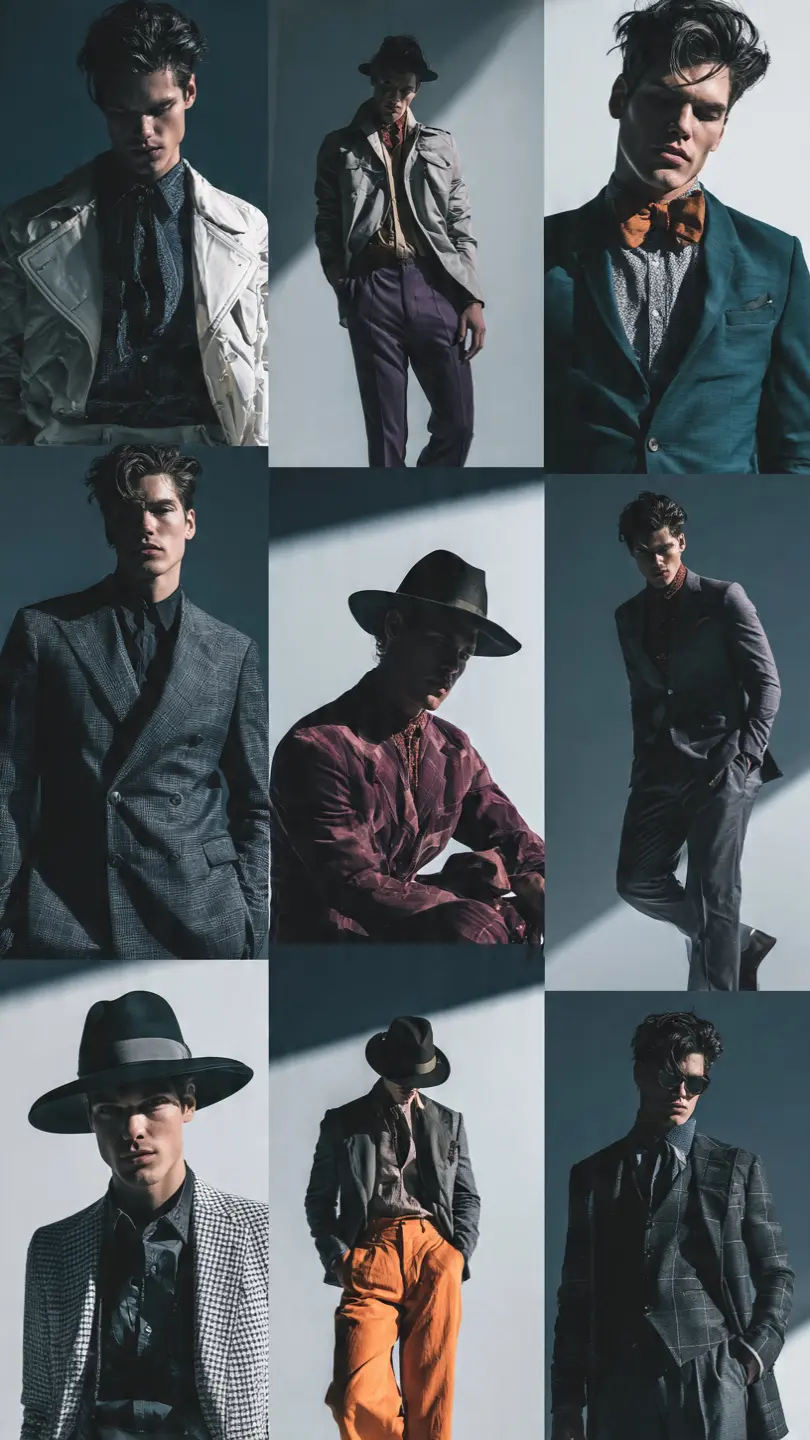
Fast fashion refers to the rapid production of inexpensive clothing designed to follow the latest trends. Brands release new collections frequently, allowing consumers to buy fashionable items at affordable prices.
The fast fashion model focuses on speed and low costs. Designers quickly turn runway trends and celebrity-inspired looks into products available in stores and online within weeks.
Characteristics of Fast Fashion
- Low-cost clothing
- Frequent release of new collections
- Trend-focused designs
- Mass production
- Short product life cycles
- Encourages frequent purchases
Popular fast fashion brands often produce thousands of new styles every year, creating a constant cycle of buying and replacing clothing.
What Is Sustainable Fashion?

Sustainable fashion focuses on reducing the environmental and social impact of clothing production. Instead of prioritizing speed and low prices, sustainable brands aim to create high-quality garments using ethical and environmentally responsible practices.
The goal is to produce clothing that lasts longer while minimizing waste, pollution, and exploitation throughout the supply chain.
Characteristics of Sustainable Fashion
- Ethical manufacturing practices
- Environmentally friendly materials
- Higher-quality garments
- Fair wages for workers
- Reduced waste and pollution
- Long-lasting designs
Sustainable fashion encourages consumers to buy fewer items and choose pieces that can be worn for years rather than just one season.
- Low-cost clothing
- Frequent new collections
- Trend-focused designs
- Mass production
- Short product life cycles
- Encourages frequent buying
- Ethical manufacturing
- Eco-friendly materials
- Higher-quality garments
- Fair wages for workers
- Reduced waste & pollution
- Long-lasting designs
The Environmental Impact of Fast Fashion
One of the biggest criticisms of fast fashion is its effect on the environment.
Excessive Waste
Fast fashion encourages consumers to purchase clothing frequently and discard it quickly. Many garments are worn only a few times before ending up in landfills.
Because trends change rapidly, clothes often become outdated long before they wear out, contributing to massive amounts of textile waste.
Water Consumption
Producing clothing requires enormous amounts of water. Cotton cultivation, fabric dyeing, and garment manufacturing all consume significant resources.
The demand for cheap clothing leads to increased production, placing greater pressure on water supplies around the world.
Pollution
Textile production creates air and water pollution. Synthetic fabrics such as polyester shed microplastics during washing, which eventually enter rivers, lakes, and oceans.
Chemical dyes and finishing treatments can also contaminate water systems when not managed responsibly.
Carbon Emissions
Fast fashion relies on global supply chains involving manufacturing, shipping, packaging, and distribution. These activities generate substantial greenhouse gas emissions that contribute to climate change.
The Environmental Benefits of Sustainable Fashion
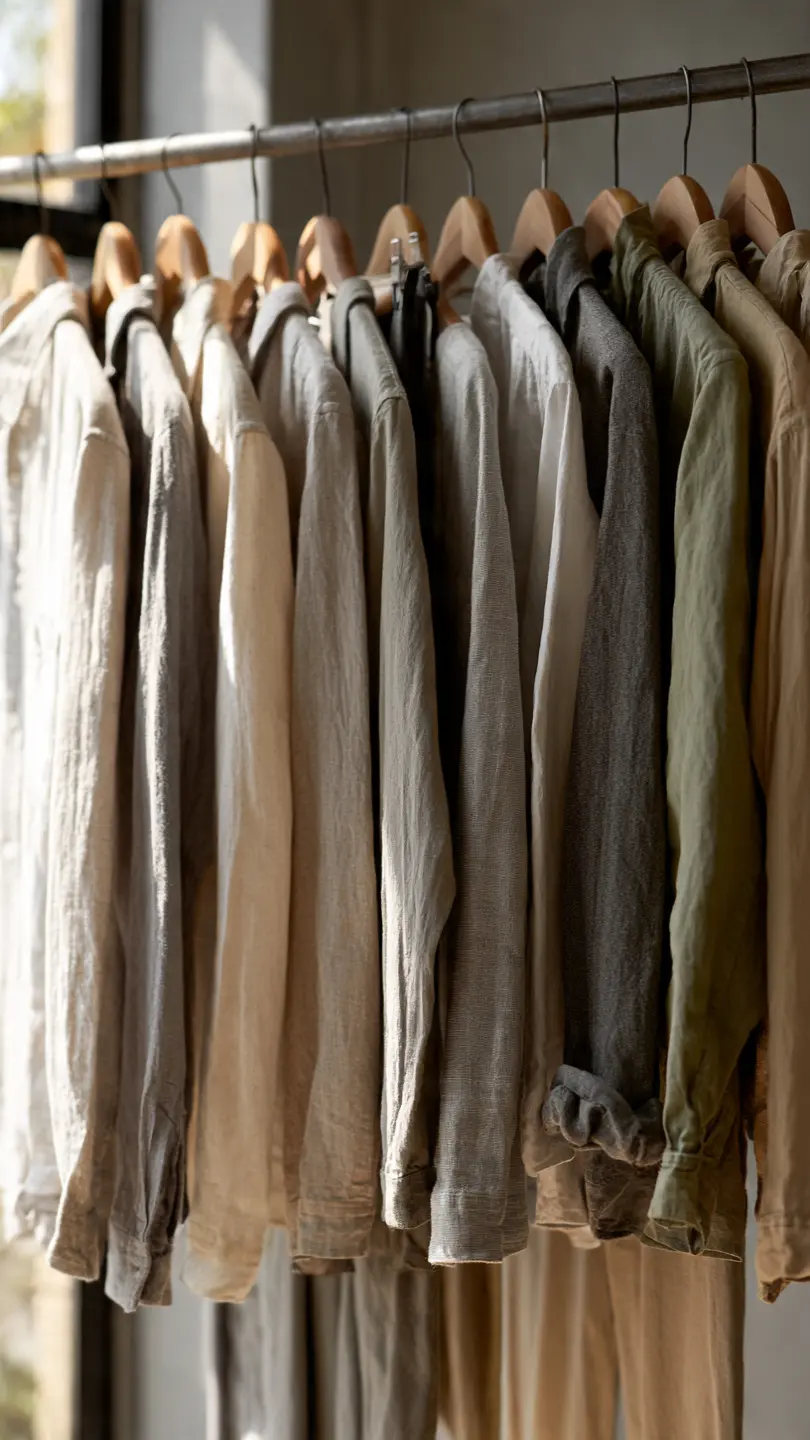
Sustainable fashion aims to address many of these environmental concerns.
Eco-Friendly Materials
Many sustainable brands use materials such as:
- Organic cotton
- Hemp
- Linen
- TENCEL™ fibers
- Recycled polyester
- Recycled cotton
These materials often require fewer resources and create less environmental damage during production.
Reduced Waste
Sustainable fashion promotes quality over quantity. Brands often produce smaller collections and design garments intended to last longer.
Some companies also recycle fabric scraps and offer clothing repair programs to extend product lifespans.
Lower Carbon Footprint
Many sustainable brands focus on local production, renewable energy, and efficient transportation methods to reduce emissions.
Circular Fashion Practices
Circular fashion aims to keep clothing in use for as long as possible through repairing, reselling, renting, and recycling garments instead of discarding them.
The Human Cost of Fast Fashion
Beyond environmental concerns, fast fashion also raises ethical issues.
Low Wages
To keep prices low, some manufacturers rely on inexpensive labor in developing countries. Workers may receive wages that are insufficient to support a decent standard of living.
Poor Working Conditions
Reports of unsafe factories, long working hours, and inadequate labor protections have brought attention to the darker side of fast fashion production.
Lack of Transparency
Many fast fashion brands have complex supply chains, making it difficult for consumers to know where and how their clothing is produced.
How Sustainable Fashion Supports Ethical Practices
Sustainable fashion places a strong emphasis on people as well as the environment.
Fair Labor Standards
Ethical brands strive to ensure workers receive fair wages and safe working conditions.
Transparency
Many sustainable companies provide information about their factories, materials, and manufacturing processes, allowing consumers to make informed choices.
Community Support
Some sustainable brands partner with local artisans and communities, helping preserve traditional craftsmanship while creating economic opportunities.
Why Fast Fashion Remains Popular
Despite its drawbacks, fast fashion continues to attract millions of consumers worldwide.
Affordability
One of the main reasons people choose fast fashion is price. Trendy clothing is often available at a fraction of the cost of sustainably made alternatives.
Accessibility
Fast fashion brands have a strong online presence and extensive retail networks, making their products widely accessible.
Trend Appeal
Consumers can easily experiment with new styles without making a significant financial commitment.
Convenience
Frequent product launches and easy shopping experiences make fast fashion appealing to busy shoppers.
Challenges Facing Sustainable Fashion
Although sustainable fashion offers many benefits, it also faces several obstacles.
Higher Prices
Ethical labor practices, quality materials, and environmentally responsible production often increase costs. As a result, sustainable clothing tends to be more expensive.
Limited Availability
Depending on location, sustainable brands may not be as accessible as major fast fashion retailers.
Consumer Awareness
Many shoppers are still unfamiliar with sustainability certifications and ethical production practices, making it difficult to identify truly sustainable products.
Greenwashing
Some companies market themselves as environmentally friendly without making meaningful changes. This practice, known as greenwashing, can mislead consumers.
How to Build a More Sustainable Wardrobe
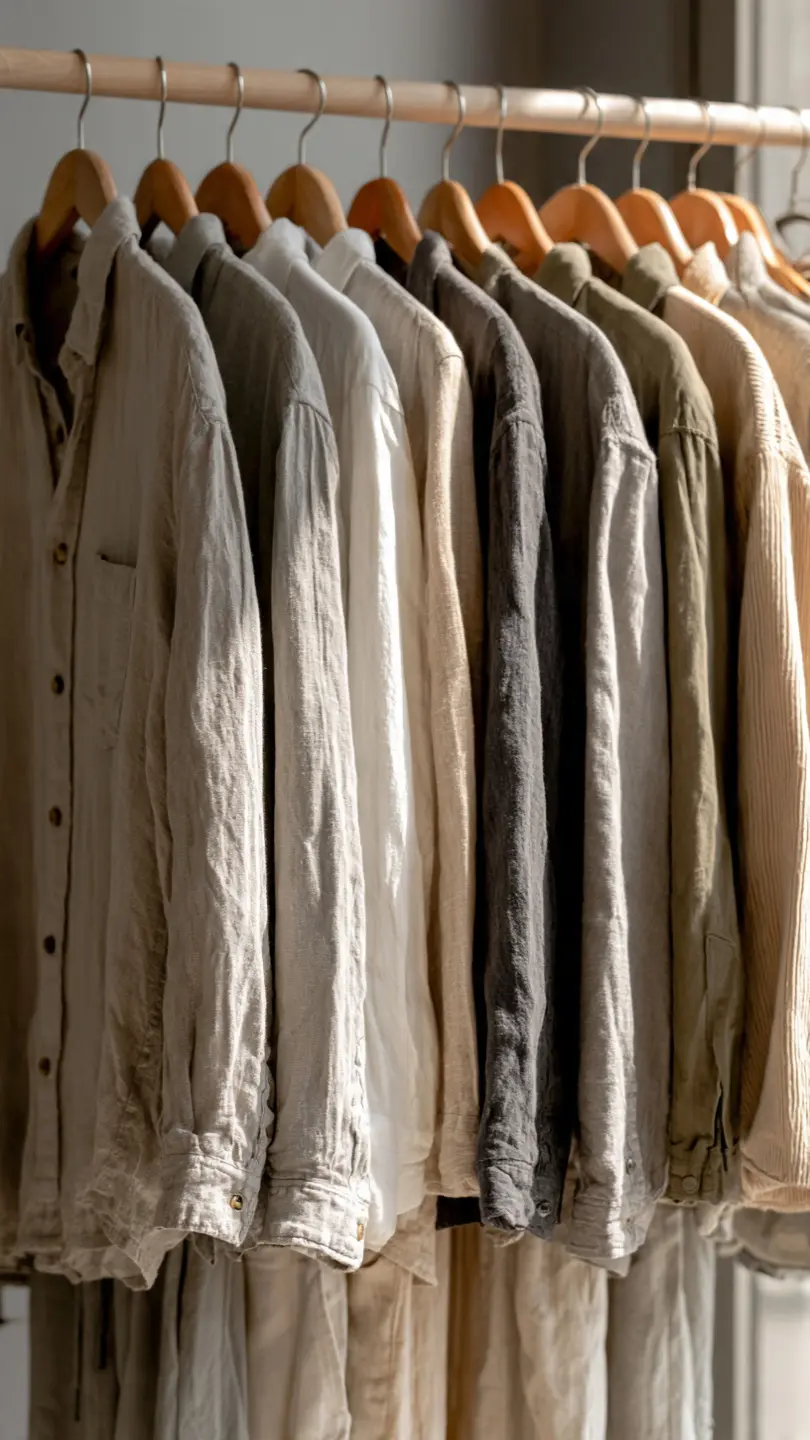
You don’t have to completely eliminate fast fashion from your life to make a positive impact. Small changes can make a significant difference.
Buy Less, Choose Better
Focus on purchasing fewer items that offer better quality and versatility.
Invest in Timeless Pieces
Classic wardrobe staples tend to remain stylish for years, reducing the need for constant replacements.
Check Materials
Look for natural, organic, or recycled fabrics whenever possible.
Support Ethical Brands
Research companies that prioritize fair labor practices and environmental responsibility.
Care for Your Clothes
Proper washing, storage, and repairs can extend the lifespan of garments.
Consider Secondhand Shopping
Thrift stores, vintage shops, and resale platforms give clothing a second life while reducing waste.
Rent for Special Occasions
Instead of purchasing outfits you’ll wear once, consider renting clothing for weddings, parties, and formal events.
Fast Fashion vs Sustainable Fashion: Which Is Better?
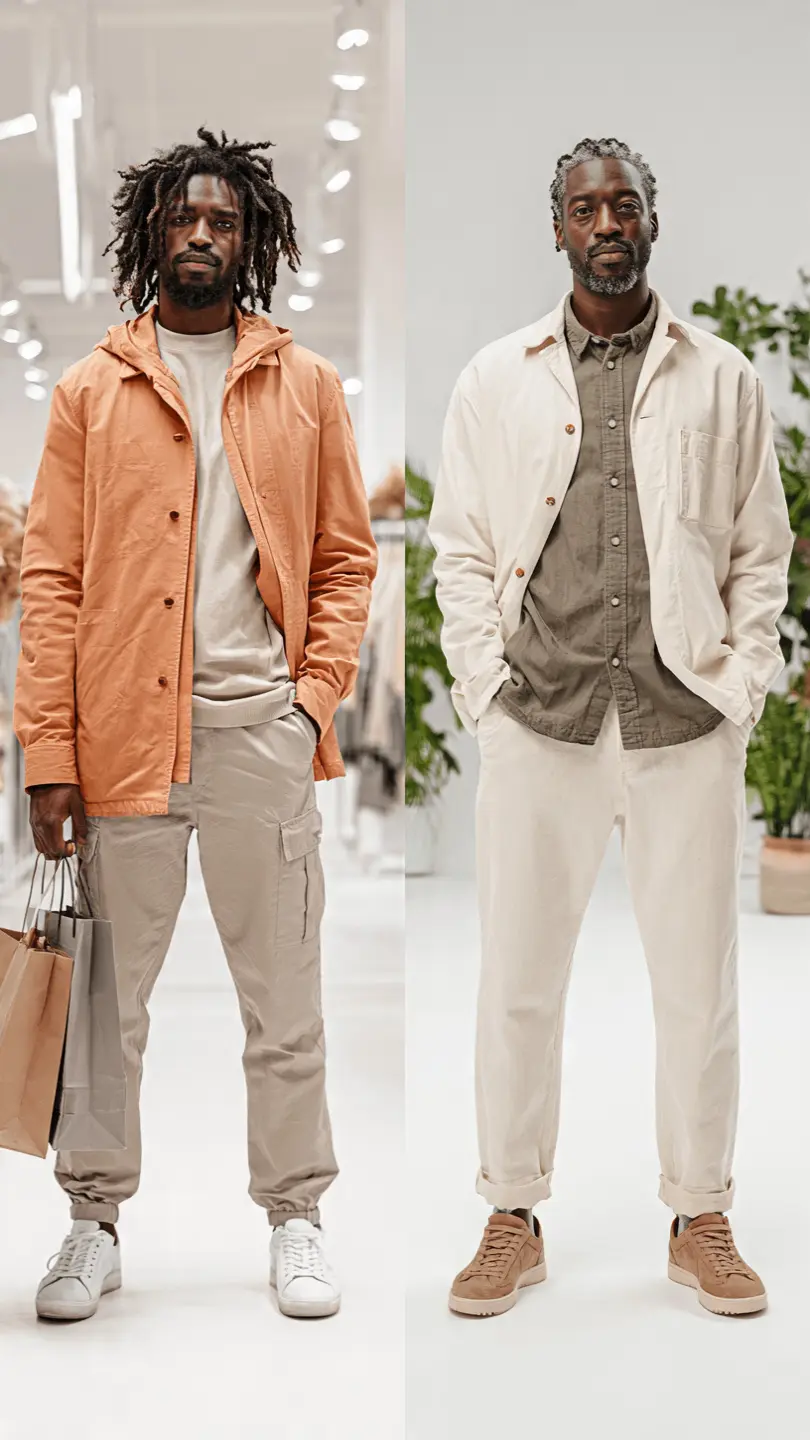
There is no one-size-fits-all answer. Fast fashion offers affordability and convenience, while sustainable fashion promotes environmental responsibility and ethical production.
For many consumers, the best approach is finding a balance. Making thoughtful purchases, choosing quality items, and supporting responsible brands when possible can reduce your fashion footprint without completely changing your lifestyle.
The key is becoming a more conscious consumer. Every purchasing decision sends a message about the type of fashion industry we want to support.
Final Thoughts
The fashion industry is evolving, and consumers play an important role in shaping its future. Fast fashion has made trendy clothing more accessible than ever, but it comes with significant environmental and ethical challenges.
Sustainable fashion offers a more responsible alternative by prioritizing quality, transparency, and long-term impact.
As awareness grows, more people are choosing to think beyond price tags and trends. By understanding the differences between fast fashion and sustainable fashion, you can make smarter choices that align with your values, budget, and lifestyle.
The future of fashion doesn’t necessarily require perfection. Even small steps toward sustainability can contribute to a healthier planet and a fairer industry for everyone.
