
How to Choose a Tie: The Ultimate Guide for Men
A tie might be a small detail, but it makes a big impression. Whether you’re dressing for work, a wedding, or a special night out, these simple tips will help you pick the perfect tie with confidence.
You’re dressed, shoes on, hair done — then you look in the mirror and realize something’s off. The tie. Somehow the one you picked doesn’t feel right. Too bold for the shirt. Too dull for the suit. Suddenly, a simple accessory feels like the hardest decision of the day.
Choosing a tie isn’t just about grabbing a color you like. It’s about balance, proportion, and understanding how small details shape your overall look. The right tie sharpens your outfit and makes you look intentional. The wrong one distracts from everything else you’re wearing.
Once you know a few simple style principles, picking the right tie becomes quick, easy, and surprisingly satisfying.
Understanding Tie Basics

Before diving into styles and combinations, it’s important to understand the basic anatomy and types of ties.
Tie Anatomy
A standard tie has three main parts:
- Blade: The wide end of the tie, which is visible when tied.
- Tail: The narrow end, tucked behind the blade.
- Keeper Loop: A loop on the back to keep the tail in place.
Ties also come in different lengths, widths, and materials. Choosing the right combination can make or break your look.
Common Tie Lengths
- Standard length (57–58 inches): Fits most men of average height.
- Extra-long (62 inches): Ideal for taller men or for tying more complex knots.
- Short (54 inches): Works for shorter men or younger boys.
Tie Widths
- Skinny (2–2.5 inches): Modern, stylish, casual. Best for slim suits.
- Standard (3–3.25 inches): Classic and versatile; works for most occasions.
- Wide (3.5–4 inches): Traditional and formal; pairs well with classic suits.
Choosing the Right Tie Material

The fabric of your tie affects not only its appearance but also its drape, knot, and suitability for different occasions.
Silk
- Pros: Luxurious sheen, smooth texture, versatile, holds knots well.
- Best for: Business, weddings, formal events.
- Tips: Choose solid colors or subtle patterns for work; bold patterns for social events.
Wool
- Pros: Adds texture and warmth, ideal for fall and winter.
- Best for: Casual or semi-formal settings, layered outfits.
- Tips: Pair with tweed or heavier fabrics for a classic autumn look.
Cotton
- Pros: Lightweight, matte finish, easy to care for.
- Best for: Casual or summer wear.
- Tips: Cotton ties are ideal for short-sleeve shirts and relaxed occasions.
Linen
- Pros: Light, breathable, casual vibe.
- Best for: Summer weddings, beach events, or casual office days.
- Tips: Slight wrinkles add to the charm; perfect with light suits.
Knit Ties
- Pros: Textured, modern, casual-smart hybrid.
- Best for: Casual Fridays, smart-casual outfits, layered with cardigans or blazers.
- Tips: Avoid overly formal settings; knit ties look best with unstructured suits.
Choosing the Right Color

Color is one of the most important aspects of a tie. The right color can make your outfit pop, while the wrong one can clash and look awkward.
Neutral Colors
- Black: Formal, classic, perfect for funerals or black-tie events.
- Navy: Extremely versatile, pairs well with gray, navy, or beige suits.
- Gray/Silver: Elegant, subtle, perfect for formal or business occasions.
Bold Colors
- Red: Power color; great for business meetings, interviews, or making a statement.
- Burgundy/Maroon: Less aggressive than red but still sophisticated.
- Blue: Calm, approachable, versatile.
Pastels
- Light pink, lavender, mint green: Perfect for spring, summer, and daytime events. Best for weddings or casual business settings.
Color Matching Rules
- For a business look, match tie colors with the shirt and suit subtly. Avoid clashing shades.
- For a statement tie, pick a bold color that complements your outfit but doesn’t overwhelm.
- Consider the color wheel: complementary colors (opposites) create contrast; analogous colors (next to each other) create harmony.
Choosing Patterns
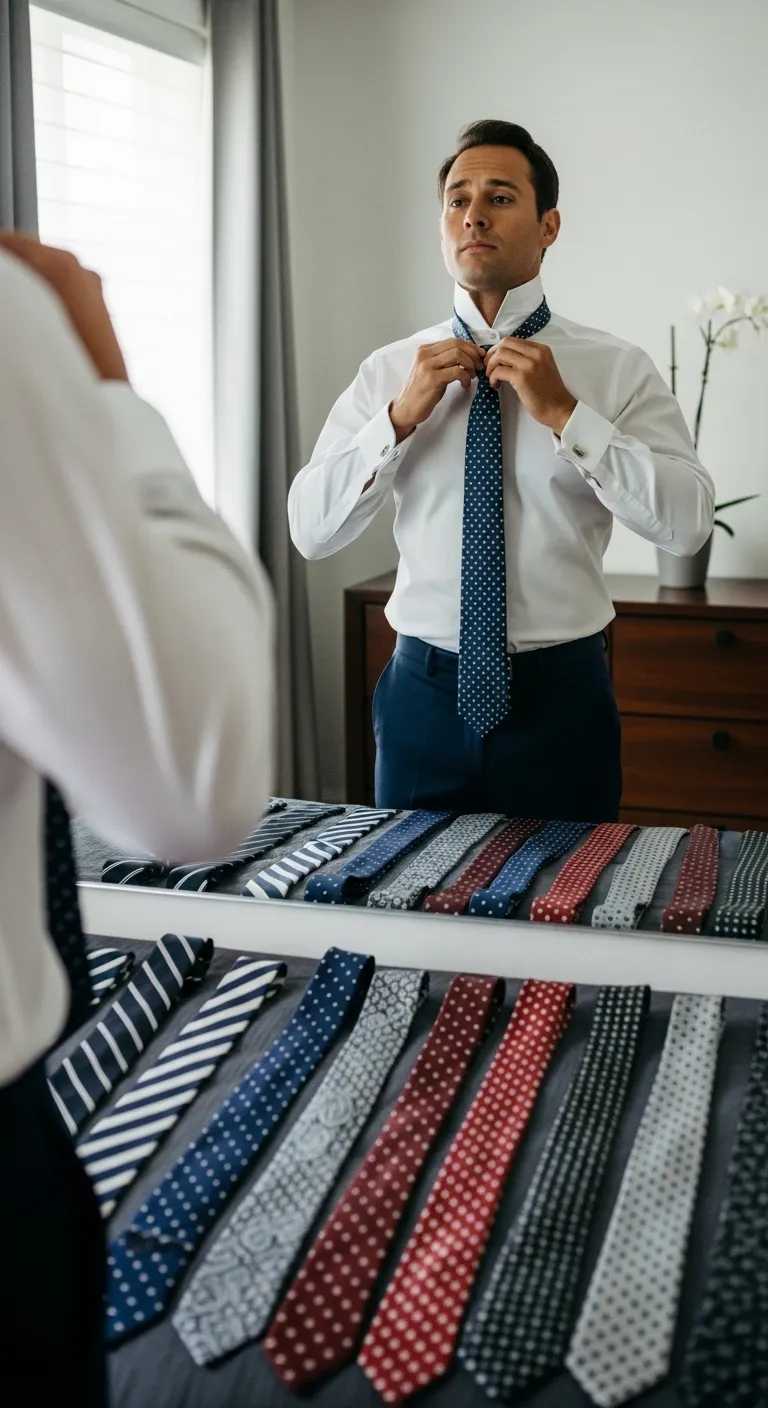
Tie patterns add personality, but picking the right one is crucial for a polished look.
Solid Ties
- Best for: Professional, formal, or minimalistic looks.
- Pros: Timeless, versatile, easy to pair with patterned shirts or suits.
Stripes
- Diagonal stripes: Classic for business and school uniforms.
- Tips: Narrow stripes for formal settings, wide stripes for casual looks.
Polka Dots
- Adds playful or vintage touch.
- Best for: Social events or business casual.
- Tips: Smaller dots = formal, larger dots = casual.
Paisley
- Intricate, artistic design.
- Best for: Weddings, parties, or creative industries.
- Tips: Pair with solid suits to avoid visual overload.
Geometric Patterns
- Modern, trendy, adds depth to outfits.
- Tips: Pair with solid or subtly patterned shirts.
Checks & Plaids
- Casual and stylish, perfect for fall/winter layering.
- Tips: Ensure shirt patterns do not clash; match scale and color carefully.
Matching Tie with Shirt and Suit

A tie isn’t standalone; it should harmonize with your shirt and suit.
Shirt and Tie Combinations
- Solid tie + patterned shirt: Safe, classic, versatile.
- Patterned tie + solid shirt: Bold, stylish, professional.
- Patterned tie + patterned shirt: Advanced; match scale and color carefully.
Suit and Tie Matching
- Dark suit + dark tie = formal, classic.
- Light suit + bold tie = stylish, modern.
- Avoid exact color matches; contrast creates depth.
Tie Knots and Length

The knot affects the overall appearance and should match your shirt collar and occasion.
Common Knots
- Four-in-Hand: Slim, asymmetrical, casual-smart. Works for most shirts.
- Half Windsor: Medium-size, symmetrical, versatile. Perfect for business and formal events.
- Full Windsor: Large, symmetrical, formal. Best with spread collars.
- Pratt Knot: Medium-size, elegant, slightly modern twist.
Tie Length Tips
- The tip should end at the belt buckle. Too short or too long looks sloppy.
- Wider knots pair better with spread collars; narrow knots suit point collars.
Occasion-Based Tie Selection
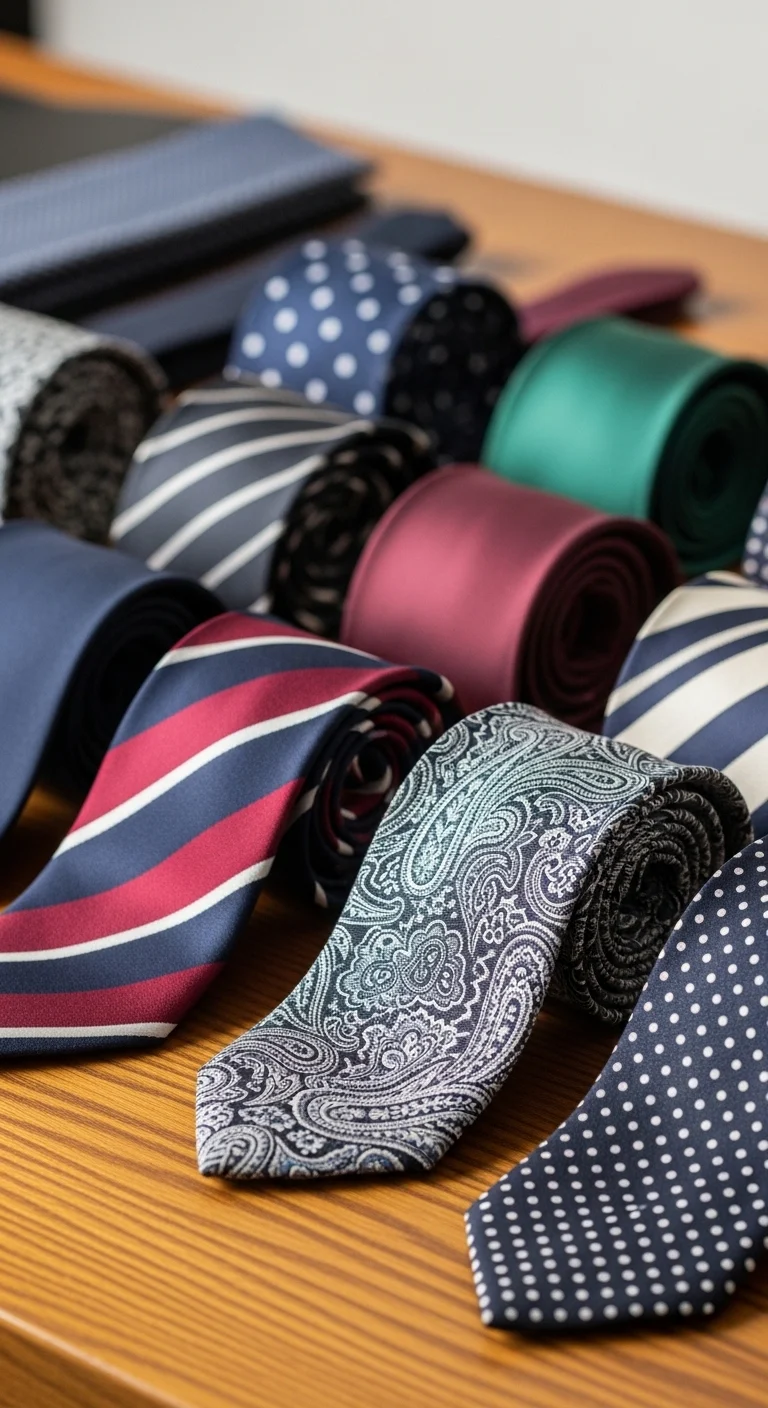
Business Meetings
- Choose solid or subtle patterned ties.
- Conservative colors: navy, burgundy, gray.
- Silk or fine wool for a polished look.
Weddings and Parties
- Go bold with color or pattern.
- Consider pastel tones for daytime events.
- Patterned silk ties add elegance.
Casual or Smart-Casual
- Knit or cotton ties work well.
- Try playful patterns like stripes, polka dots, or novelty prints.
Seasonal Ties
- Spring/Summer: Linen, cotton, light colors, pastels.
- Fall/Winter: Wool, knit, dark colors, plaids, and earthy tones.
Accessories and Finishing Touches
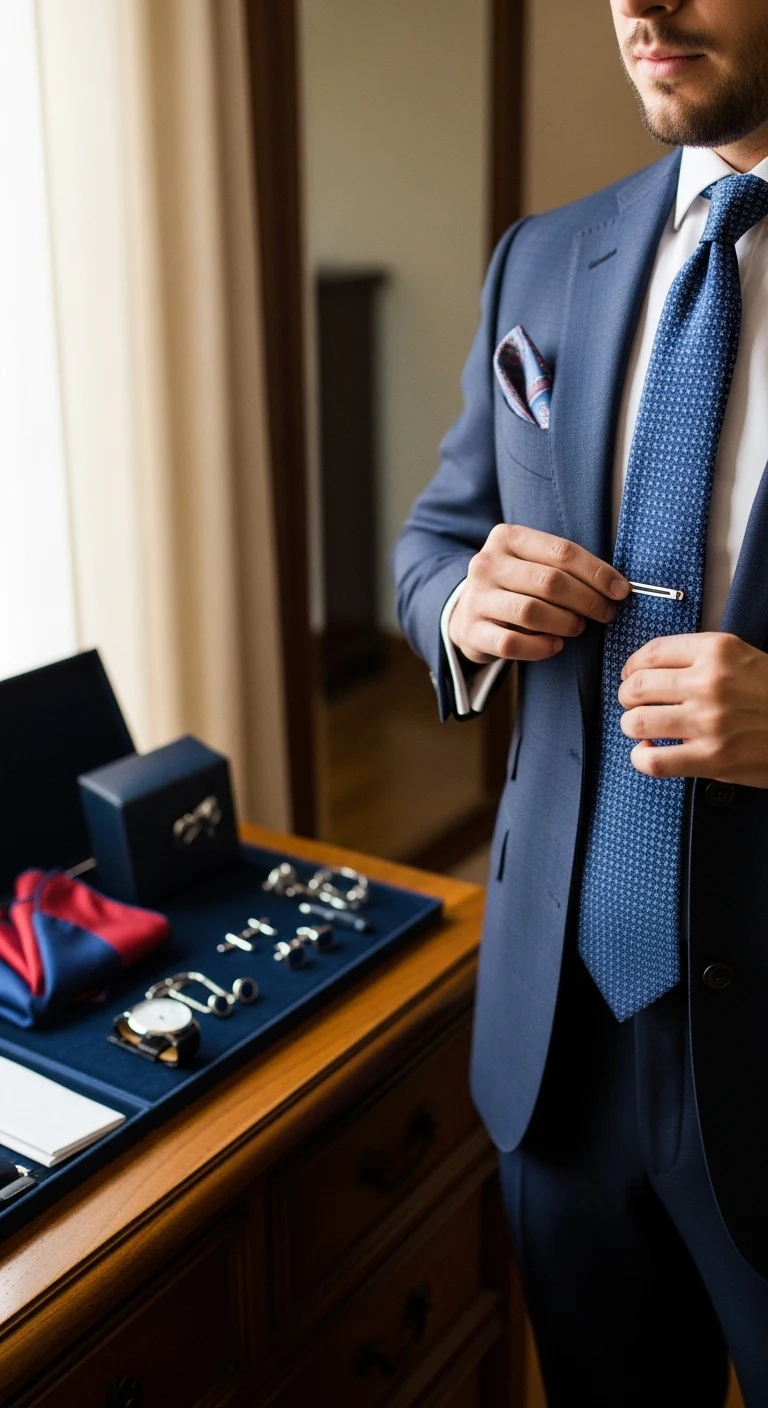
A tie can be paired with small accessories to enhance style.
Tie Clips
- Prevent tie from moving.
- Should match metal of watch, cufflinks, or belt buckle.
- Avoid oversized clips; stick to a thin, classic style.
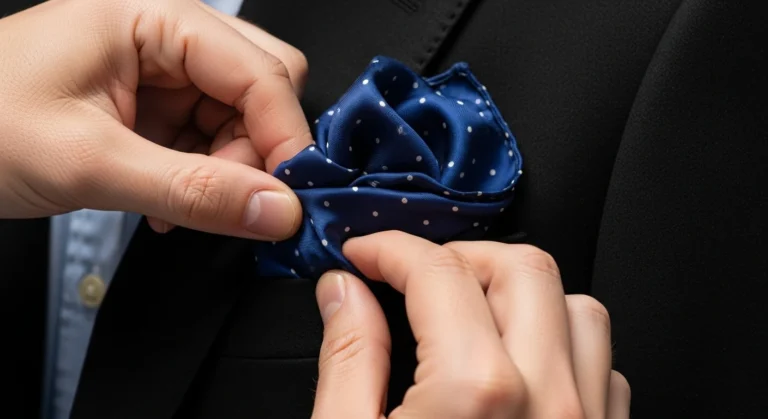
Pocket Squares
- Add contrast and flair.
- Complement the tie color but avoid exact matching.
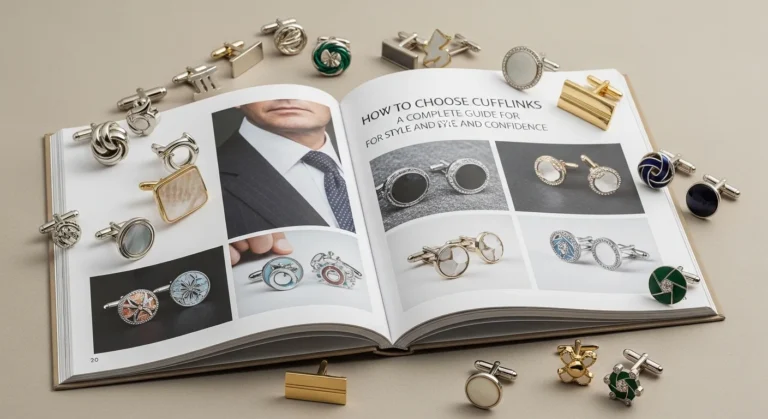
Cufflinks
- If wearing French cuffs, coordinate with tie and suit for a refined look.
Common Tie Mistakes to Avoid
- Wrong length: Tie too short or long looks sloppy.
- Clashing patterns: Avoid conflicting shirt-suit-tie combos.
- Ignoring fabric: Don’t wear silk for casual outdoor events; avoid wool in summer.
- Excessive accessories: Tie clip + pocket square + bold cufflinks = overload.
- Poor knot choice: Avoid large knots with narrow collars or vice versa.
Investing in Quality Ties
Quality ties not only look better but last longer. Consider:
- Fabric: Silk ties drape better and resist wrinkles.
- Construction: Look for “hand-rolled edges” and inner lining for durability.
- Brand reputation: Trusted brands maintain consistent quality.
A well-chosen tie can elevate even a simple outfit into a sharp, confident look.
Conclusion
Choosing a tie may seem like a small detail, but it is a crucial element of style and personal presentation. By understanding tie materials, lengths, widths, colors, patterns, and knots, you can confidently select a tie that suits your occasion, outfit, and personality.
Remember, the key is harmony—your tie should complement your shirt, suit, and overall look without overpowering them.
Whether dressing for a business meeting, a wedding, or a casual outing, the perfect tie can enhance your style, project confidence, and make a memorable impression.
With this guide, you now have all the tools to become a master of tie selection and take your wardrobe to the next level.