
How to Choose Quality Clothing That Lasts Longer

Fast fashion has made clothing cheaper and more accessible than ever before, but it has also lowered the average lifespan of what we wear. Many people find themselves replacing clothes every few months because of fading, stretching, or tearing.
Choosing quality clothing that lasts longer is not just about saving money—it’s about building a smarter wardrobe, reducing waste, and developing a more refined personal style.
This guide will help you understand what truly makes clothing durable and how to identify quality pieces before you buy them.
👕 Clothing Quality Checker
Evaluate durability & value before you buy
Why Quality Clothing Matters
When you invest in well-made clothing, you reduce the need for frequent replacements. Cheap garments may look appealing at first, but they often lose shape, color, or structure after a few washes.
Quality clothing, on the other hand, maintains its appearance over time. It feels better on your skin, fits more consistently, and often ages in a way that enhances its character.
In the long run, buying fewer high-quality items is more cost-effective than repeatedly purchasing low-quality alternatives.
Understand Fabric Quality First
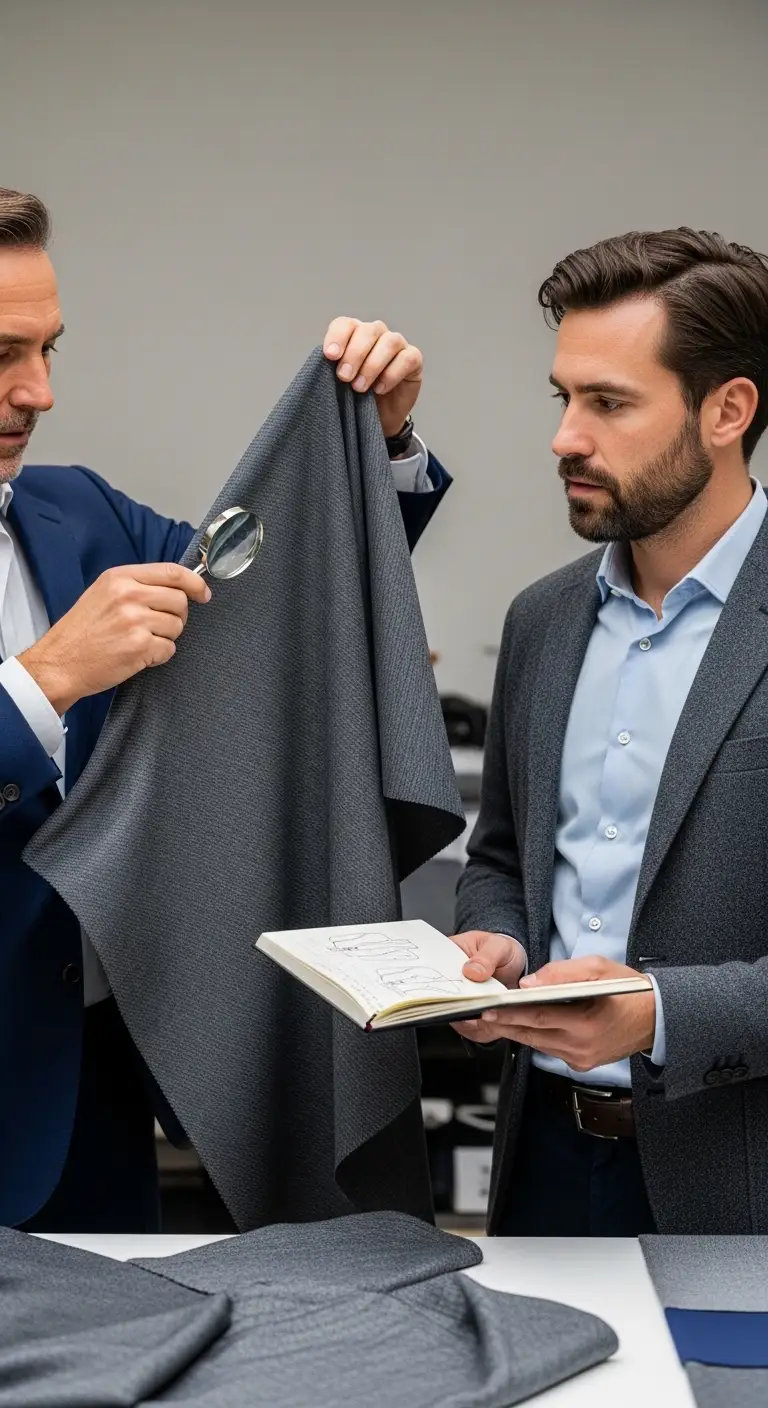
The foundation of any durable garment is the fabric. If the material is weak, even the best stitching won’t save it.
Natural fibers like cotton, wool, linen, and silk are generally more breathable and long-lasting compared to synthetic blends.
However, not all natural fabrics are equal. For example, long-staple cotton is much stronger and smoother than short-staple cotton.
When shopping, pay attention to fabric weight. Heavier fabrics usually indicate better durability, especially in items like t-shirts, jeans, and jackets. Lightweight doesn’t always mean poor quality, but it should still feel strong and tightly woven.
A simple trick is to hold the fabric up to light. If it looks too thin or transparent when it shouldn’t be, it may wear out quickly.
Check the Stitching Carefully
Stitching is one of the clearest indicators of garment quality. Poor stitching leads to loose threads, uneven seams, and eventual tearing.
Look for tight, even stitches with no gaps or fraying. The stitching should be straight and consistent throughout the garment. High-quality clothing often has a higher stitch count per inch, which makes the seams stronger.
Also, check stress points like shoulders, underarms, and pockets. These areas should have reinforced stitching because they experience the most strain during wear.
If you gently pull the seam and see threads separating, that’s a sign the garment won’t last long.
Examine the Seams and Construction
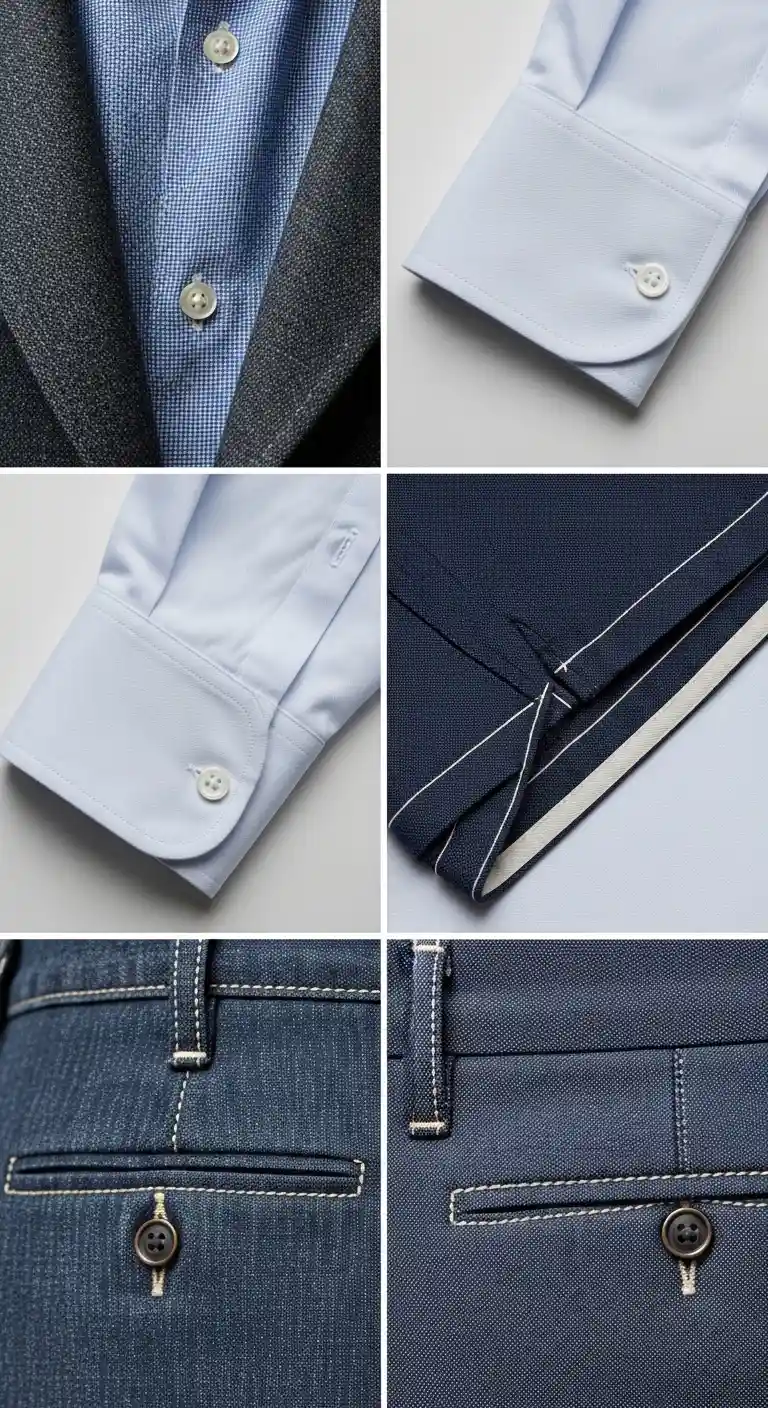
Beyond stitching, the way a garment is constructed plays a major role in its longevity.
Turn the clothing inside out and inspect the seams. Clean finishes such as French seams or flat-felled seams indicate better craftsmanship. These types of seams are not only more durable but also prevent fraying over time.
Avoid garments with raw or poorly finished edges unless it’s a deliberate design choice. Loose threads or messy construction often signal rushed manufacturing.
A well-constructed piece will look neat both inside and outside, showing attention to detail.
Pay Attention to Fit and Structure
Even high-quality clothing won’t last if it doesn’t fit properly. Tight garments experience more stress on seams, while overly loose pieces may lose shape quickly.
Look for clothing that complements your body shape without excessive strain. Structured items like blazers, coats, and trousers should hold their form even when you’re not wearing them.
Check whether the garment returns to its original shape after stretching slightly. This is especially important for knitwear and activewear.
Good structure is a sign that the fabric and design work together to maintain durability.
Evaluate Hardware and Details
Small details can reveal a lot about overall quality.
Zippers should glide smoothly without catching. Metal zippers are usually more durable than plastic ones.
Buttons should be securely attached with tight stitching, and there should often be a spare button included.
Look at elements like rivets, snaps, and embellishments. These should feel solid and well-attached, not flimsy or loose.
If a brand invests in strong hardware, it’s usually a sign they care about the garment’s longevity.
Look for Color and Dye Quality
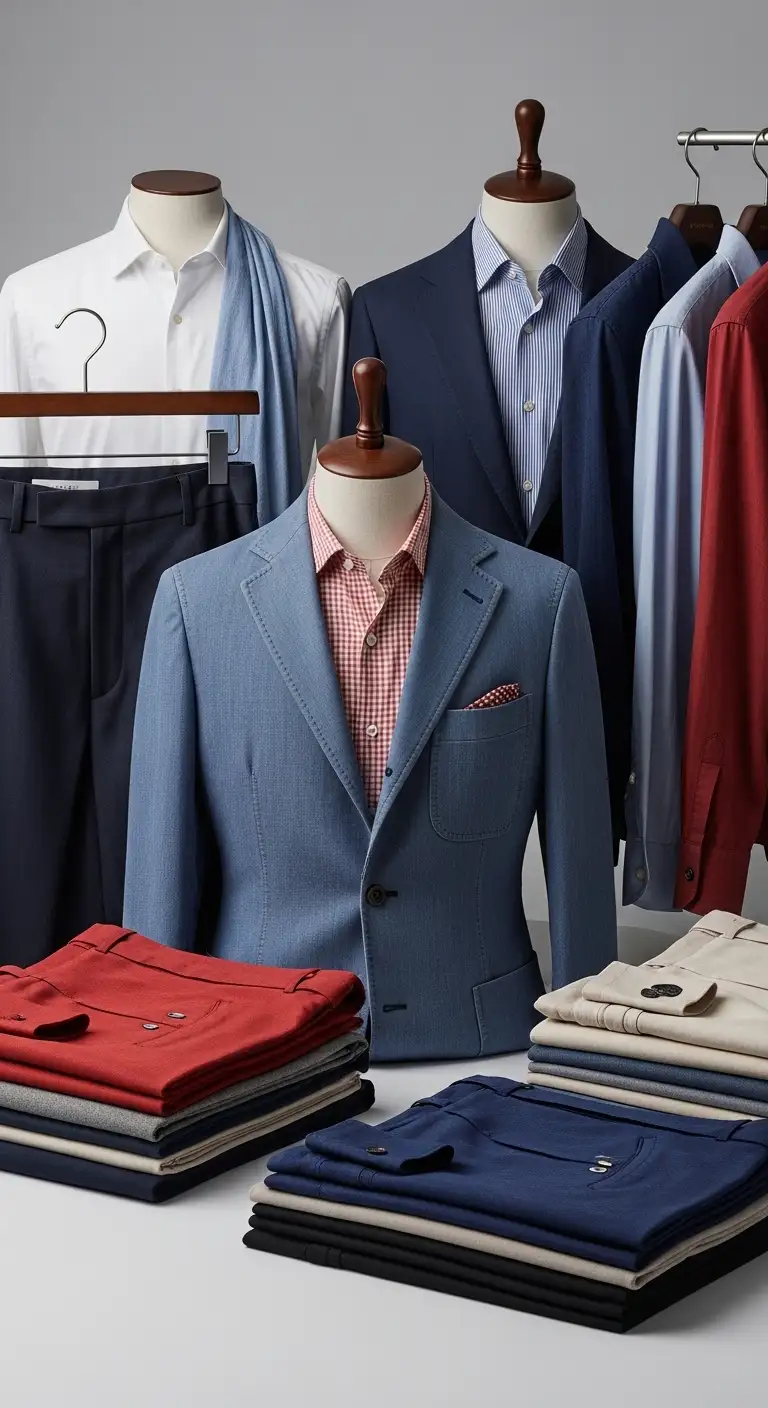
Color fading is one of the most common signs of low-quality clothing.
High-quality garments use better dyeing processes, which help colors stay vibrant after multiple washes. Deep, rich colors that look consistent throughout the fabric are a good sign.
Gently rub a white cloth on the fabric. If color transfers easily, it may bleed during washing and fade quickly.
Also, check patterns and prints. They should be aligned properly at seams and not look distorted.
Understand Fabric Blends
Not all synthetic fabrics are bad. In fact, blends can enhance durability when used correctly.
For example, a small percentage of elastane can improve stretch and comfort without compromising strength. Polyester blends can add wrinkle resistance and durability to certain garments.
The key is balance. If a garment is mostly synthetic and feels thin or plastic-like, it may not age well. But a thoughtful blend can actually increase lifespan.
Always check the label and understand what you’re buying.
Test the Fabric by Touch
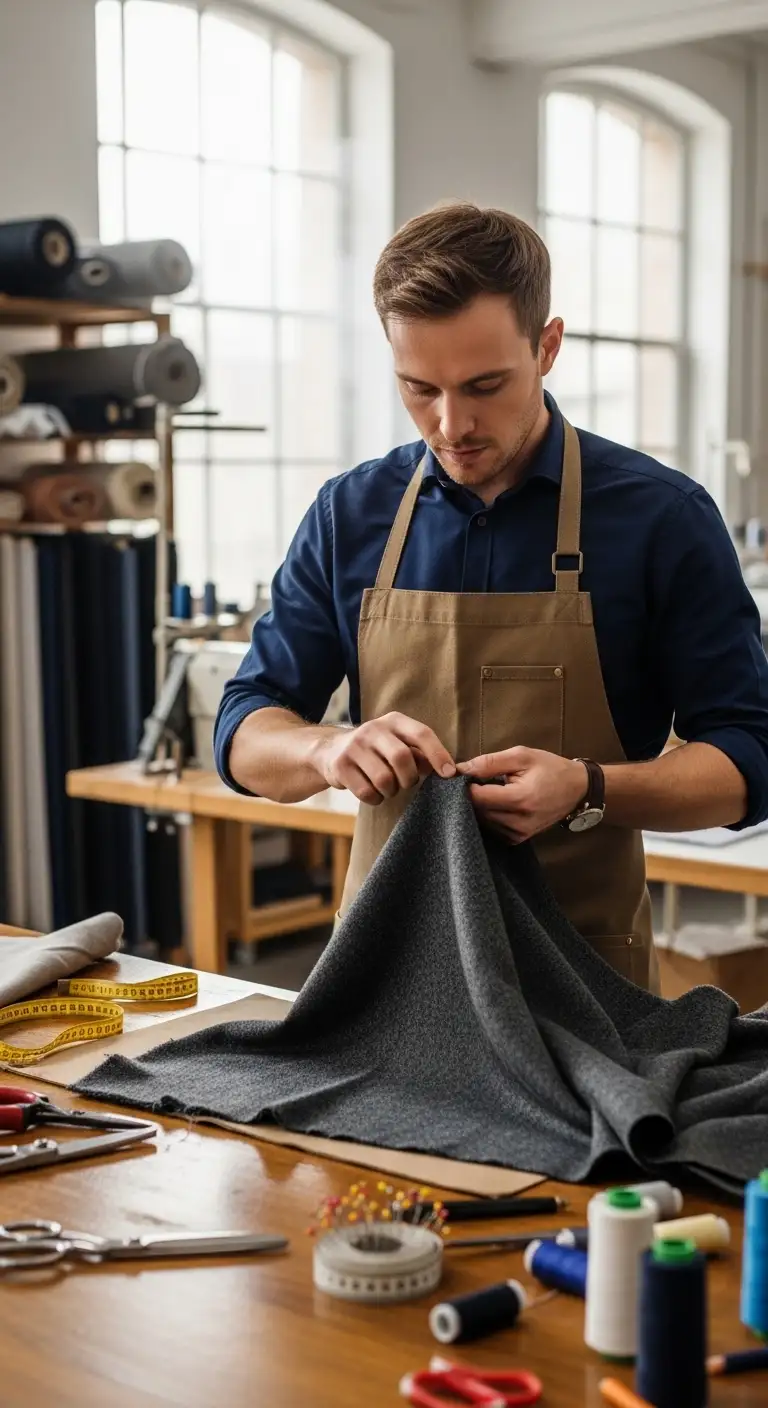
Your sense of touch is one of the most powerful tools when evaluating clothing.
Quality fabrics usually feel smooth, dense, and substantial. They shouldn’t feel overly rough, stiff, or flimsy unless that’s intentional for the design.
Run your hand over the surface. If you feel pilling, uneven texture, or excessive fuzz, the garment may deteriorate quickly.
A good fabric feels comfortable and strong at the same time.
Check Brand Transparency and Reputation
Brands that prioritize quality often provide detailed information about their materials and manufacturing processes.
Look for labels that mention fabric origin, craftsmanship, or ethical production. While brand name alone doesn’t guarantee quality, companies with a reputation for durability tend to maintain higher standards.
Reading reviews can also help you understand how a garment performs over time. Pay attention to comments about shrinkage, fading, or stitching issues.
Avoid Trend-Driven Fast Fashion
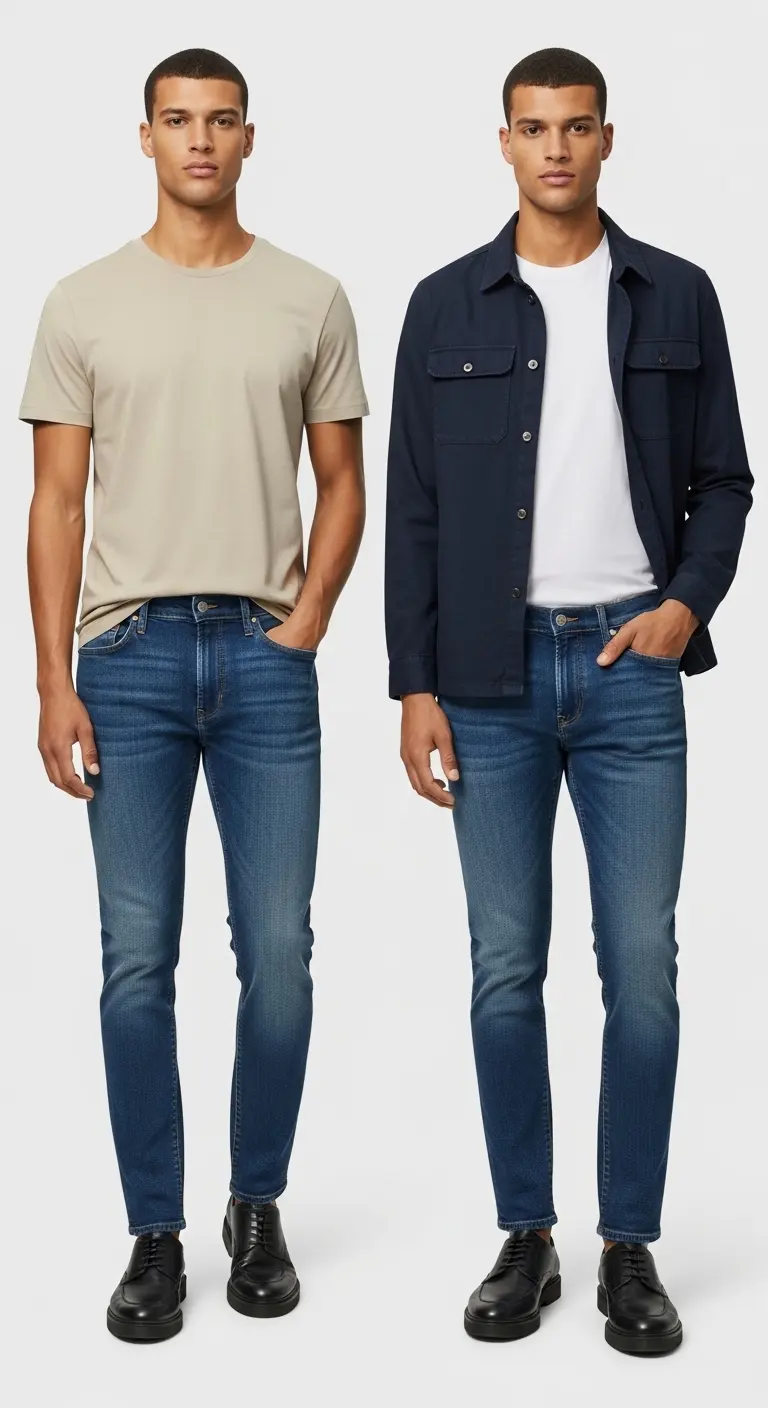
Trendy pieces are often designed for short-term use. They may look stylish now but are rarely built to last.
Instead, focus on timeless designs that won’t go out of style quickly. Classic items like well-fitted jeans, neutral t-shirts, tailored jackets, and versatile shirts tend to have longer lifespans both physically and stylistically.
This doesn’t mean you should ignore trends completely, but they shouldn’t dominate your wardrobe.
Consider Cost Per Wear
A higher price doesn’t always mean better quality, but extremely cheap clothing often cuts corners in materials and construction.
Instead of focusing only on the price tag, think about cost per wear. A slightly more expensive item that lasts for years is more valuable than a cheap one that needs replacement after a few months.
Investing in fewer, better pieces leads to a more sustainable and practical wardrobe.
Care and Maintenance Matters Too
Even the highest-quality clothing won’t last without proper care. Follow washing instructions carefully. Use gentle cycles, avoid excessive heat, and air dry when possible. Overwashing can weaken fibers and cause fading.
Store your clothes properly. Use hangers for structured items and fold knitwear to prevent stretching. Simple habits like these can significantly extend the life of your garments.
Signs of Poor Quality to Avoid
While shopping, watch out for these red flags:
- Loose or uneven stitching
- Thin, transparent fabric where it shouldn’t be
- Poorly attached buttons or zippers
- Excessive loose threads
- Fabric that feels rough or overly synthetic
- Misaligned patterns or seams
If you notice multiple issues, it’s best to skip the item.
Building a Long-Lasting Wardrobe
Choosing quality clothing is not about buying everything at once. It’s about gradually building a wardrobe that works for your lifestyle.
Start with essentials. Focus on items you wear frequently and upgrade those first. Over time, replace low-quality pieces with better alternatives.
A well-curated wardrobe doesn’t need to be large. It just needs to be reliable, versatile, and durable.
Final Thoughts
Learning how to choose quality clothing takes practice, but it becomes easier over time. Once you understand what to look for—fabric, stitching, construction, and details—you’ll make better decisions naturally.
Instead of chasing quantity, focus on value. Every piece you add to your wardrobe should serve a purpose and stand the test of time.
In the end, quality clothing is not just about durability. It reflects a more thoughtful approach to style, consumption, and self-expression.
