
How to Match Colors in Your Outfits Like a Pro

Color can make or break an outfit. You might own expensive clothing, perfectly fitted trousers, and premium shoes, but if the colors clash, the entire look can feel off. On the other hand, a simple outfit with well-matched colors instantly appears stylish, intentional, and put together.
The good news is that matching colors isn’t a talent you’re born with. It’s a skill that anyone can learn. Once you understand a few basic principles, you’ll be able to create outfits that look balanced, confident, and fashionable without spending hours in front of a mirror.
In this guide, you’ll learn how to match colors in your outfits like a pro, understand color combinations that always work, and avoid common mistakes that ruin otherwise great looks.
Why Color Matching Matters
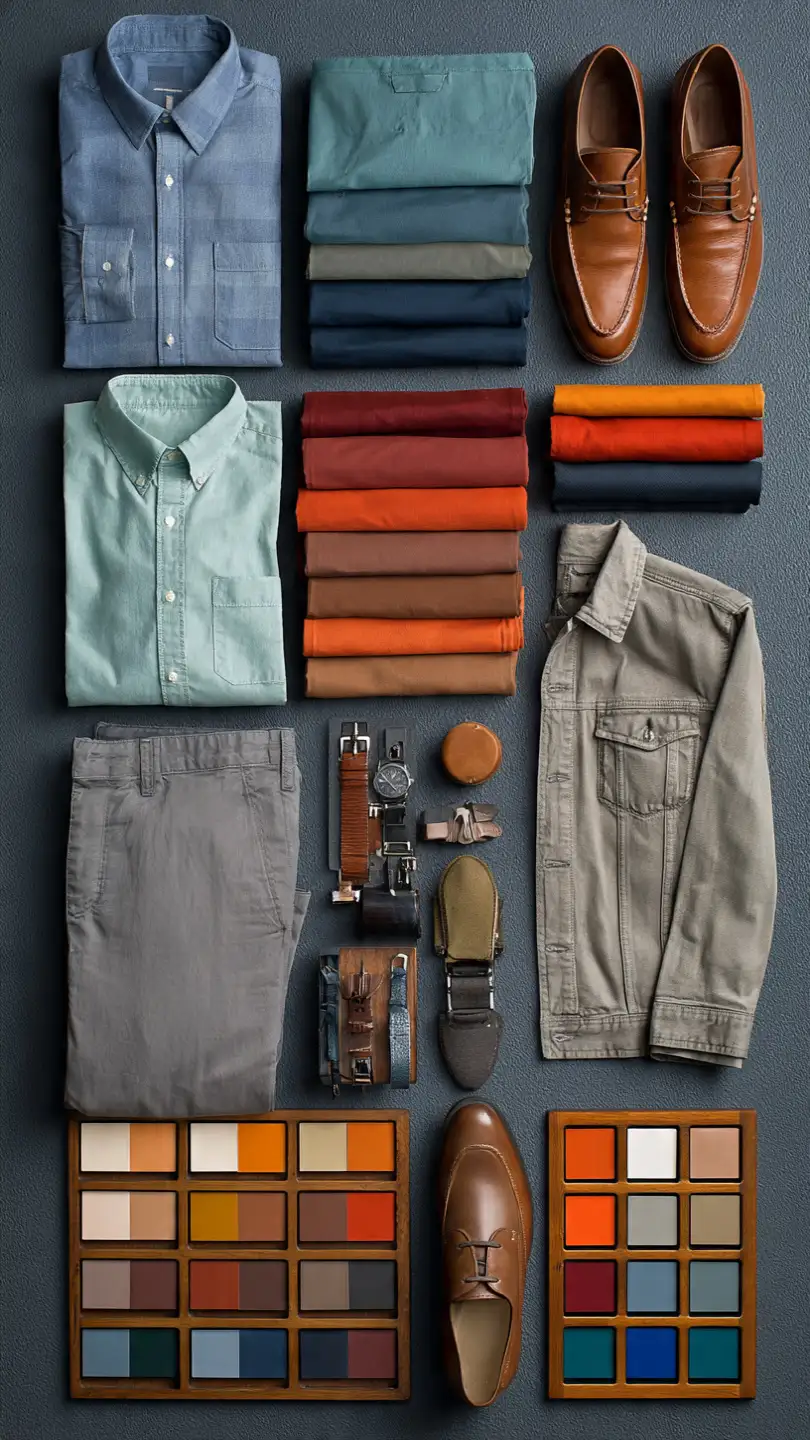
When people notice your outfit, color is often the first thing they see. Before they recognize the brand of your shirt or the quality of your shoes, they notice how the colors work together.
Proper color coordination helps you:
- Look more polished and stylish
- Create a balanced appearance
- Highlight your best features
- Express your personality
- Build a versatile wardrobe
Understanding color combinations can also save money because you’ll buy pieces that work with multiple outfits instead of items that only match one thing.
Understanding the Color Wheel
The color wheel is one of the most useful tools for learning color coordination.
It consists of:
Primary Colors
- Red
- Blue
- Yellow
Secondary Colors
- Green
- Orange
- Purple
Tertiary Colors
Colors created by mixing primary and secondary colors.
You don’t need to become an artist to dress well, but understanding how colors relate to one another makes outfit building much easier.
Start With Neutral Colors
If you’re new to color matching, begin with neutrals. These colors pair effortlessly with almost everything.
Common neutral colors include:
- Black
- White
- Gray
- Navy
- Beige
- Brown
- Cream
- Olive
A wardrobe built around neutrals gives you endless outfit possibilities.
For example:
- Navy blazer + white shirt + gray trousers
- Black jeans + white T-shirt + brown boots
- Beige chinos + navy polo + white sneakers
Because neutrals work together naturally, they’re the safest foundation for stylish outfits.
The 60-30-10 Rule
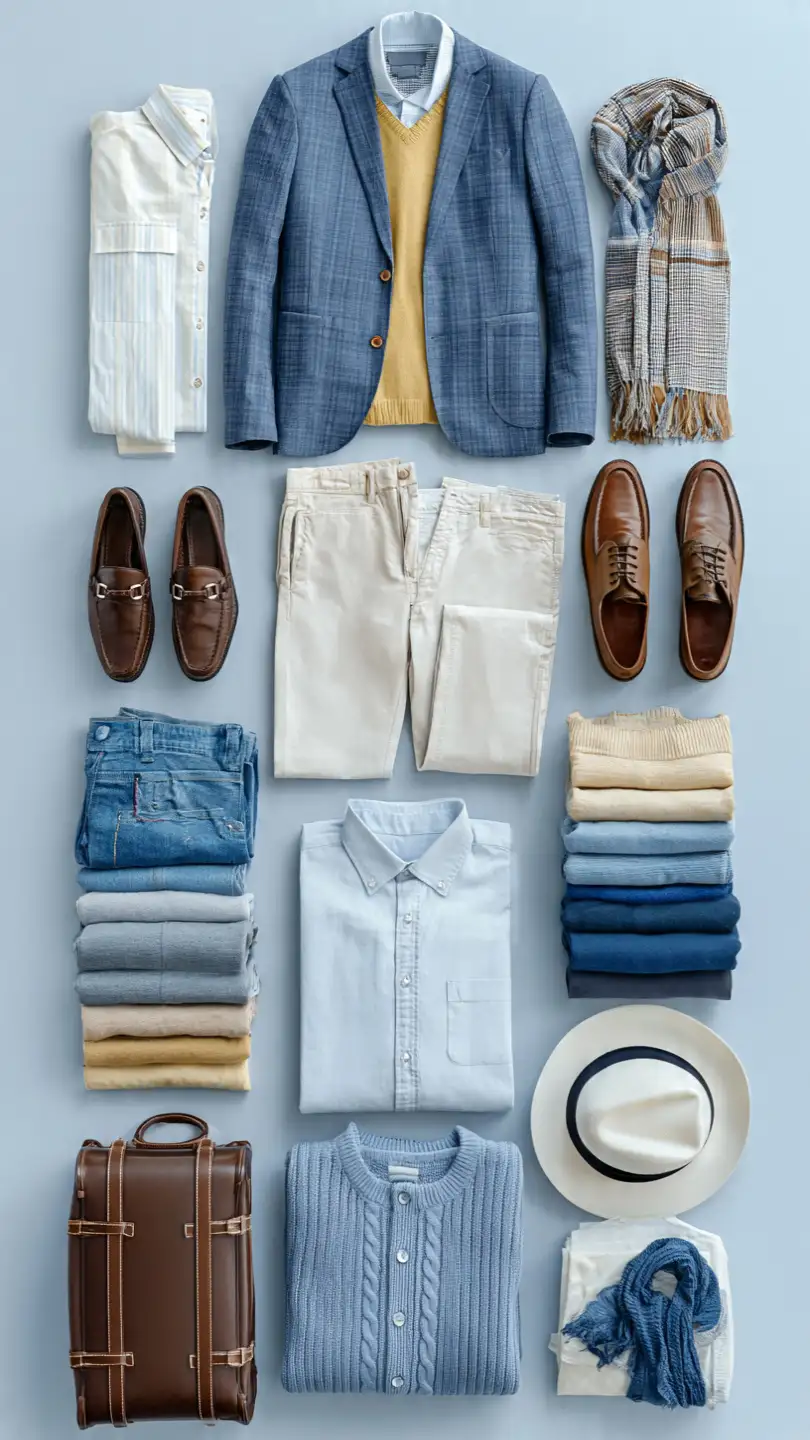
One of the easiest ways to create balanced outfits is by following the 60-30-10 rule.
60% Dominant Color
This is usually your main clothing item, such as trousers, a suit, or a jacket.
30% Secondary Color
This complements the dominant color and provides contrast.
10% Accent Color
A small pop of color used in accessories, ties, pocket squares, socks, or shoes.
Example
- Navy suit (60%)
- White shirt (30%)
- Burgundy tie (10%)
This formula creates visual balance and prevents outfits from looking overwhelming.
Monochromatic Color Combinations
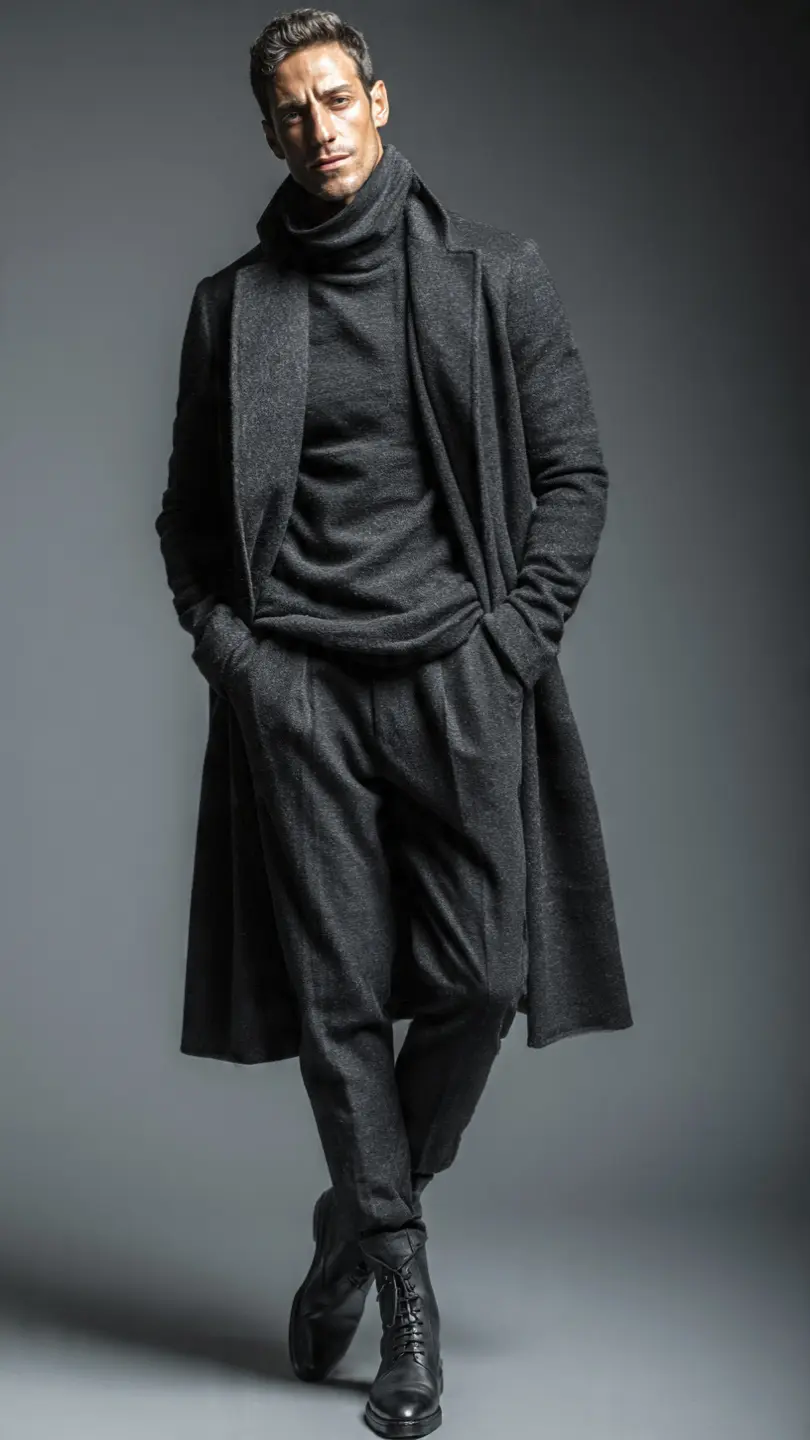
A monochromatic outfit uses different shades of the same color.
For example:
- Light blue shirt
- Medium blue trousers
- Dark navy blazer
Because all pieces belong to the same color family, the outfit appears sophisticated and coordinated.
Benefits of Monochromatic Dressing
- Easy to style
- Looks modern and elegant
- Creates a taller appearance
- Works for casual and formal settings
Popular monochromatic combinations include:
- All navy
- All gray
- All brown
- Various shades of green
Complementary Colors
Complementary colors sit opposite each other on the color wheel.
Examples include:
- Blue and orange
- Red and green
- Purple and yellow
These combinations create strong contrast and visual interest.
In menswear, it’s often best to use complementary colors carefully.
Example
Instead of wearing a bright orange jacket with bright blue pants, try:
- Navy suit
- White shirt
- Rust-colored tie
This achieves contrast without appearing excessive.
Analogous Color Combinations
Analogous colors sit next to each other on the color wheel.
Examples:
- Blue, blue-green, green
- Red, red-orange, orange
- Yellow, yellow-green, green
These combinations create harmony because the colors naturally relate to one another.
Outfit Example
- Olive chinos
- Forest green overshirt
- Light green T-shirt
The result feels coordinated without looking boring.
The Power of Navy Blue
If there is one color every man should master, it’s navy blue.
Navy works with:
- White
- Gray
- Beige
- Brown
- Burgundy
- Olive
- Pink
- Light blue
A navy blazer alone can be paired with dozens of colors, making it one of the most versatile items in a wardrobe.
Classic Navy Outfit
- Navy blazer
- White Oxford shirt
- Khaki chinos
- Brown loafers
This combination works for countless occasions.
Matching Earth Tones
Earth tones have become increasingly popular because they look natural, sophisticated, and masculine.
Common earth tones include:
- Olive
- Brown
- Camel
- Tan
- Rust
- Terracotta
- Beige
These colors work beautifully together because they are inspired by nature.
Example
- Olive overshirt
- Beige chinos
- Brown suede boots
The outfit feels stylish and timeless without trying too hard.
Using Bright Colors Correctly
Bright colors can add personality to your wardrobe, but they should be used strategically.
A common mistake is combining multiple bright colors in one outfit.
Instead:
- Keep most of the outfit neutral
- Introduce one bright color as the focal point
Example
- White shirt
- Navy chinos
- Bright red sweater
The red becomes the statement piece while the rest of the outfit remains balanced.
How to Match Shirt and Pants Colors
Some combinations work consistently well.
White Shirt
Pairs with:
- Navy trousers
- Black trousers
- Gray trousers
- Olive chinos
- Beige chinos
Light Blue Shirt
Pairs with:
- Navy pants
- Gray pants
- Khaki chinos
- Dark denim
Black Shirt
Pairs with:
- Gray trousers
- Black jeans
- Beige chinos
Pink Shirt
Pairs with:
- Navy trousers
- Gray trousers
- White pants
These combinations provide reliable outfit formulas that rarely fail.
Matching Shoes With Your Outfit
Shoes play a major role in color coordination.
Brown Shoes
Work best with:
- Navy
- Gray
- Olive
- Beige
- Tan
Black Shoes
Work best with:
- Black
- Charcoal
- Dark gray
- Formal suits
White Sneakers
Work with:
- Jeans
- Chinos
- Shorts
- Casual trousers
A simple rule is to match the formality of your shoes with the formality of your outfit.
Seasonal Color Matching
Different seasons naturally favor different color palettes.
Spring
- Light blue
- Sage green
- Beige
- Soft pink
Summer
- White
- Sky blue
- Cream
- Light gray
Fall
- Olive
- Brown
- Rust
- Camel
Winter
- Navy
- Charcoal
- Black
- Burgundy
Dressing according to seasonal colors often feels more natural and visually appealing.
Matching Accessories
Accessories should complement your outfit rather than compete with it.
Leather Rule
Your leather items should generally match.
For example:
- Brown belt + brown shoes
- Black belt + black shoes
Tie Coordination
Your tie should relate to at least one color in your outfit.
Example:
- Navy suit
- White shirt
- Burgundy tie
The tie adds interest while remaining harmonious.
Watches and Jewelry
Silver accessories pair well with cooler colors.
Gold accessories pair well with warmer colors.
Consistency helps create a polished appearance.
Common Color Matching Mistakes
Wearing Too Many Colors
Using four or five strong colors at once often creates visual chaos.
Stick to two or three primary colors.
Ignoring Contrast
An outfit made entirely of similar shades can appear flat.
Introduce contrast through shoes, accessories, or layering.
Matching Everything Exactly
Perfectly matching every item can look unnatural.
Aim for coordination rather than identical shades.
Overusing Black
While black is versatile, relying on it exclusively can make outfits feel repetitive.
Introduce navy, olive, brown, and gray for greater variety.
Foolproof Color Combinations Every Man Should Know
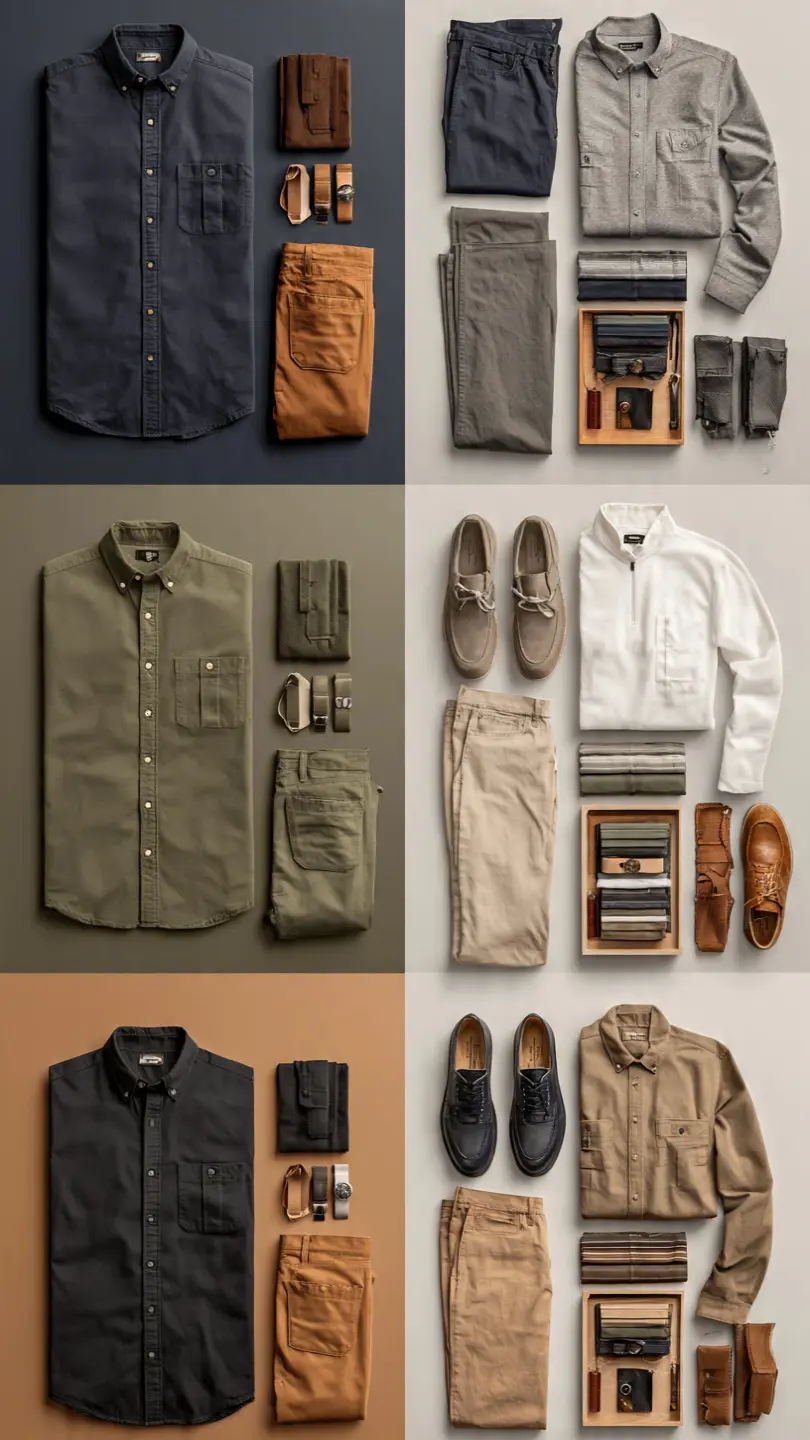
These combinations rarely fail:
Navy and White
Clean, timeless, and versatile.
Gray and White
Minimalist and sophisticated.
Olive and Beige
Relaxed and masculine.
Brown and Navy
Rich and elegant.
Black and Gray
Modern and sleek.
Burgundy and Navy
Perfect for smart-casual and business settings.
Camel and White
Refined and stylish.
Light Blue and Gray
Professional and polished.
These pairings provide a strong foundation for almost any wardrobe.
Building a Color-Coordinated Wardrobe
Instead of buying random clothing pieces, think in terms of color compatibility.
Start with:
Neutral Foundations
- Navy blazer
- Gray trousers
- White shirts
- Black shoes
- Brown shoes
Add Versatile Colors
- Olive overshirt
- Burgundy sweater
- Light blue shirt
- Beige chinos
- Because these colors work together, you’ll be able to create dozens of outfits from a relatively small wardrobe.
Confidence Is the Final Ingredient
Even the best color combinations won’t look great if you don’t wear them confidently.
Fashion rules are helpful, but they aren’t absolute. As you become more comfortable with color coordination, you’ll develop your own style and preferences.
Experiment with new combinations, observe what works, and pay attention to how different colors make you feel.
The most stylish men aren’t necessarily the ones following every trend. They’re the ones who understand the fundamentals and use them consistently.
Final Thoughts
Learning how to match colors in your outfits like a pro doesn’t require a fashion degree or an expensive wardrobe. By understanding basic color theory, relying on neutral foundations, using proven color combinations, and following simple principles like the 60-30-10 rule, you can dramatically improve your appearance.
Start with timeless combinations such as navy and white, gray and black, or olive and beige. As your confidence grows, experiment with complementary and analogous colors to add more personality to your outfits.
Remember, great style isn’t about wearing more colors—it’s about wearing the right colors together. Master that skill, and you’ll always look polished, confident, and effortlessly stylish.
