
Office Wear Essentials: Dressing Smart for Work

Building a stylish and professional wardrobe doesn’t have to be complicated. These office wear essentials will help you create polished outfits that are comfortable, practical, and perfect for everyday work life.
Office wear is no longer limited to stiff suits and uncomfortable shoes. Modern workplace fashion combines professionalism with comfort, flexibility, and personal style.
From tailored blazers to polished shoes, every wardrobe essential plays a role in creating a smart and reliable appearance.
In this guide, we’ll explore the must-have office wear essentials for men, how to build a versatile work wardrobe, and practical tips for dressing smart in different professional environments.
👔 Office Wear Style Builder
Create your ideal professional wardrobe, boost your style score, and discover the perfect office outfits for every workplace environment.
Business Formal
Suits, ties, polished shoesBusiness Casual
Blazers, chinos, loafersSmart Casual
Relaxed but polishedCreative Office
Modern style flexibilityWhy Office Wear Matters
Dressing well at work is not about vanity—it’s about presentation, confidence, and professionalism.
A polished appearance can:
- Create strong first impressions
- Improve self-confidence
- Show respect for the workplace
- Reflect reliability and attention to detail
- Help you feel more focused and productive
Even in workplaces with relaxed dress codes, looking neat and intentional makes a difference. Smart office wear helps balance professionalism with personality.
Understanding Office Dress Codes
Before building your wardrobe, it’s important to understand your office environment. Different workplaces expect different levels of formality.
Business Formal
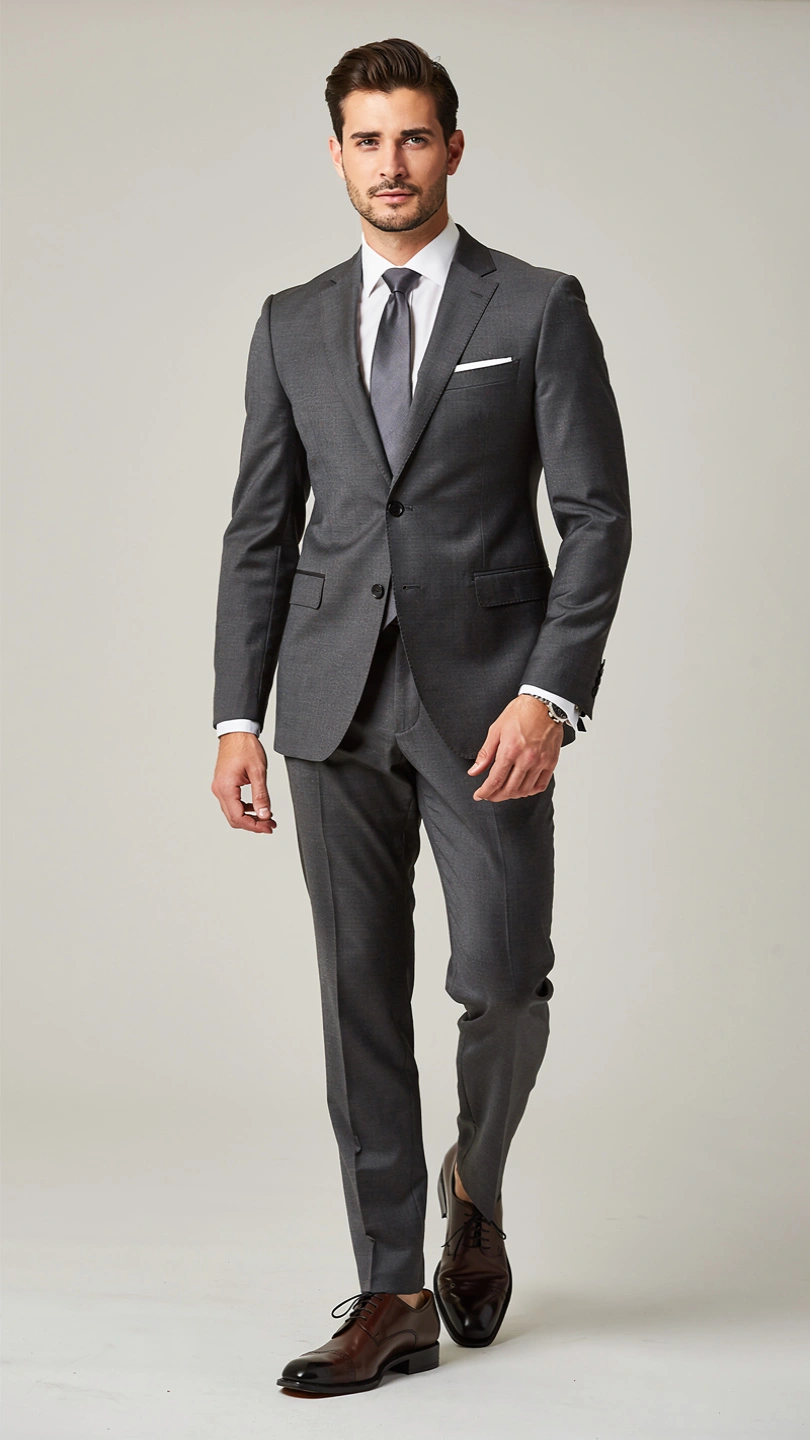
This is the most traditional office dress code. Common in law firms, finance, executive offices, and formal corporate environments.
Typical business formal essentials include:
- Dark tailored suits
- Dress shirts
- Silk ties
- Leather dress shoes
- Structured blazers
Neutral colors like navy, charcoal, black, and white dominate this style.
Business Casual
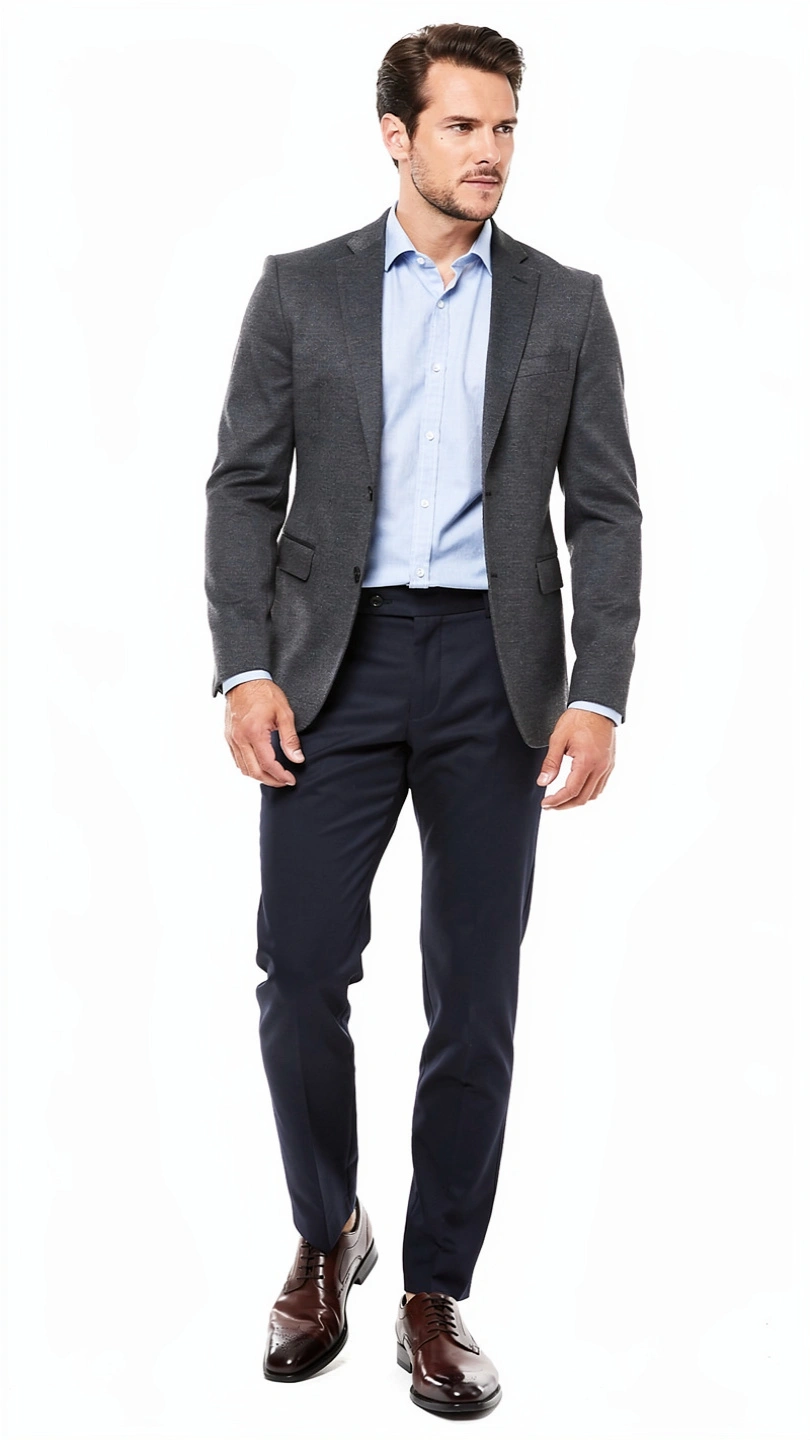
Business casual is the modern standard in many offices. It combines professionalism with comfort and flexibility.
Key pieces include:
- Chinos or tailored trousers
- Button-down shirts
- Polo shirts
- Loafers or derby shoes
- Smart sweaters and blazers
This dress code allows more room for personal style while maintaining a polished look.
Smart Casual
Creative workplaces and startups often lean toward smart casual dressing.
Examples include:
- Dark jeans
- Minimal sneakers
- Casual blazers
- Knitwear
- Relaxed button-down shirts
The goal is still to appear intentional and put together rather than overly relaxed.
Essential Office Wear Pieces Every Man Needs
A functional office wardrobe starts with versatile basics. These timeless pieces help you create multiple outfits without needing a huge closet.
Modern Office Wear
Build a wardrobe that balances professionalism, comfort, and personal style for every workplace environment.
Timeless Essentials
Invest in tailored shirts, smart trousers, and versatile basics that create a clean and reliable office wardrobe.
Dress for Every Workplace
Adapt confidently between business formal, business casual, and modern smart-casual environments.
Polished Footwear Matters
Quality shoes instantly elevate your appearance while supporting comfort and all-day functionality.
Build Versatile Outfits
Layer blazers, shirts, and seasonal pieces to create professional outfits that work year-round.
1. Well-Fitted Dress Shirts
Dress shirts are the foundation of office style.
A quality shirt instantly makes you look sharper and more professional. Focus on fit first—shirts should sit comfortably on your shoulders and taper neatly around your torso.
Essential Colors
Start with:
- White
- Light blue
- Pale gray
- Subtle stripes
These colors pair easily with trousers, blazers, and ties.
Fabric Choices
Cotton remains the best choice because it’s breathable and comfortable. For warmer climates, lightweight cotton blends work especially well.
Styling Tips
- Keep shirts wrinkle-free
- Tuck them in neatly
- Avoid loud prints in formal workplaces
- Roll sleeves carefully for business casual settings
2. Tailored Trousers
Well-tailored trousers are one of the most important office wear essentials.
Poorly fitted pants can ruin an otherwise polished outfit. The ideal trousers should fit comfortably around the waist and taper slightly toward the ankle.
Best Colors
Invest in:
- Navy
- Charcoal
- Black
- Beige
- Gray
These shades work with almost every shirt and blazer combination.
Recommended Fits
- Slim fit
- Straight fit
- Tailored fit
Avoid overly skinny or baggy styles in professional settings.
3. A Versatile Blazer
A blazer instantly upgrades your appearance.
Even simple trousers and a shirt look more refined when paired with a structured blazer. It’s one of the easiest ways to look professional without wearing a full suit.
Best Starter Blazers
Choose versatile colors like:
- Navy
- Charcoal
- Medium gray
These match effortlessly with different shirts and trousers.
When to Wear One
Blazers work well for:
- Meetings
- Presentations
- Client interactions
- Networking events
- Smart casual offices
4. Quality Suits
Every professional man should own at least one well-fitted suit.
Even if your office is casual, there will always be occasions where formal attire is necessary.
Best First Suit Colors
Start with:
- Navy
- Charcoal gray
These are timeless, versatile, and appropriate for most business situations.
Fit Matters Most
An affordable suit with good tailoring looks better than an expensive suit with poor fit.
Pay attention to:
- Shoulder alignment
- Sleeve length
- Jacket length
- Trouser break
5. Smart Footwear
Shoes complete your office outfit. Even expensive clothing can look careless if paired with worn-out or inappropriate footwear.
Essential Office Shoes
Oxford Shoes
Perfect for formal business settings.
Derby Shoes
Slightly more relaxed but still professional.
Loafers
Ideal for business casual offices.
Minimal Leather Sneakers
Suitable for modern smart casual environments.
Best Colors
Stick with:
- Black
- Dark brown
- Tan
These shades are versatile and timeless.
Shoe Care Tips
- Polish leather shoes regularly
- Use shoe trees
- Rotate pairs to extend lifespan
6. Belts and Accessories
Accessories should complement your outfit, not overpower it.
Essential Accessories
- Leather belt
- Classic wristwatch
- Minimal tie collection
- Neutral socks
- Professional bag or briefcase
Matching Rule
Your belt should generally match your shoes in color and finish.
7. Knitwear and Sweaters
Layering pieces are practical and stylish for office wear.
Best Office Knitwear
- Crewneck sweaters
- V-neck sweaters
- Fine-knit cardigans
Neutral tones work best for professional settings.
Layering Ideas
You can wear knitwear:
- Over dress shirts
- Under blazers
- With tailored trousers
This adds depth and sophistication to your outfit.
Building a Capsule Office Wardrobe
A capsule wardrobe focuses on versatile essentials that mix and match easily.
Instead of owning dozens of random pieces, invest in fewer high-quality items.
Example Capsule Office Wardrobe
Shirts
- 3 white shirts
- 2 blue shirts
- 2 patterned shirts
Trousers
- 2 navy trousers
- 2 gray trousers
- 1 beige chino
Outerwear
- 1 navy blazer
- 1 charcoal blazer
Shoes
- Black oxfords
- Brown loafers
Accessories
- Black belt
- Brown belt
- Neutral ties
This setup allows you to create many professional outfits with minimal effort.
Choosing the Right Fabrics
Fabric quality affects both comfort and appearance.
Best Office Fabrics
Cotton
Breathable and versatile.
Wool
Excellent for suits and colder weather.
Linen Blends
Great for warmer climates, though pure linen wrinkles easily.
Stretch Blends
Offer comfort and flexibility for long workdays.
Avoid fabrics that look overly shiny or cheap.
Dressing Smart in Different Seasons
Your office wardrobe should adapt to the weather while remaining professional.
Summer Office Wear
Hot weather makes dressing professionally more challenging.
Summer Essentials
- Lightweight cotton shirts
- Breathable trousers
- Loafers
- Unlined blazers
- Light colors
Tips
- Choose moisture-wicking fabrics
- Avoid heavy layers
- Wear breathable undershirts
Winter Office Wear
Layering becomes important during colder months.
Winter Essentials
- Wool coats
- Turtlenecks
- Structured overcoats
- Leather boots
- Thick knitwear
Dark tones usually work best during winter.
Common Office Wear Mistakes to Avoid
Even expensive clothes can look unprofessional if styled poorly.
Wearing Poorly Fitted Clothing
Fit is everything.
Clothes that are too tight or too loose create an untidy appearance.
Ignoring Grooming
Personal grooming matters just as much as clothing.
Keep:
- Hair neat
- Shoes clean
- Facial hair trimmed
- Clothes wrinkle-free
Overusing Trends
Trendy pieces can quickly look outdated.
Focus on timeless staples and introduce trends subtly.
Wearing Distracting Colors or Prints
Bright neon colors or loud graphics rarely belong in professional settings.
Stick to clean, balanced color combinations.
Neglecting Shoes
Scuffed or dirty shoes ruin otherwise polished outfits.
Proper shoe care is essential.
- ✕ Poorly fitted clothing
- ✕ Ignoring grooming
- ✕ Overusing trends
- ✕ Distracting colors or prints
- ✕ Neglecting shoe care
Smart Office Wear on a Budget
Looking professional doesn’t always require expensive designer clothing.
Prioritize These First
Spend more on:
- Shoes
- Blazers
- Trousers
These items impact your appearance the most.
Tailoring Makes a Huge Difference
Affordable clothing can look premium when tailored properly.
Simple alterations improve:
- Sleeve length
- Trouser fit
- Jacket shape
Buy Versatile Pieces
Avoid buying items that only work with one outfit.
Choose neutral colors and timeless designs.
Shop During Sales
End-of-season sales are great for buying quality office essentials at lower prices.
How to Add Personal Style Professionally
Professional doesn’t have to mean boring.
You can still express personality through subtle details.
Ways to Personalize Office Wear
- Patterned ties
- Textured blazers
- Stylish watches
- Pocket squares
- Layered knitwear
The key is balance. Small touches make an outfit interesting without becoming distracting.
Office Wear Essentials for Remote and Hybrid Work
Modern work environments have changed office fashion.
Even if you work remotely, dressing properly can improve productivity and mindset.
Remote Work Essentials
- Smart polos
- Comfortable chinos
- Lightweight sweaters
- Structured casual shirts
For video calls, focus especially on:
- Clean collars
- Neutral colors
- Good grooming
The Psychology of Dressing Well
What you wear affects how you feel.
Research often connects professional dressing with increased confidence and stronger workplace performance.
When you know you look polished:
- You communicate more confidently
- You feel more prepared
- You appear more trustworthy
- You carry yourself differently
Office wear isn’t only about appearance—it also influences mindset and behavior.
Final Thoughts
Building a smart office wardrobe doesn’t require endless clothing or luxury brands. The key is choosing timeless essentials that fit well, look polished, and work together effortlessly.
Start with the basics:
- Quality shirts
- Tailored trousers
- Versatile blazers
- Proper footwear
- Thoughtful accessories
From there, you can gradually refine your style while staying professional and comfortable.
The best office wear combines confidence, simplicity, and functionality. When you dress smart for work, you not only improve your appearance—you also create a stronger professional presence that leaves a lasting impression.
