
Pleated vs Flat Front Pants: The Ultimate Guide for Men’s Style
When it comes to men’s trousers, one of the most common style debates is pleated vs flat front pants.
While it might seem like a minor detail, the choice between these two styles can dramatically affect your overall appearance, comfort, and even the perception of your body shape.
Whether you’re dressing for a formal event, a professional setting, or a casual day out, understanding the nuances of pleated and flat front pants will help you make informed choices that enhance your style and confidence.
In this comprehensive guide, we’ll explore everything you need to know: the history, the style differences, how each affects fit, body type considerations, occasions to wear them, and even tips for maintenance and styling.
History of Pleated and Flat Front Pants
Before we delve into the differences, it’s important to understand the historical context of both styles.
Pleated Pants
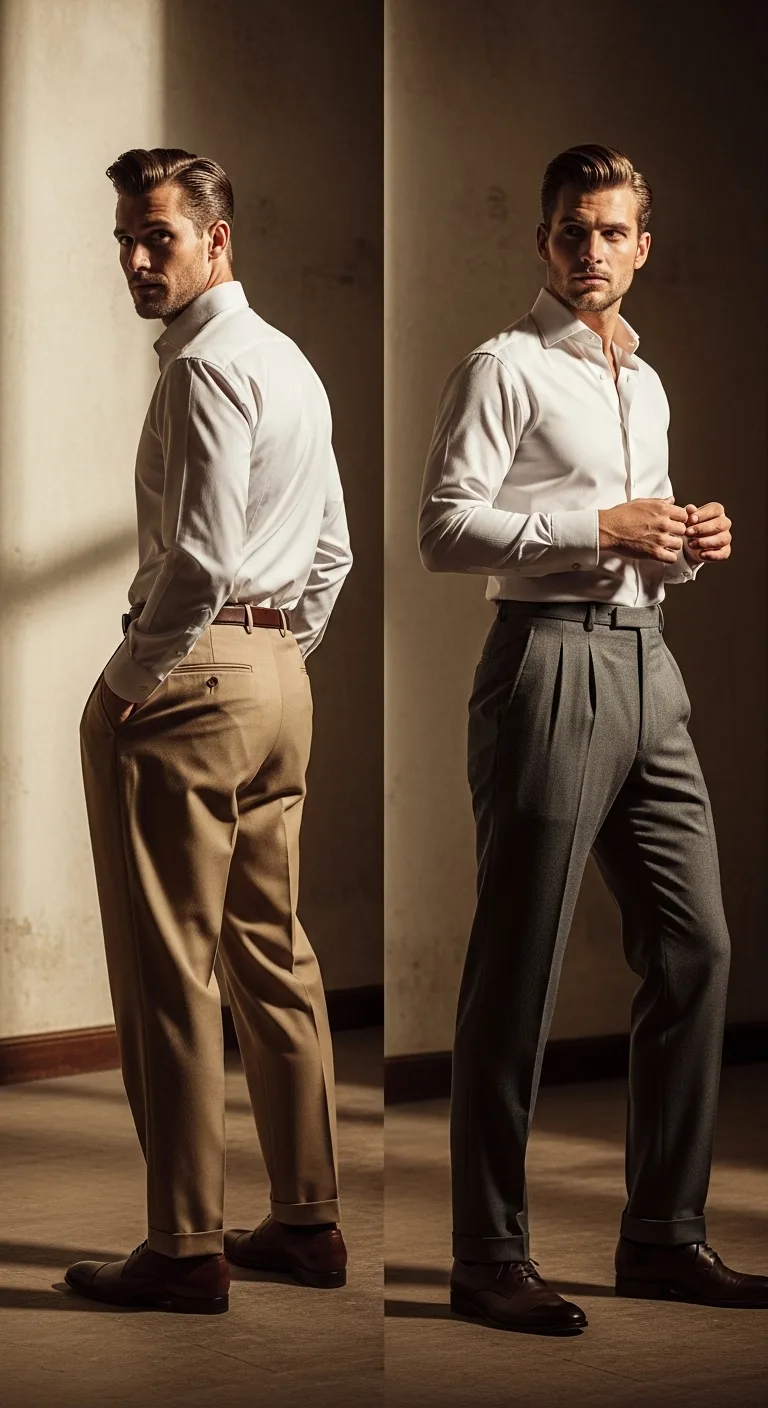
Pleated trousers have a long history, tracing back to the early 20th century. They became particularly popular in the 1920s and 1930s, often seen in formal and business attire.
The pleats, which are folds sewn into the front of the trousers, were originally designed to add extra room around the hips and thighs, making movement easier and offering a more comfortable fit for men of various body shapes.
In the 1980s and 1990s, pleated pants saw a resurgence in corporate and formal wear, often styled with a high waist.
Modern pleated pants, however, have evolved with slimmer cuts and subtle pleats, making them versatile for both professional and casual occasions.
Flat Front Pants
Flat front pants, on the other hand, are a more contemporary invention. They became popular post-World War II, especially in the 1950s and 1960s, when men began favoring sleeker, streamlined silhouettes.
Flat front pants are characterized by a smooth front without pleats, creating a clean, minimalist look that emphasizes a straight, narrow line from the waist to the hem.
Today, flat front trousers are a staple in modern men’s fashion, favored for their versatility and ability to pair with both casual and formal attire.
Key Differences Between Pleated and Flat Front Pants
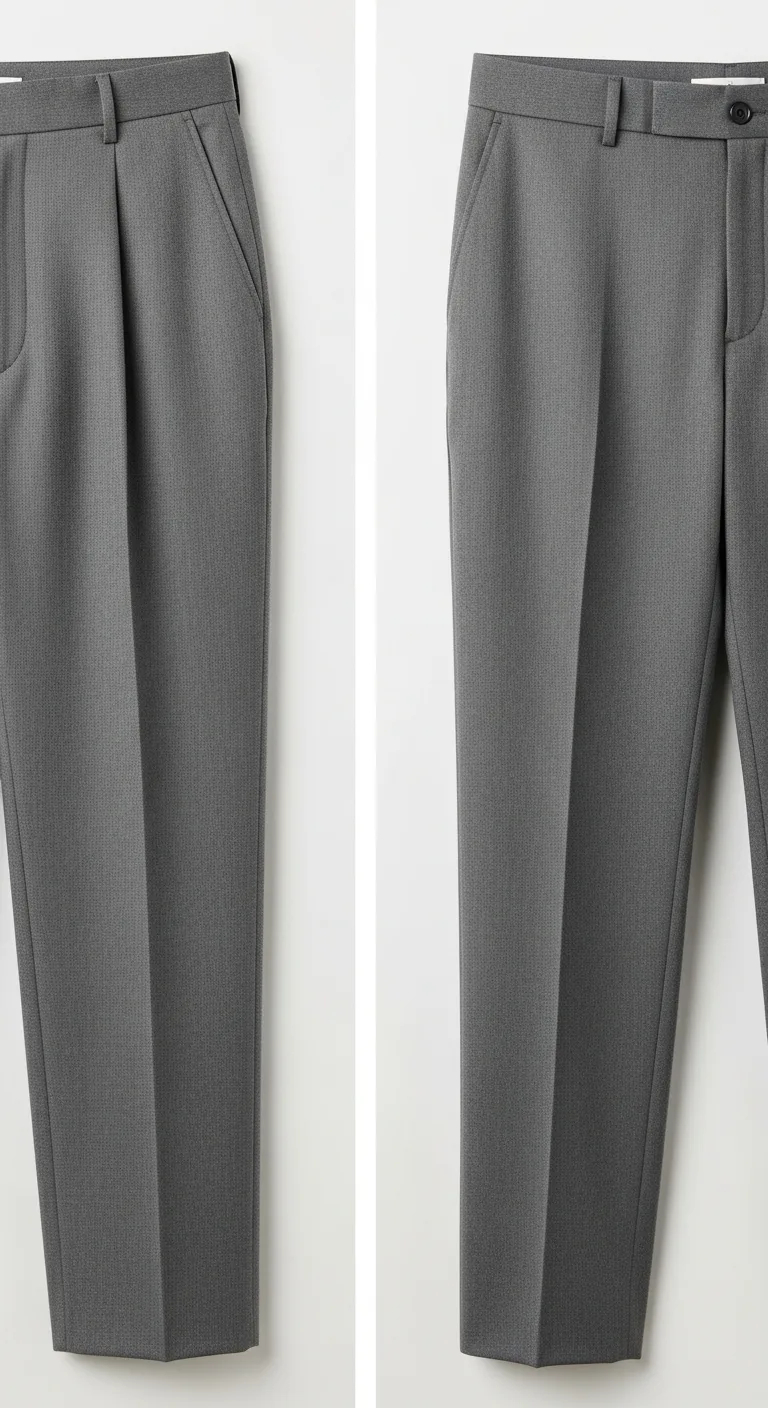
At first glance, pleated and flat front pants may seem like a subtle difference, but their impact on style, comfort, and fit is significant. Let’s break it down.
1. Appearance
- Pleated Pants: These feature one or more folds (pleats) at the waistband. They create a slightly more formal, traditional look, and add volume around the hips and thighs. Depending on the number of pleats, they can give a classic, sophisticated aesthetic.
- Flat Front Pants: These have a smooth, unbroken front panel. They create a clean, modern, and slim silhouette, making them ideal for contemporary fashion. Flat front pants generally look less bulky and emphasize a leaner appearance.
2. Fit and Comfort
- Pleated Pants: Pleats provide extra room in the seat and thigh area, which can be more comfortable for men with larger thighs or a fuller build. This design allows for easier movement, sitting, and bending.
- Flat Front Pants: These pants tend to be slimmer and closer-fitting. They are ideal for men with a slimmer build, as they can create a streamlined silhouette without excess fabric. However, they may feel restrictive if you have muscular thighs or prefer extra room.
3. Body Type Considerations
Choosing between pleated and flat front pants often comes down to body shape:
- Pleated Pants: Work well for men with a larger midsection or muscular thighs. The pleats prevent the pants from feeling tight and can create a more balanced proportion. They can also add some volume to slimmer men who want to create the illusion of a fuller lower body.
- Flat Front Pants: Best suited for slimmer men or those with a lean build. The smooth front elongates the legs and creates a slim, sharp appearance. They can make a broader man’s waist and thighs look tighter, which can sometimes feel restrictive.
4. Waist Height
- Pleated Pants: Often feature a higher waistline, which enhances comfort and complements traditional or business attire. The higher rise can also elongate the legs visually, balancing a shorter torso.
- Flat Front Pants: Typically sit slightly lower on the waist, aligning with modern fashion trends. They pair well with casual or semi-formal outfits and are ideal for tucking in shirts neatly.
Styling Pleated Pants
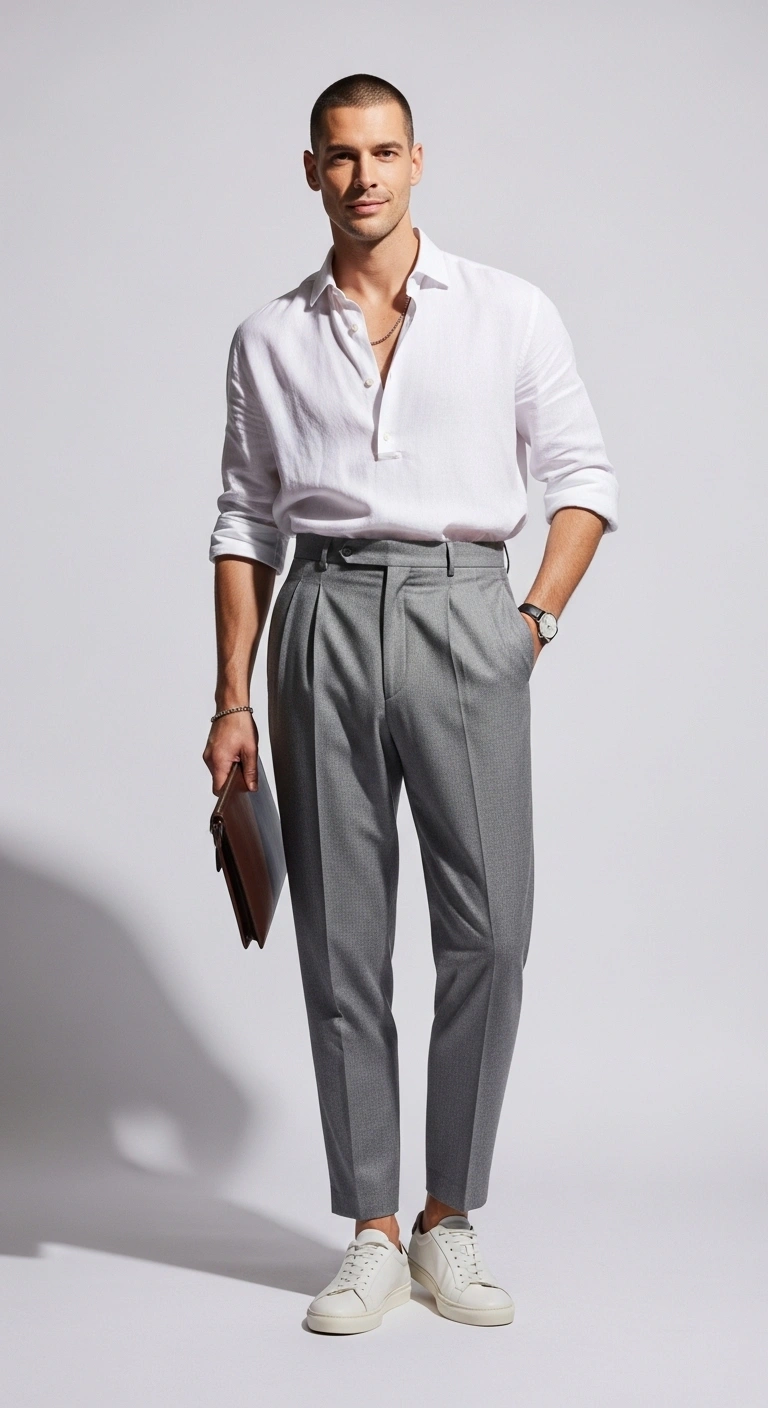
Pleated pants can be surprisingly versatile when styled correctly.
1. Formal and Business Settings
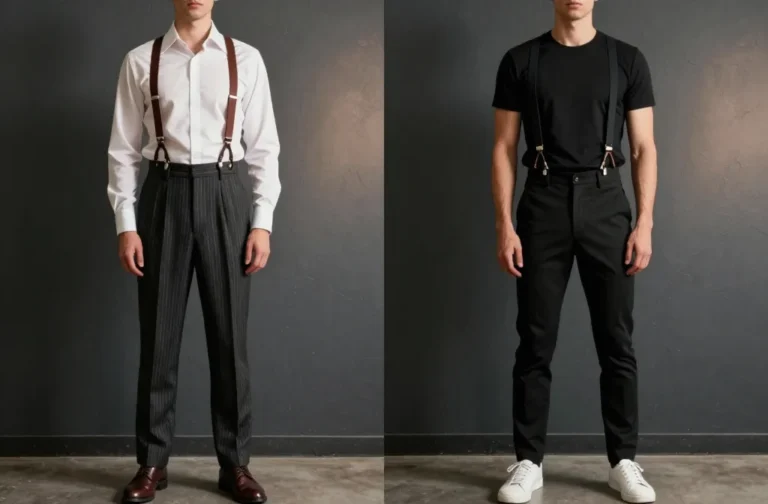
Pleated trousers are a classic choice for office wear, especially when paired with a tailored blazer or suit jacket. Opt for subtle pleats, ideally one or two, to avoid an overly bulky look.
- Pair with a crisp dress shirt and leather belt.
- Stick to neutral colors like navy, gray, or black for a professional appearance.
2. Casual and Smart Casual Looks
You can dress down pleated pants by pairing them with casual items:
- A fitted polo or t-shirt tucked in.
- Loafers, sneakers, or ankle boots depending on the occasion.
- Consider rolled cuffs to modernize the look for weekend wear.
3. Modern Pleated Pants Trends
Modern pleated pants often feature slimmer pleats and are tapered at the ankle, creating a blended style between classic and contemporary. High-waist pleated pants with a tapered leg can look fashionable without sacrificing comfort.
Styling Flat Front Pants
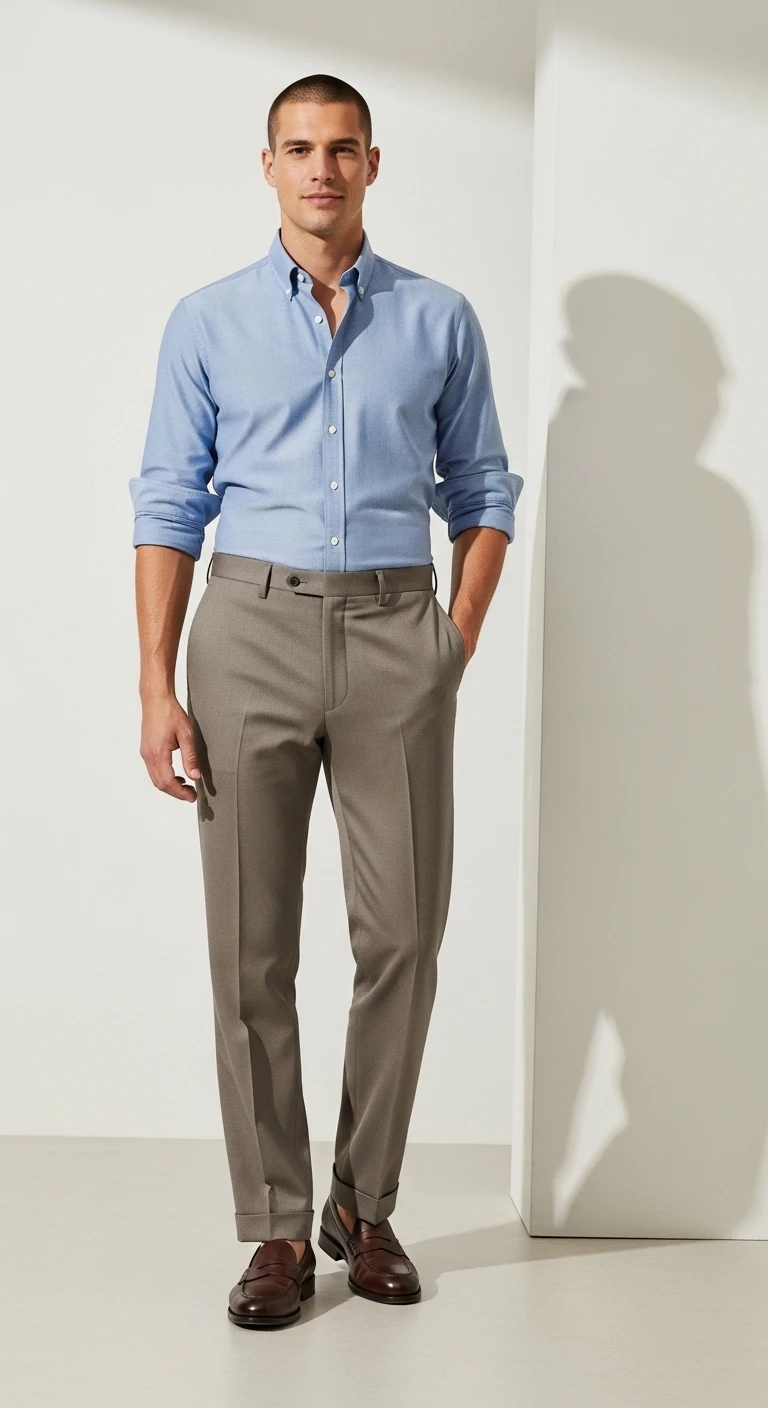
Flat front pants are all about streamlined simplicity and versatility.
1. Professional and Office Wear
Flat front trousers are a go-to for modern business attire:
- Pair with a fitted dress shirt and blazer.
- Opt for slim-fit shoes like oxfords or derbies.
- Stick to classic colors for a minimal, polished appearance.
2. Casual and Everyday Wear
Flat front pants work well for casual settings because of their clean lines:
- Pair with a tucked-in polo, t-shirt, or sweater.
- Chinos and khakis with a flat front are excellent for weekend outings.
- Straight or slim-leg cuts can be paired with sneakers for a relaxed vibe.
3. Modern Trends
Modern fashion favors tailored flat front pants, often with a slight taper. Cropped flat front trousers are also popular for a contemporary, urban style.
Pros and Cons of Pleated Pants
Pros
- Extra room for comfort, especially in the thighs and hips.
- Can balance proportions for certain body types.
- Classic, traditional, and formal aesthetic.
Cons
- Can look outdated if the pleats are too pronounced.
- May add bulk to slimmer builds.
- Requires careful tailoring to avoid a baggy appearance.
Pros and Cons of Flat Front Pants
Pros
- Sleek and modern appearance.
- Versatile for both casual and formal occasions.
- Creates a slim, elongated silhouette.
Cons
- Can feel restrictive for men with larger thighs.
- Less forgiving if weight fluctuates.
- May appear too plain if not paired with well-fitted tops.
Choosing the Right Pants for Your Body Type
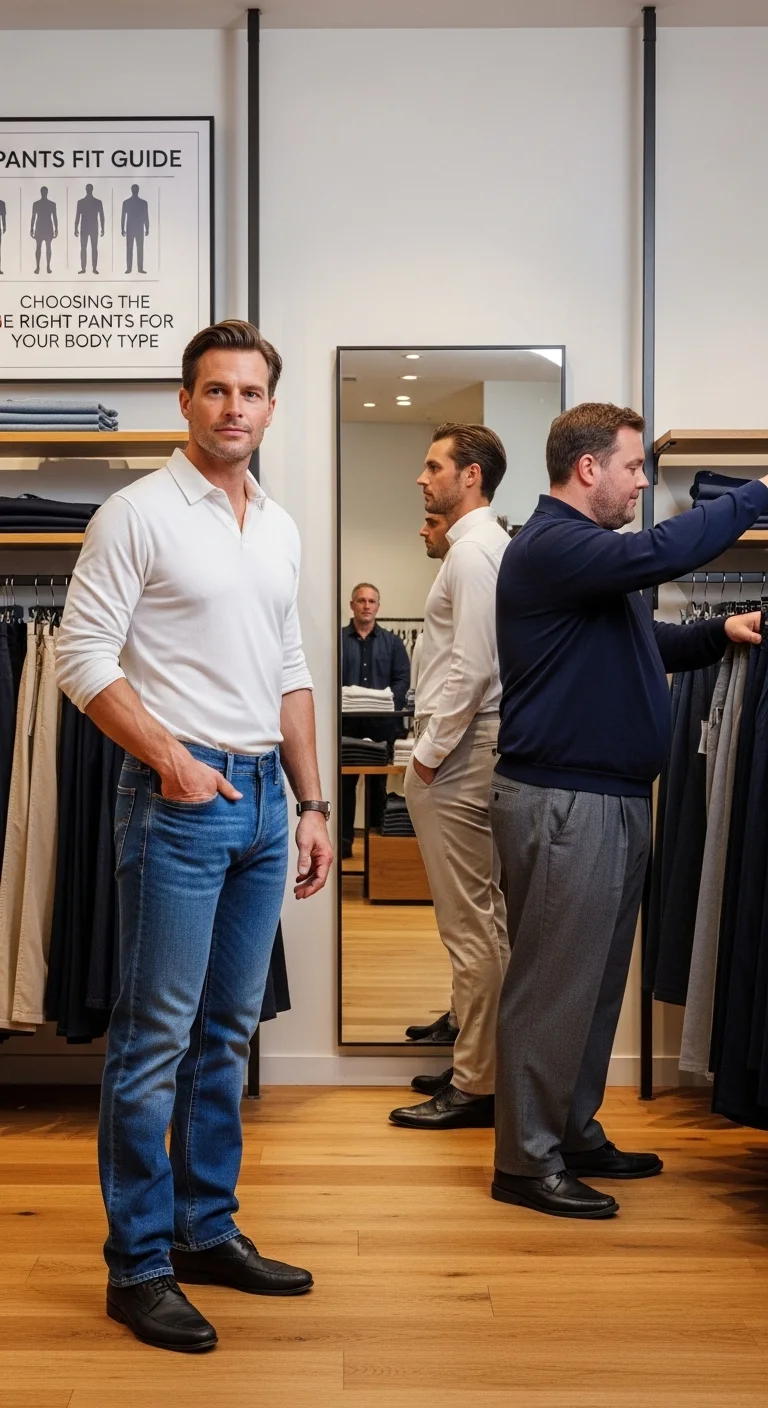
Selecting between pleated and flat front pants ultimately comes down to body shape and personal style preference.
- Slim or athletic build: Flat front pants create a clean, slim profile. Pleats may add unnecessary bulk.
- Fuller hips and thighs: Pleated pants provide comfort and a more proportionate look. Flat fronts may feel restrictive.
- Shorter men: Flat front pants can elongate the legs, while high-waisted pleats can also create the illusion of height.
- Taller men: Both styles work, but pleats add a classic touch while flat fronts offer modern sophistication.
Fabric and Material Considerations
The material of your pants can also affect the fit and look of pleated or flat front designs.
- Wool: Classic choice for pleated or flat front formal trousers. Offers structure and drape.
- Cotton/Chinos: Common for flat front casual pants. Lightweight and breathable.
- Linen: Great for summer; works best with flat front trousers to avoid excessive fabric bulk.
- Blends: Stretch fabrics with polyester or elastane offer comfort for slim-fit flat front pants.
Maintenance Tips
- Ironing: Pleated pants require careful ironing along the folds to maintain their structure. Flat front pants are easier to press due to their smooth surface.
- Storage: Hang pants on a hanger to avoid wrinkles. Use clip hangers for pleated pants to preserve the crease.
- Washing: Follow fabric-specific care. Wool trousers often require dry cleaning, while cotton and blends can usually be machine-washed.
Modern Fashion Trends
- Slim Pleated Pants: Contemporary pleated pants are tapered and slim, bridging the gap between classic and modern styles.
- Cropped Flat Front Trousers: Popular among urban fashion enthusiasts, especially with sneakers or loafers.
- High-Waist Revival: Pleated pants with a higher waistline are making a comeback in retro-inspired fashion.
Final Thoughts
Both pleated and flat front pants have their place in a modern man’s wardrobe. Pleated trousers offer comfort, classic style, and a sophisticated silhouette for formal or professional settings.
Flat front pants provide a sleek, modern look suitable for almost any occasion, from casual to business settings.
The choice ultimately comes down to body type, comfort preference, and style goals. A well-curated wardrobe will ideally include both styles, allowing versatility and adaptability to suit any occasion.
By understanding the differences and learning how to style them, you can confidently select the right trousers that complement your body shape, fit your lifestyle, and elevate your overall style.