
The Science Behind Color Choices in Men’s Fashion

Color is one of the most powerful yet overlooked elements of men’s fashion. While fit, fabric, and style often receive the most attention, color has the ability to influence perceptions, communicate personality, and even affect emotions.
Whether you’re dressing for a job interview, a first date, a business meeting, or a casual weekend outing, the colors you wear can send messages before you say a single word.
The science behind color choices in men’s fashion combines psychology, cultural influences, biology, and visual perception.
Understanding how colors work can help men make smarter wardrobe decisions that enhance confidence, improve first impressions, and create a more polished personal style.
In this article, we’ll explore the fascinating science behind color choices in men’s fashion and learn how different colors impact appearance, mood, and social interactions.
Why Color Matters in Fashion
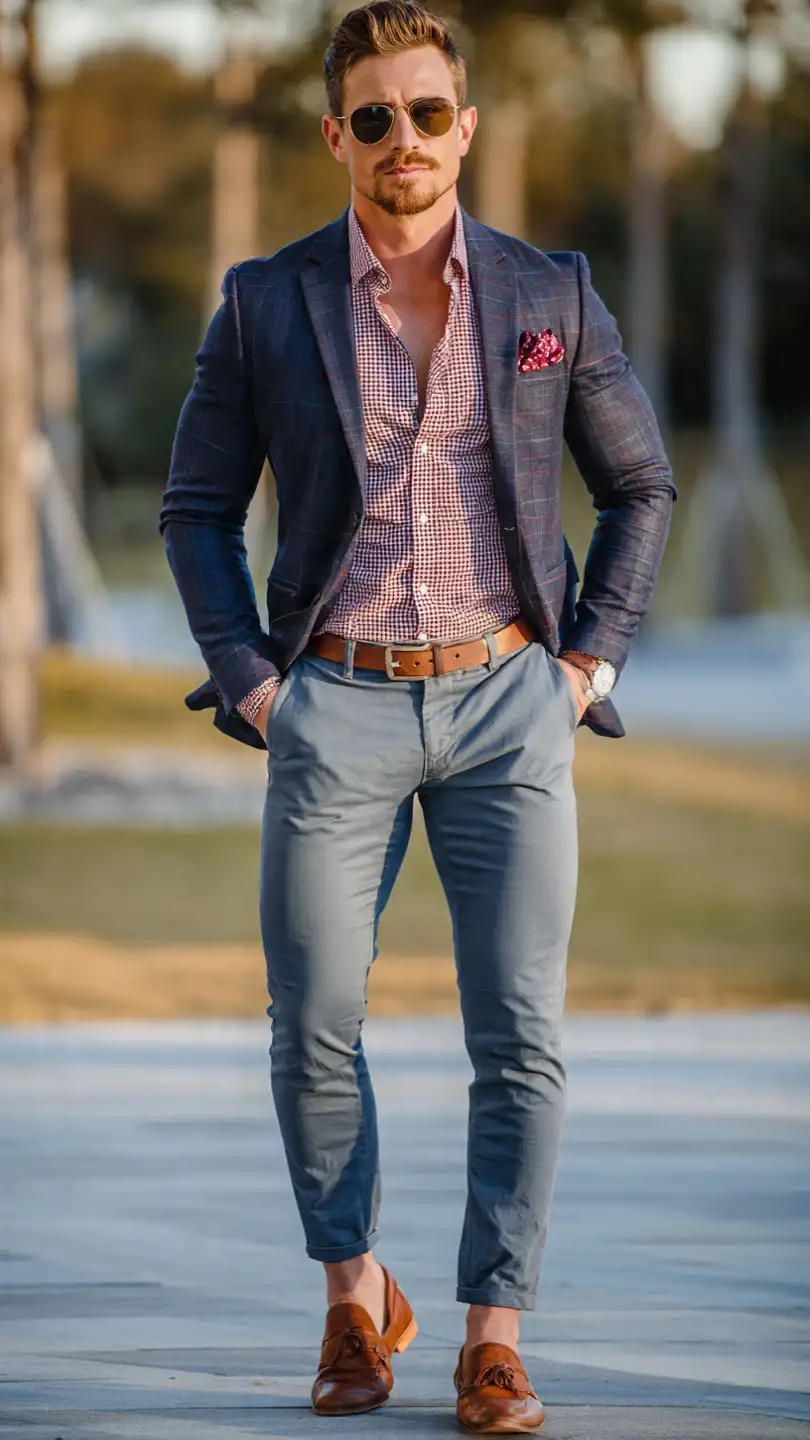
Human beings process visual information incredibly fast. Research suggests that people form first impressions within seconds of meeting someone, and color plays a major role in that assessment.
Before someone notices the details of your outfit, they often subconsciously register its colors. These colors influence perceptions regarding:
- Confidence
- Professionalism
- Trustworthiness
- Authority
- Creativity
- Friendliness
- Sophistication
Because color communicates nonverbally, it becomes an essential tool for expressing personal style and achieving specific fashion goals.
A well-chosen color palette can elevate even a simple outfit, while poor color combinations can diminish the impact of expensive clothing.
The Psychology of Colors
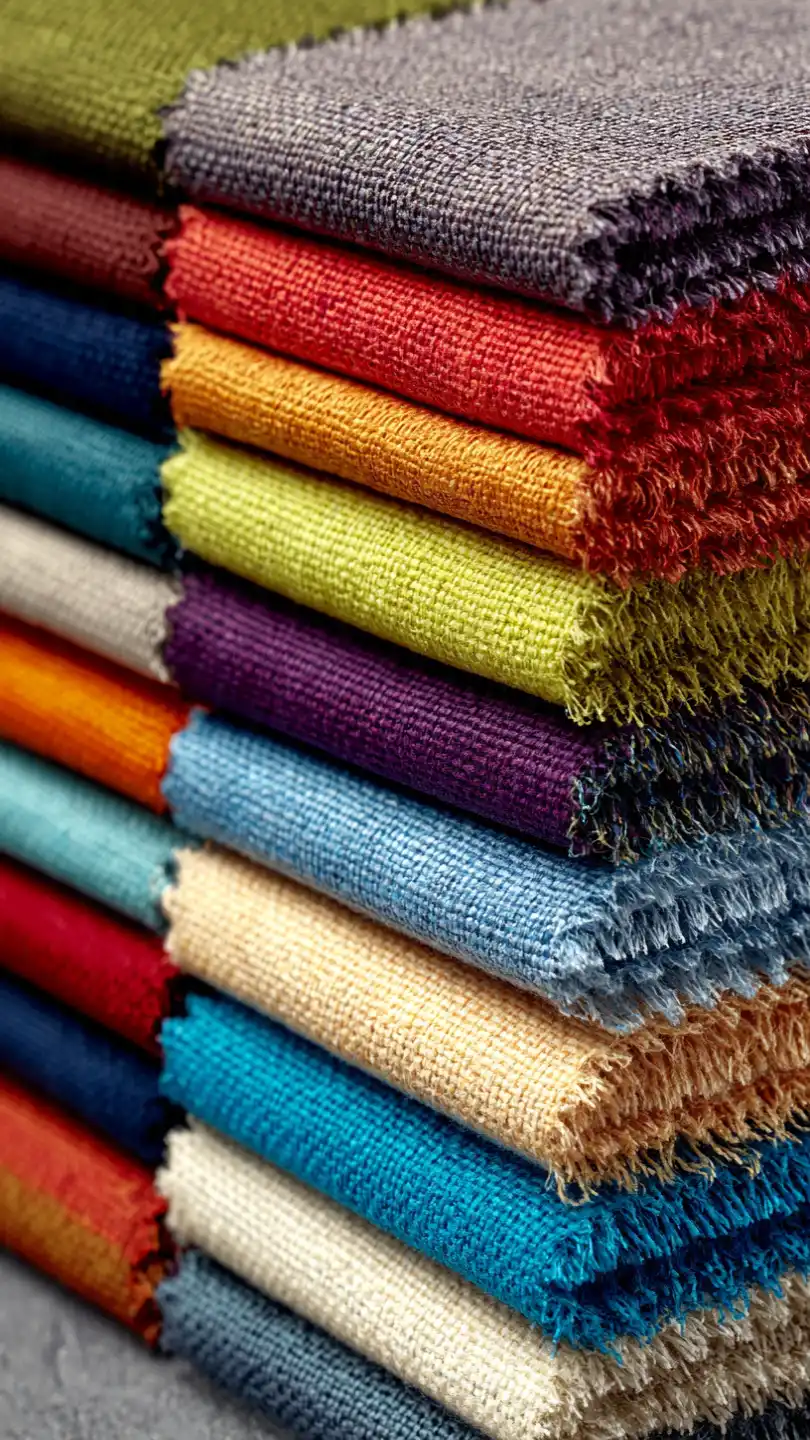
Color psychology studies how colors influence human behavior and emotional responses. Although reactions can vary based on culture and personal experiences, certain color associations remain surprisingly consistent.
Blue: The Color of Trust and Confidence
Blue is often considered the safest and most versatile color in men’s fashion.
Psychologically, blue is associated with:
- Trust
- Stability
- Intelligence
- Reliability
- Calmness
This explains why many corporate uniforms, business suits, and professional branding materials prominently feature blue.
A navy suit communicates authority without appearing intimidating. Light blue shirts create a friendly and approachable appearance, making them ideal for workplaces and social settings alike.
For men building a wardrobe, blue should serve as a foundational color because it works across nearly every occasion.
Black: Power, Elegance, and Mystery
Black remains one of the most popular colors in men’s fashion for good reason.
It is commonly associated with:
- Authority
- Sophistication
- Luxury
- Power
- Formality
Black clothing often creates a slimming effect because darker colors absorb light rather than reflecting it.
A black suit, leather jacket, or pair of dress shoes can instantly add refinement to an outfit. However, wearing excessive black may sometimes appear overly serious or unapproachable.
The key is balancing black with lighter colors to maintain visual interest.
White: Simplicity and Cleanliness
White symbolizes:
- Purity
- Cleanliness
- Simplicity
- Freshness
- Precision
A crisp white shirt remains one of the most versatile garments in men’s fashion because it pairs well with virtually every color.
White also reflects light, making it ideal for warmer seasons and daytime events.
Because white highlights stains and wrinkles more easily than darker colors, it subconsciously communicates attention to detail when worn properly.
Gray: Professional and Balanced
Gray represents neutrality and balance.
Common associations include:
- Professionalism
- Maturity
- Intelligence
- Reliability
Gray serves as an excellent bridge color because it complements both warm and cool tones.
Charcoal gray suits are often favored in professional settings because they project competence while appearing less formal than black.
Gray is particularly valuable for creating sophisticated, minimalist wardrobes.
Red: Energy and Attention
Red is among the most psychologically powerful colors.
It often signifies:
- Passion
- Strength
- Confidence
- Energy
- Dominance
Studies have shown that red can increase perceived attractiveness and draw attention more effectively than many other colors.
In men’s fashion, red works best as an accent color through ties, pocket squares, sneakers, or statement pieces.
Too much red can feel overwhelming, but strategic use creates impact and confidence.
Green: Growth and Balance
Green is closely connected to nature and relaxation.
It symbolizes:
- Harmony
- Stability
- Growth
- Freshness
- Renewal
Earthy greens such as olive, sage, and forest green have become increasingly popular in men’s fashion because they offer versatility while adding character.
Green pairs particularly well with navy, brown, beige, and gray.
Brown: Warmth and Dependability
Brown conveys:
- Reliability
- Comfort
- Strength
- Warmth
- Authenticity
Historically associated with rugged outdoor lifestyles, brown remains a staple in men’s casual and smart-casual wardrobes.
Leather boots, jackets, belts, and accessories frequently utilize brown because it creates a timeless and masculine appearance.
Yellow and Orange: Creativity and Optimism
Bright colors like yellow and orange communicate:
- Enthusiasm
- Creativity
- Energy
- Positivity
While less common in traditional menswear, these colors can add personality to casual outfits.
Because they naturally attract attention, they’re often best used in moderation through accessories or seasonal pieces.
The Science of Color Perception
The way humans perceive color is rooted in biology.
Specialized cells in the eyes called cones detect different wavelengths of light. These signals are processed by the brain, creating the experience of color.
Interestingly, color perception isn’t entirely objective. Factors such as:
- Lighting conditions
- Skin tone
- Surrounding colors
- Cultural background
- Emotional state
can all influence how colors appear and are interpreted.
This explains why a shirt may look different indoors versus outdoors or why certain colors appear more flattering on some individuals.
How Color Affects First Impressions
Research consistently shows that clothing color influences social judgments.
People often make assumptions regarding:
- Competence
- Leadership ability
- Friendliness
- Trustworthiness
- Social status
For example:
- Navy and charcoal often suggest professionalism.
- Black may indicate authority.
- White communicates cleanliness.
- Bright colors suggest creativity.
- Earth tones create approachability.
These impressions occur rapidly and largely on a subconscious level.
Understanding these effects allows men to intentionally align their clothing choices with their goals.
Choosing Colors Based on Skin Tone
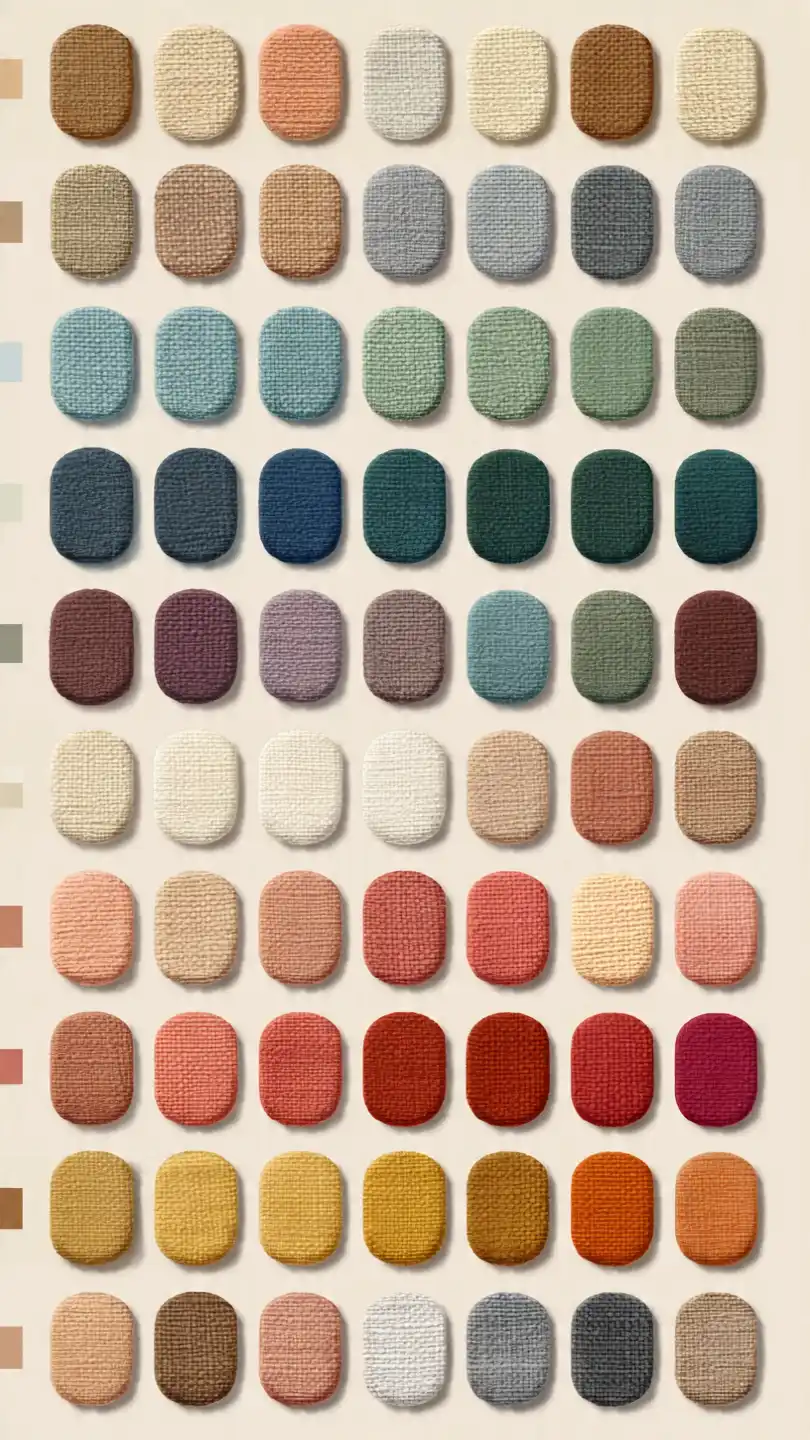
One of the most practical applications of color science involves selecting colors that complement natural skin tone.
Cool Undertones
Men with cool undertones often have:
- Pink or reddish skin hues
- Blue-toned veins
- Silver jewelry preference
Recommended colors include:
- Navy
- Gray
- Blue
- Emerald green
- Burgundy
- Purple
These colors enhance natural complexion and create visual harmony.
Warm Undertones
Warm undertones typically feature:
- Golden skin hues
- Greenish veins
- Preference for gold jewelry
Ideal colors include:
- Olive
- Brown
- Camel
- Mustard
- Rust
- Warm beige
These shades reinforce warmth and vitality.
Neutral Undertones
Neutral undertones can generally wear both warm and cool colors effectively.
This flexibility allows greater experimentation with color combinations and seasonal trends.
Seasonal Color Choices
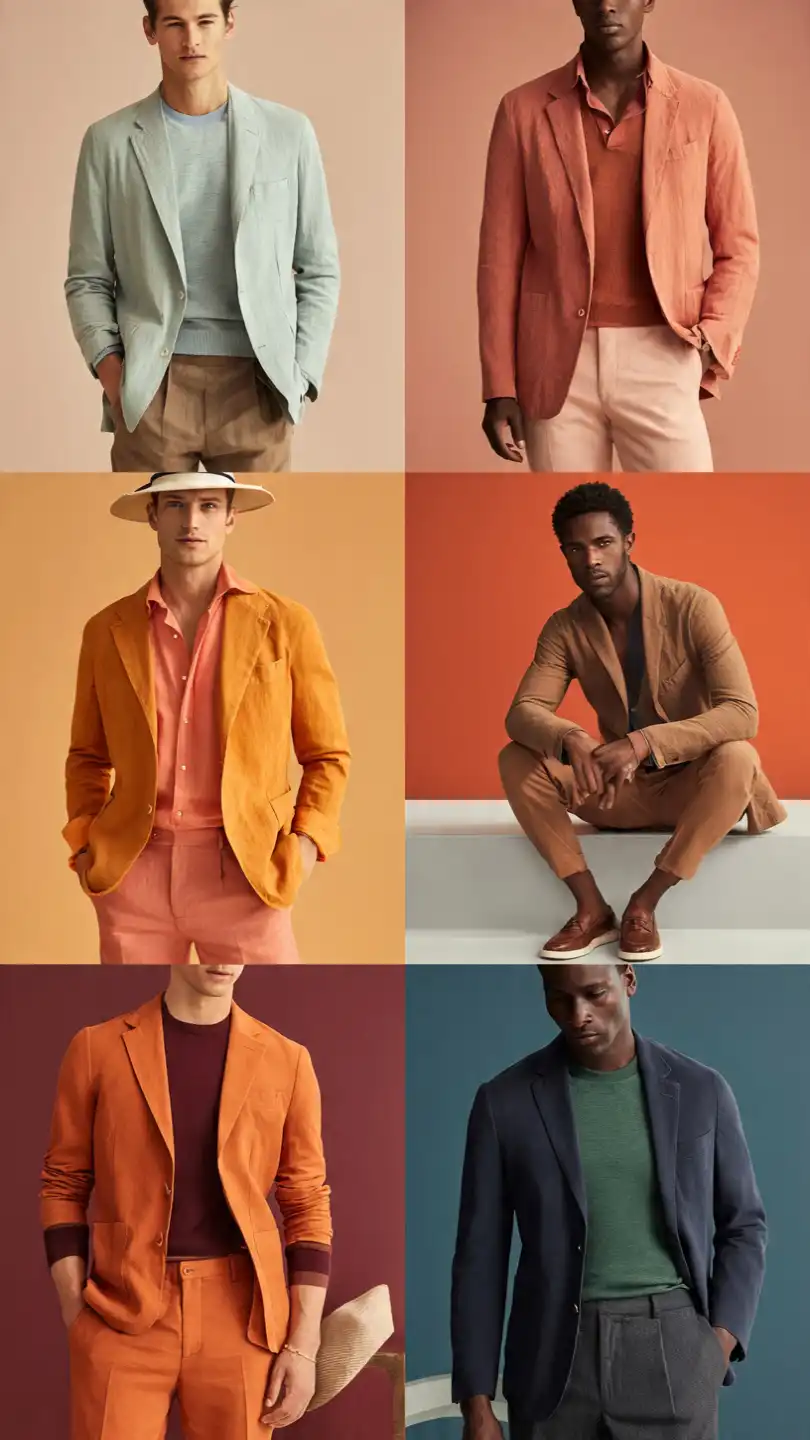
Color preferences often shift throughout the year.
Spring
Spring wardrobes commonly feature:
- Light blue
- Sage green
- Soft pink
- Cream
- Khaki
These colors reflect renewal and freshness.
Summer
Summer favors:
- White
- Sky blue
- Beige
- Light gray
- Pastel shades
Lighter colors reflect heat and create a relaxed appearance.
Autumn
Fall introduces richer tones such as:
- Olive green
- Rust
- Burgundy
- Camel
- Chocolate brown
These colors mirror natural seasonal landscapes.
Winter
Winter wardrobes often rely on:
- Black
- Navy
- Charcoal
- Deep green
- Dark burgundy
Darker shades provide depth and sophistication during colder months.
The Role of Contrast in Style
Color selection isn’t just about individual shades. Contrast significantly impacts visual appeal.
High Contrast
Examples:
- Black and white
- Navy and white
- Dark charcoal and light blue
High-contrast combinations create:
- Strong visual impact
- Sharp appearance
- Increased attention
Low Contrast
Examples:
- Beige and cream
- Gray and light blue
- Olive and tan
Low-contrast outfits create:
- Softer aesthetics
- Relaxed sophistication
- Modern minimalism
Understanding contrast helps create balanced and intentional outfits.
Color Coordination Principles
Successful outfits often follow basic color theory principles.
Monochromatic
Using variations of one color.
Example:
- Navy blazer
- Medium-blue shirt
- Dark blue trousers
This creates a cohesive and elegant look.
Analogous Colors
Colors positioned next to each other on the color wheel.
Example:
- Blue
- Blue-green
- Green
These combinations feel naturally harmonious.
Complementary Colors
Colors opposite each other on the wheel.
Example:
- Blue and orange
- Green and red
Used carefully, complementary colors create striking visual interest.
Neutral Foundations
Many stylish wardrobes rely on neutral base colors:
- Black
- White
- Gray
- Navy
- Beige
These colors allow easier mixing and matching while maintaining versatility.
Cultural Influences on Color Meaning
Color symbolism varies across cultures.
For example:
- White symbolizes purity in many Western cultures.
- Red often represents luck and prosperity in parts of Asia.
- Black can signify sophistication or mourning depending on context.
Men who travel internationally or work in multicultural environments may benefit from understanding these differences.
How Brands Use Color Psychology
Fashion brands carefully select colors to communicate identity.
Luxury brands often use:
- Black
- Gold
- White
Outdoor brands frequently choose:
- Green
- Brown
- Earth tones
Athletic brands often utilize:
- Red
- Orange
- Electric blue
These choices influence customer perceptions and emotional responses.
Men can apply similar principles when building personal brands through clothing.
Building a Color-Conscious Wardrobe
A practical wardrobe doesn’t require every color.
Instead, start with versatile foundations:
Core Colors
- Navy
- Gray
- White
- Black
- Beige
Secondary Colors
- Olive
- Burgundy
- Brown
- Light blue
Accent Colors
- Red
- Orange
- Yellow
- Purple
This structure creates flexibility while maintaining visual consistency.
Common Color Mistakes Men Make
Ignoring Skin Tone
A trendy color may not always be flattering.
Choosing shades that complement complexion generally produces better results.
Wearing Too Many Bright Colors
Multiple vibrant colors can compete for attention.
Balance bright pieces with neutral elements.
Forgetting Occasion Appropriateness
A neon hoodie may work at a festival but not during a business meeting.
Color choices should align with context.
Neglecting Seasonal Adjustments
Lighter colors often feel more appropriate in summer, while deeper tones suit autumn and winter.
The Future of Color in Men’s Fashion
As men’s fashion evolves, color experimentation continues to grow.
Traditional style rules have become more flexible, allowing greater use of:
- Pastels
- Bold colors
- Unexpected combinations
- Gender-neutral palettes
At the same time, scientific understanding of color psychology continues influencing design, marketing, and personal styling.
The modern man has more freedom than ever to use color strategically while expressing individuality.
Conclusion
The science behind color choices in men’s fashion extends far beyond aesthetics. Colors influence perception, emotions, confidence, and social interactions.
By understanding color psychology, biological perception, seasonal influences, and personal complexion, men can make smarter wardrobe decisions that enhance both style and self-expression.
Whether you’re choosing a navy suit for an important meeting, an olive jacket for a casual outing, or a crisp white shirt for versatility, every color sends a message.
Learning the science behind these choices allows you to dress with greater purpose and confidence.
Ultimately, the best color choices are those that not only look good but also align with your personality, goals, and lifestyle. When used intentionally, color becomes one of the most powerful tools in a man’s fashion arsenal.
