
The Ultimate Shoe Buying Guide: 7 Factors You Can’t Ignore
Buying the right pair of shoes is more than just picking something that looks good. The perfect pair should balance comfort, durability, style, and practicality—something many people overlook until they end up with sore feet or a worn-out pair after just a few months.
Whether you’re shopping for everyday sneakers, formal dress shoes, or something in between, understanding what truly matters can save you time, money, and frustration.
This ultimate shoe buying guide breaks down the 7 essential factors you can’t ignore so you can make smarter, more confident choices every time.
1. Comfort Comes First (Always)

No matter how stylish a shoe looks, if it’s uncomfortable, it’s not worth it.
Comfort should always be your top priority because you’ll likely spend hours wearing your shoes. Poorly fitted or uncomfortable footwear can lead to foot pain, blisters, posture issues, and even long-term health problems.
What to check:
- Cushioning in the sole
- Arch support
- Breathability of materials
- Flexibility of the shoe
Pro Tip:
Try shoes on in the evening. Your feet naturally swell throughout the day, so this gives you a more realistic fit.
2. The Right Fit Makes All the Difference
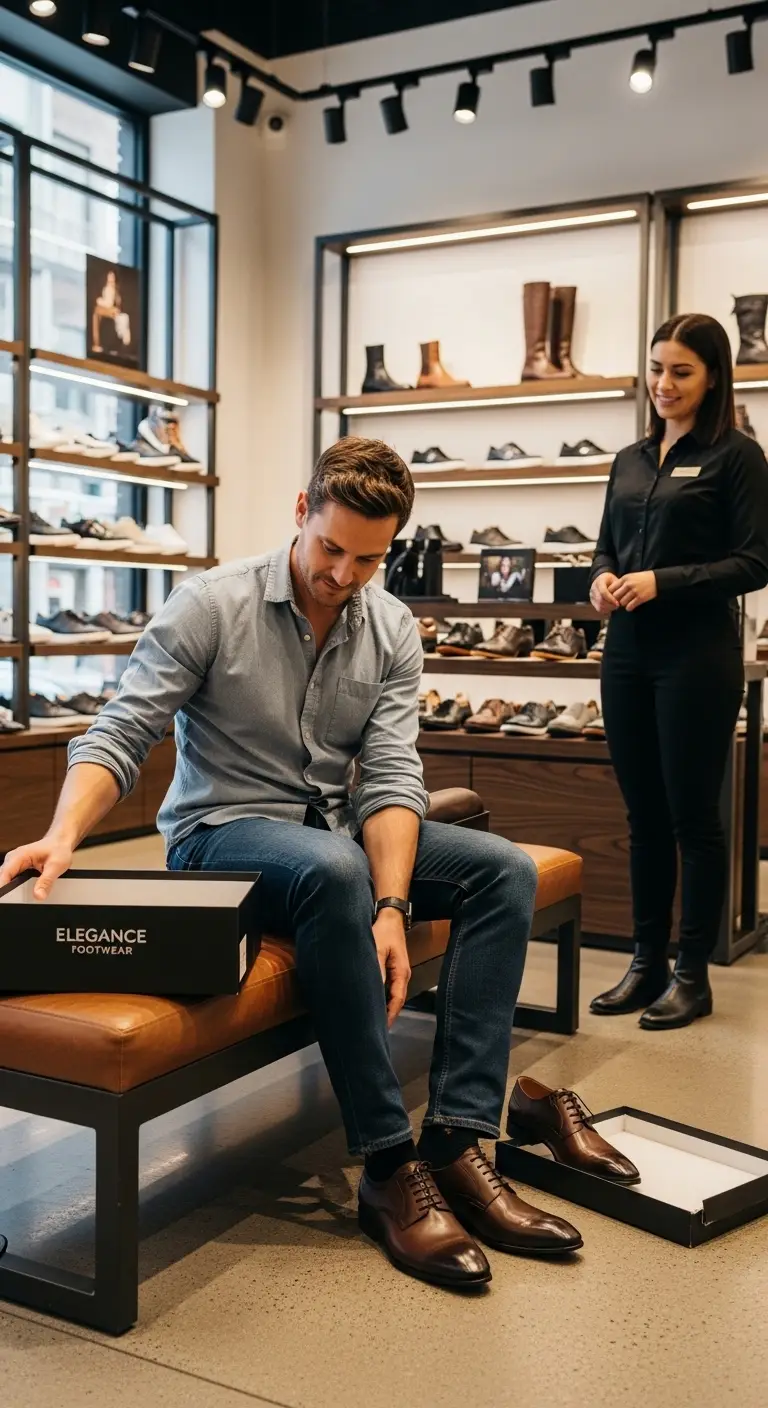
Many people wear the wrong shoe size without realizing it. A shoe that’s too tight or too loose can cause discomfort and even injuries.
Key fit tips:
- Leave about a thumb’s width of space in the toe box
- Ensure your heel doesn’t slip when walking
- Check width—not just length
- Walk around before deciding
Common mistake:
Buying shoes that are “almost right” thinking they’ll stretch over time. Not all materials stretch enough to fix a poor fit.
3. Know Your Purpose

Different shoes are designed for different activities. Wearing the wrong type of shoe for a specific purpose can reduce performance and cause discomfort.
Types of shoes and their uses:
- Running shoes – Lightweight, cushioned, shock absorption
- Formal shoes – Sleek, structured, minimal cushioning
- Casual sneakers – Everyday comfort and style
- Boots – Durability and protection
- Sports shoes – Activity-specific design
Ask yourself:
- Will I wear these daily?
- Are they for work, events, or sports?
- Do I need durability or flexibility?
4. Material Matters More Than You Think
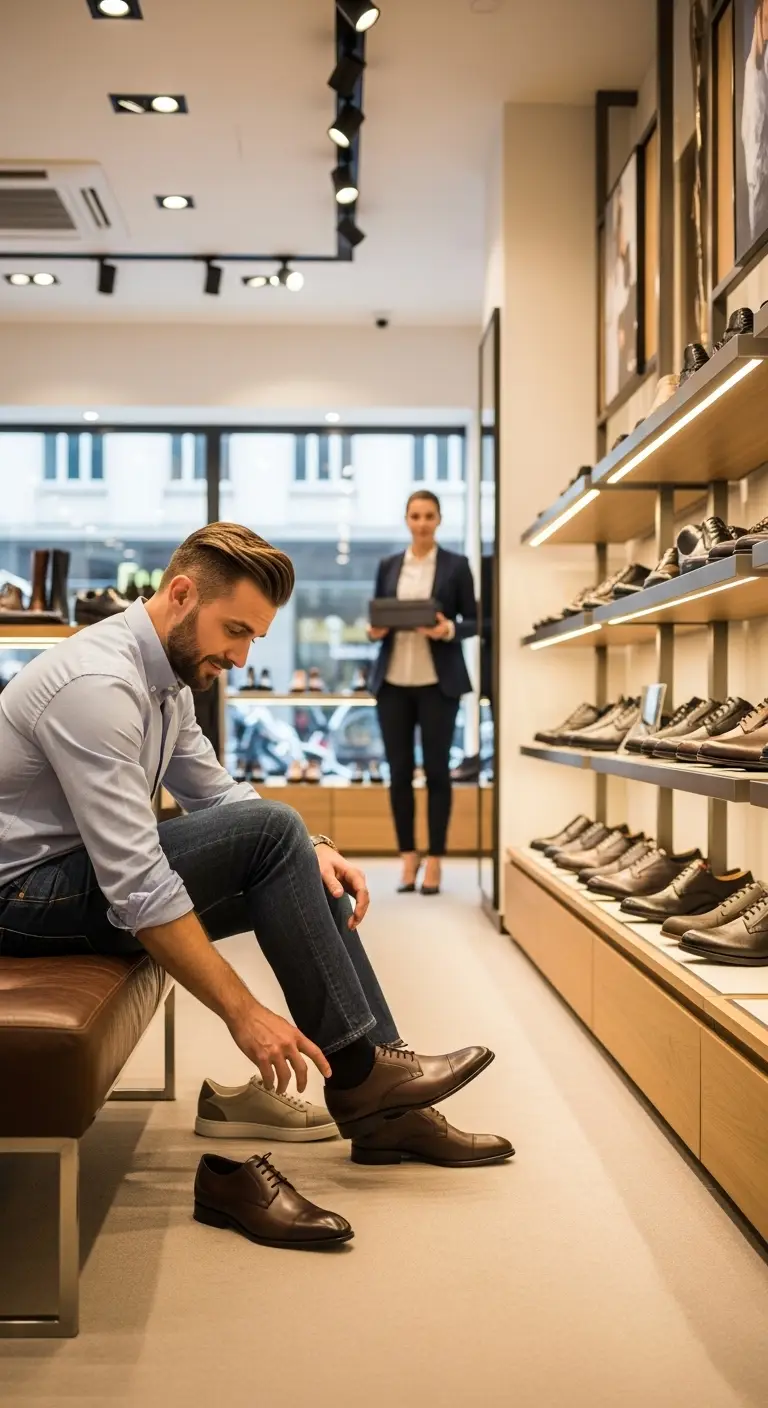
The material of a shoe affects comfort, durability, breathability, and overall appearance.
Common materials:
Leather
- Durable and stylish
- Molds to your foot over time
- Great for formal and semi-formal wear
Mesh/Fabric
- Lightweight and breathable
- Ideal for sports and summer use
Synthetic
- Budget-friendly
- Water-resistant options available
- Less breathable than natural materials
Suede
- Stylish but delicate
- Requires more maintenance
Quick tip:
If you live in a hot climate, go for breathable materials like mesh or knit fabrics.
5. Quality vs Price: Invest Smartly

Not all expensive shoes are high quality, and not all cheap shoes are bad—but generally, you get what you pay for.
How to spot quality:
- Strong stitching (no loose threads)
- Durable sole construction
- High-quality inner lining
- Reputable craftsmanship
Cost-per-wear mindset:
Instead of focusing only on price, think about how often you’ll wear the shoes. A slightly expensive pair that lasts years is better than a cheap pair that wears out in months.
6. Style & Versatility
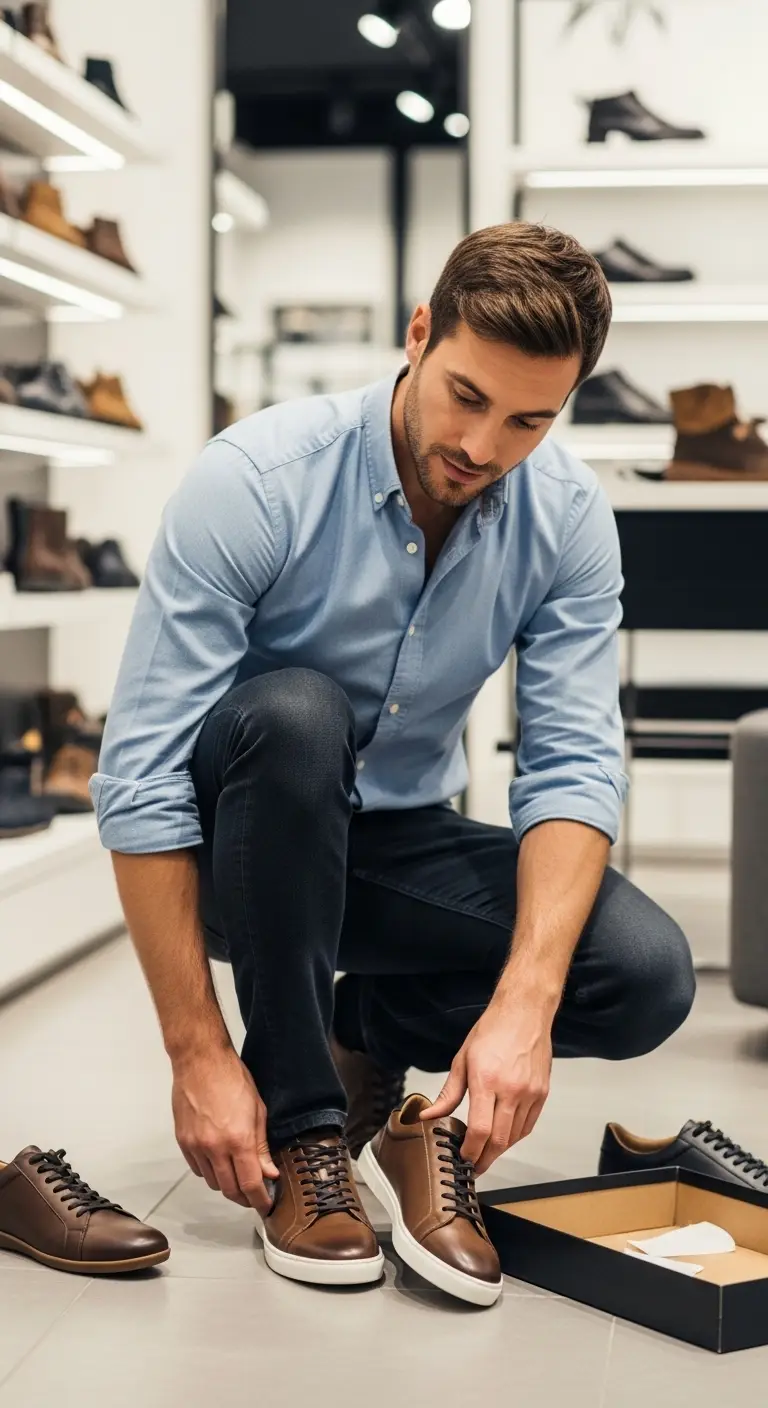
Shoes are a key part of your overall outfit. The right pair can elevate your entire look, while the wrong one can ruin it.
Build a versatile collection:
- White sneakers – Clean, minimal, go with almost everything
- Black formal shoes – Essential for professional settings
- Brown shoes – Great for smart-casual outfits
- Neutral tones – Easy to mix and match
Style tips:
- Match shoes with your belt (for formal wear)
- Keep colors simple for maximum versatility
- Avoid overly trendy designs unless you want short-term use
7. Durability & Maintenance
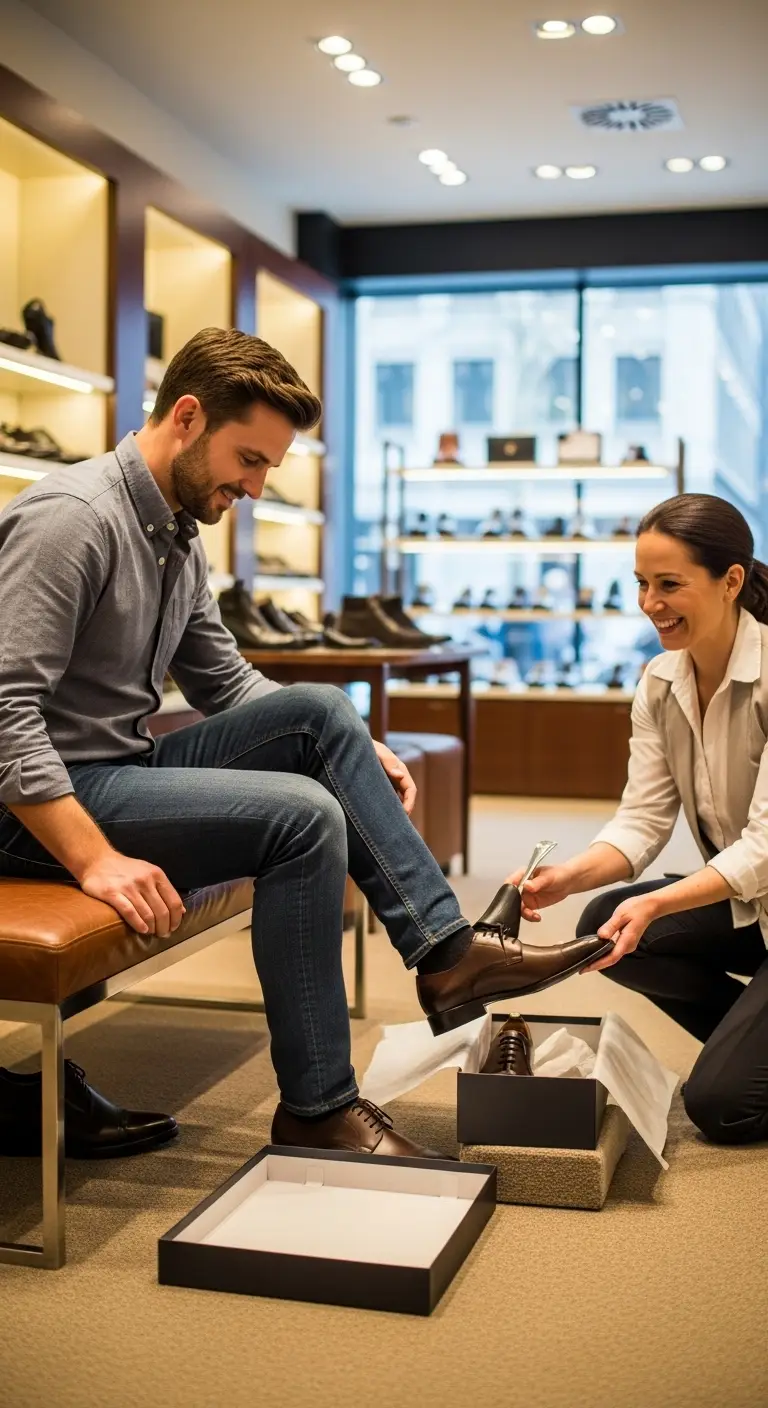
A good pair of shoes should last—but only if you take care of them.
What affects durability:
- Sole material (rubber vs leather)
- Frequency of use
- Weather conditions
- Maintenance habits
Maintenance basics:
- Clean regularly
- Store properly (use shoe trees for formal shoes)
- Avoid wearing the same pair every day
- Protect from water and dirt
Bonus tip:
Rotating between 2–3 pairs significantly increases their lifespan.
Common Mistakes to Avoid
Even experienced buyers make these mistakes. Avoiding them can instantly improve your shoe game.
- Buying based on looks only
- Ignoring comfort for brand names
- Choosing the wrong size
- Not considering usage
- Skipping quality checks
How to Choose the Perfect Shoe (Step-by-Step)
Here’s a quick checklist you can follow every time:
- Identify the purpose
- Choose the right size and fit
- Check comfort and support
- Evaluate material
- Inspect quality
- Consider style versatility
- Compare price vs value
Final Thoughts
Buying shoes doesn’t have to be confusing or overwhelming. Once you understand what truly matters—comfort, fit, purpose, material, quality, style, and durability—you can make smarter decisions and avoid costly mistakes.
The perfect pair of shoes isn’t just about looking good—it’s about feeling confident, comfortable, and prepared for wherever your day takes you.
Take your time, try before you buy, and always prioritize long-term value over short-term trends. Your feet will thank you.