
Sustainable Fashion: A Complete Beginner’s Guide

Fashion is one of the most exciting ways to express personality, creativity, and confidence. Every year, new trends emerge, encouraging people to update their wardrobes and experiment with different styles.
However, behind the glamour of the fashion industry lies a significant environmental and social impact that many consumers are only beginning to understand.
This growing awareness has led to the rise of sustainable fashion—a movement focused on creating clothing that respects both people and the planet.
Whether you’re completely new to the concept or simply curious about making more responsible fashion choices, this beginner’s guide will help you understand what sustainable fashion is, why it matters, and how you can incorporate it into your lifestyle.
What Is Sustainable Fashion?
Sustainable fashion refers to clothing, footwear, and accessories that are designed, produced, distributed, and consumed in ways that minimize environmental harm and promote ethical labor practices.
Unlike fast fashion, which prioritizes low costs and rapid production, sustainable fashion focuses on long-term value, quality, and responsibility.
The goal is to reduce waste, conserve resources, and ensure fair treatment of workers throughout the supply chain.
Sustainable fashion considers multiple factors, including:
- Environmentally friendly materials
- Ethical manufacturing practices
- Fair wages and safe working conditions
- Reduced waste and pollution
- Longer product lifespan
- Responsible consumption habits
In simple terms, sustainable fashion encourages buying better, using longer, and wasting less.
Why Sustainable Fashion Matters
The fashion industry is one of the largest industries in the world, but it also has a substantial environmental footprint.
Environmental Impact
Traditional clothing production often requires massive amounts of water, energy, and raw materials. Textile manufacturing can contribute to:
- Water pollution from chemical dyes
- Greenhouse gas emissions
- Excessive water consumption
- Textile waste in landfills
- Microplastic pollution from synthetic fabrics
Many garments are worn only a few times before being discarded, creating a cycle of overconsumption and waste.
Social Impact
Beyond environmental concerns, many fashion workers face poor working conditions, low wages, and unsafe environments. Sustainable fashion aims to improve labor standards and support ethical business practices.
By choosing sustainable options, consumers can help encourage better treatment of workers and more responsible manufacturing methods.
Fast Fashion vs. Sustainable Fashion
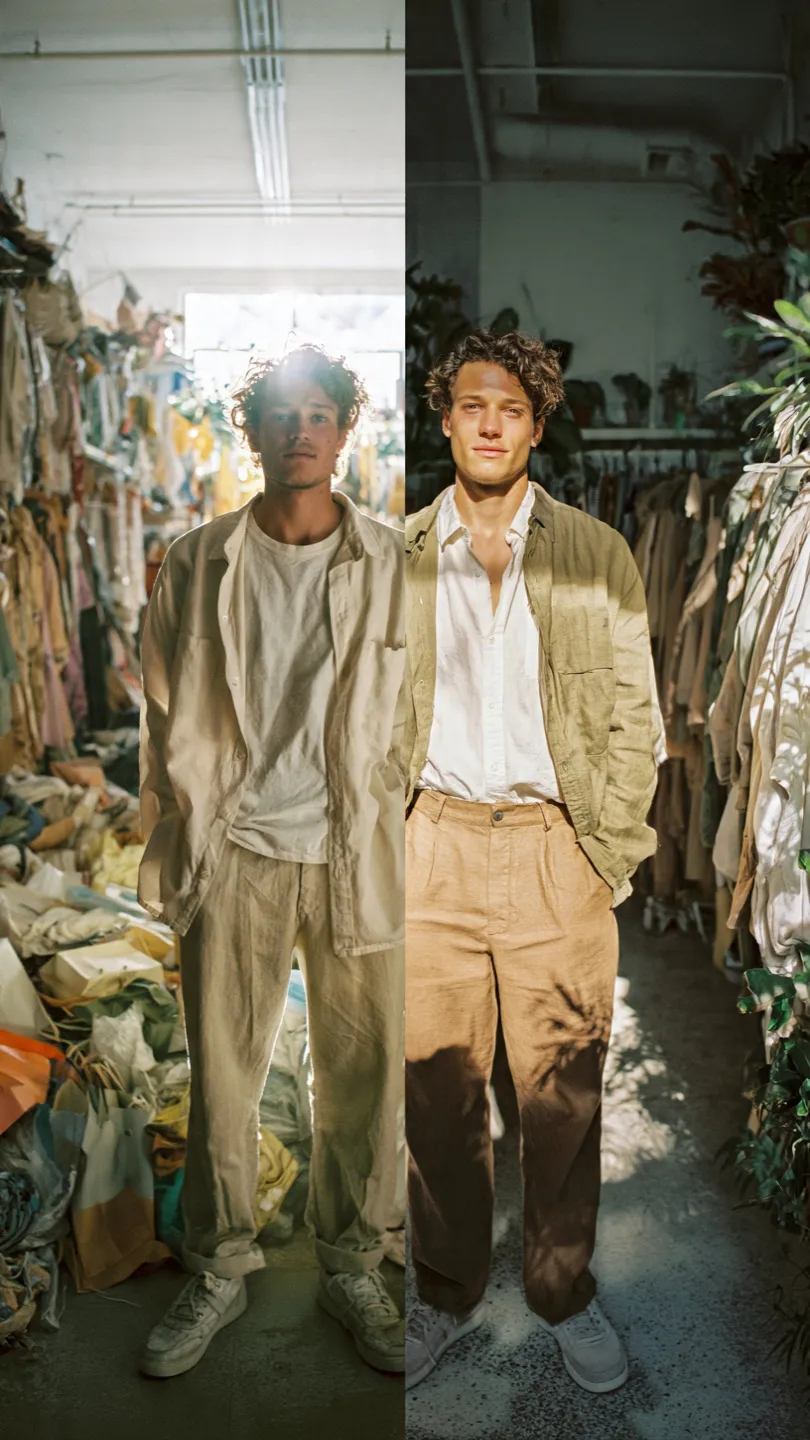
To understand sustainable fashion, it’s helpful to compare it with fast fashion.
Fast Fashion
Fast fashion brands quickly produce large quantities of trendy clothing at low prices. Their business model relies on encouraging consumers to buy frequently and replace items often.
Characteristics include:
- Low-cost clothing
- Rapid trend cycles
- Lower-quality materials
- High production volumes
- Significant environmental impact
Sustainable Fashion
Sustainable fashion emphasizes quality, durability, and responsible production.
Characteristics include:
- Longer-lasting garments
- Ethical manufacturing
- Eco-friendly materials
- Reduced waste
- Timeless designs
Instead of constantly chasing trends, sustainable fashion promotes thoughtful purchasing decisions.
Key Principles of Sustainable Fashion
Understanding the core principles can help you identify truly sustainable brands and practices.
1. Ethical Production
Ethical production ensures workers receive fair wages, safe working conditions, and reasonable working hours.
Brands committed to ethical manufacturing often provide transparency about where and how their products are made.
2. Eco-Friendly Materials
Many sustainable brands prioritize materials that have a lower environmental impact.
Examples include:
- Organic cotton
- Hemp
- Linen
- Recycled polyester
- Tencel (Lyocell)
- Bamboo (when responsibly processed)
These materials often require fewer resources and generate less pollution compared to conventional alternatives.
3. Durability and Quality
One of the most sustainable actions is simply wearing clothing for a longer period.
High-quality garments may cost more initially but often last significantly longer than cheaply made alternatives.
4. Waste Reduction
Sustainable fashion seeks to minimize waste throughout the production process.
Methods include:
- Recycling textiles
- Upcycling old garments
- Producing limited quantities
- Using fabric scraps efficiently
- Offering repair services
5. Transparency
Responsible brands are open about their supply chains, manufacturing processes, and sustainability initiatives.
Transparency allows consumers to make informed purchasing decisions.
Common Sustainable Fashion Materials
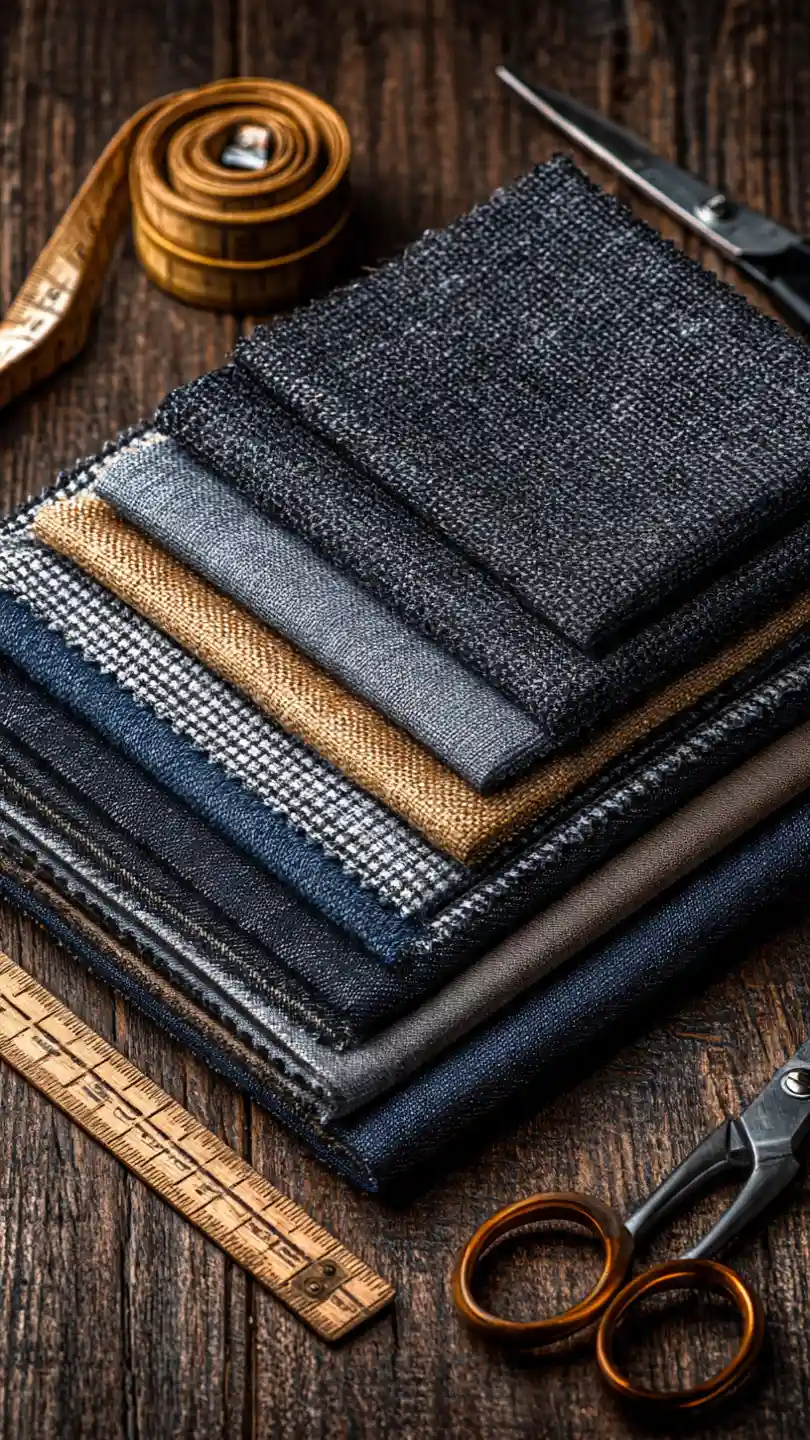
Materials play a major role in a garment’s environmental impact.
Organic Cotton
Organic cotton is grown without synthetic pesticides and fertilizers.
Benefits include:
- Lower chemical usage
- Improved soil health
- Reduced water pollution
- Better conditions for farmers
Hemp
Hemp is one of the most environmentally friendly natural fibers.
Advantages include:
- Fast growth rate
- Minimal water requirements
- Natural resistance to pests
- Durable fabric quality
Linen
Made from flax plants, linen is biodegradable and highly durable.
Benefits include:
- Low resource requirements
- Breathability
- Longevity
- Natural biodegradability
Recycled Polyester
Recycled polyester is often produced using plastic bottles or textile waste.
Advantages include:
- Reduces plastic waste
- Requires fewer virgin resources
- Extends material life cycles
Tencel (Lyocell)
Tencel is produced from sustainably sourced wood pulp.
Benefits include:
- Soft texture
- Biodegradability
- Lower environmental impact
- Efficient manufacturing process
How to Build a Sustainable Wardrobe
Transitioning to sustainable fashion doesn’t require replacing everything you own overnight.
In fact, one of the most sustainable actions is continuing to wear the clothes you already have.
Start With What You Own
Before shopping for new items:
- Organize your wardrobe
- Identify pieces you wear regularly
- Repair damaged clothing
- Donate unused items responsibly
Making better use of existing clothing reduces unnecessary consumption.
Buy Less, Choose Better
Instead of purchasing multiple low-quality items, focus on acquiring versatile, durable pieces.
Ask yourself:
- Will I wear this regularly?
- Does it match my existing wardrobe?
- Is it made to last?
- Do I genuinely need it?
These questions can help prevent impulse purchases.
Invest in Timeless Pieces
Classic wardrobe staples often remain stylish for years.
Examples include:
- Well-fitted jeans
- Quality t-shirts
- Neutral sweaters
- Tailored blazers
- Durable footwear
Timeless pieces reduce dependence on short-lived trends.
Support Ethical Brands
Research brands before purchasing.
Look for information about:
- Labor practices
- Material sourcing
- Sustainability reports
- Environmental commitments
- Certifications
Brands that openly share this information tend to demonstrate greater accountability.
Understanding Sustainable Fashion Certifications
Certifications can help consumers identify products that meet specific environmental or ethical standards.
Some common certifications include:
Global Organic Textile Standard (GOTS)
GOTS verifies organic textile production and environmental responsibility.
Fair Trade Certified
Fair Trade focuses on ethical labor practices and fair compensation for workers.
OEKO-TEX Standard 100
This certification ensures textiles are tested for harmful substances.
Bluesign
Bluesign promotes safer and more sustainable textile manufacturing processes.
While certifications are useful, they should be considered alongside a brand’s overall transparency and practices.
The Role of Secondhand Fashion
Buying secondhand is one of the easiest ways to participate in sustainable fashion.
Benefits include:
- Extending garment lifespan
- Reducing demand for new production
- Lowering textile waste
- Saving money
Popular secondhand options include:
- Thrift stores
- Consignment shops
- Vintage boutiques
- Online resale platforms
Many consumers discover unique, high-quality items through secondhand shopping.
Clothing Care and Sustainability
Proper clothing care can significantly extend the lifespan of garments.
Wash Less Frequently
Many clothes do not need washing after every wear.
Reducing wash frequency can:
- Save water
- Lower energy consumption
- Preserve fabric quality
Use Cold Water
Cold-water washing reduces energy usage and helps prevent fabric damage.
Air Dry When Possible
Air drying extends garment life and decreases energy consumption.
Learn Basic Repairs
Simple skills such as sewing buttons or fixing small tears can prevent clothing from being discarded prematurely.
Sustainable Fashion Myths
Several misconceptions discourage people from embracing sustainable fashion.
Myth 1: Sustainable Fashion Is Too Expensive
While some sustainable brands have higher prices, sustainable fashion can actually save money over time through durability and reduced purchasing frequency.
Additionally, secondhand shopping offers affordable sustainable options.
Myth 2: Sustainable Fashion Isn’t Stylish
Modern sustainable brands offer a wide range of fashionable designs, from minimalist basics to trend-forward collections.
Style and sustainability can coexist.
Myth 3: One Person Can’t Make a Difference
Individual choices may seem small, but collective consumer behavior influences industry practices.
When more consumers prioritize sustainability, brands often respond with more responsible initiatives.
Myth 4: Sustainable Fashion Means Never Buying New Clothes
Sustainability is not about perfection. It is about making more conscious decisions and reducing unnecessary consumption.
Buying new clothing responsibly is still compatible with sustainable fashion principles.
Simple Sustainable Fashion Habits for Beginners
If you’re just getting started, try implementing a few simple habits:
- Wear clothes longer before replacing them.
- Choose quality over quantity.
- Repair rather than discard.
- Donate responsibly.
- Buy secondhand when possible.
- Research brands before purchasing.
- Avoid impulse shopping.
- Wash clothes less frequently.
- Build a versatile capsule wardrobe.
- Support ethical and transparent companies.
Small changes can add up over time.
The Future of Sustainable Fashion
The fashion industry is undergoing significant transformation as consumers, brands, and governments increasingly prioritize sustainability.
Emerging innovations include:
- Circular fashion systems
- Textile recycling technologies
- Biodegradable fabrics
- Digital product passports
- Rental clothing services
- Low-impact manufacturing techniques
As technology advances and consumer awareness grows, sustainable fashion is likely to become a standard expectation rather than a niche movement.
Final Thoughts
Sustainable fashion is about making thoughtful choices that benefit both people and the planet. It encourages consumers to move away from excessive consumption and toward more responsible purchasing habits.
You don’t need to completely overhaul your wardrobe to participate. Simply wearing your clothes longer, buying fewer but better-quality items, exploring secondhand options, and supporting ethical brands can make a meaningful difference.
The journey toward sustainability is not about perfection—it’s about progress. Every conscious decision contributes to a fashion industry that is more ethical, environmentally responsible, and sustainable for future generations.
By understanding the principles of sustainable fashion and applying them gradually in your daily life, you can build a wardrobe that reflects not only your personal style but also your values.
