How to Dress for Your Body Type: A Practical Guide for Men

Getting dressed well is not about following every fashion trend or buying expensive clothes. It starts with understanding your proportions and choosing clothing that works with them.
When you know how different cuts, fabrics, colors, and layers affect your appearance, putting together an outfit becomes much easier.
The goal is not to hide your body or completely change how you look. Instead, good styling helps create balance, comfort, and a polished appearance.
Whether you have a broad frame, slim build, shorter stature, or a larger midsection, there are simple ways to make your clothes work better for you.
Why Body Type Matters in Men’s Fashion
Every man has a different combination of height, shoulder width, waist size, leg length, and overall proportions. The same shirt or pair of trousers can look completely different on two people.
That is why copying an outfit directly from someone else does not always produce the same result. Fit and proportion often matter more than the individual clothing pieces.
Dressing for your body type means paying attention to where clothes sit, how much room they provide, and how different pieces work together.
A well-fitted outfit should allow you to move comfortably without looking excessively tight or unnecessarily loose.
How to Identify Your Body Type
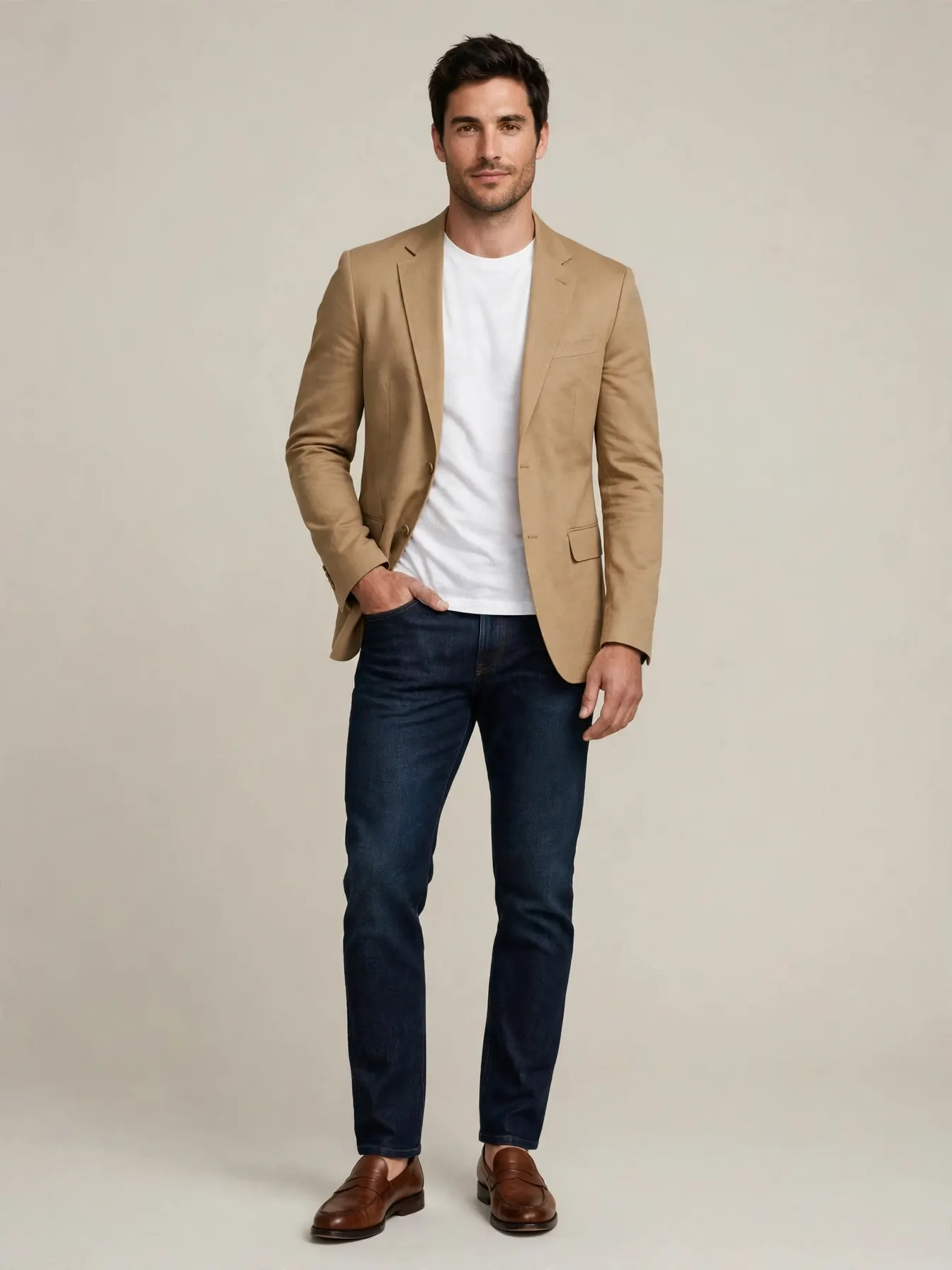
Before changing your wardrobe, take a moment to look at your overall proportions.
You do not need complicated measurements. Stand naturally in front of a mirror and consider your shoulders, chest, waist, hips, and legs.
Rectangle Body Type
A rectangle-shaped body generally has shoulders and waist that appear relatively similar in width. The torso has a straighter appearance without a dramatic difference between the upper and lower body.
The easiest approach is to create more structure around the shoulders while adding visual interest through layers.
Try structured jackets, overshirts, textured sweaters, and fitted shirts. Layering can add dimension without making the outfit complicated.
Avoid extremely oversized clothing because excessive fabric can make your frame appear less defined.
Triangle Body Type
A triangle body shape usually has a narrower shoulder area with more width around the waist and hips.
The main styling goal is to create visual balance between the upper and lower body.
Structured jackets and shirts with defined shoulders can help add presence to the upper half. Darker trousers paired with slightly brighter or more textured tops can also create a balanced appearance.
Choose straight or relaxed-straight trousers rather than extremely skinny styles. Very tight pants can emphasize the difference between your upper and lower body.
Vertical details such as open jackets, shirt plackets, and simple layering can also create a cleaner visual line.
Inverted Triangle Body Type
An inverted triangle shape typically features broader shoulders and chest with a narrower waist.
Because your upper body already provides strong structure, clothing does not need to add excessive bulk around the shoulders.
Look for clean, fitted shirts and jackets that follow your natural shape without squeezing the chest or arms. Straight-leg trousers, pleated trousers, and textured pants can add visual weight to the lower half.
Avoid excessive shoulder padding or very narrow trousers if they make your proportions look overly top-heavy.
The goal is not to minimize your shoulders. Instead, create a comfortable balance between your upper and lower body.
Oval Body Type
An oval body shape generally has more fullness around the midsection, with comparatively narrower shoulders and legs.
Comfortable structure and proper fit become especially important here.
Choose shirts and jackets that skim your body instead of clinging tightly to the stomach. Structured outerwear can create a clean silhouette, while open layers can introduce longer vertical lines.
Straight-leg trousers are often easier to balance than extremely slim or oversized options.
Simple outfits can work particularly well. For example, a well-fitted button-down shirt, straight trousers, and an unstructured jacket can create a polished everyday combination.
Avoid buying clothing several sizes too large in an attempt to hide your midsection. Excess fabric can make the entire outfit appear larger.
Trapezoid Body Type
The trapezoid body type is generally characterized by relatively broad shoulders with a moderately defined waist.
This proportion works with a wide variety of clothing because the upper and lower body are naturally balanced.
You can experiment with different silhouettes, colors, patterns, and layering techniques.
Well-fitted T-shirts, polo shirts, chinos, denim, tailored trousers, casual jackets, and structured coats can all work effectively.
Even with balanced proportions, fit remains important. Clothes should follow your body rather than pulling across the chest or hanging excessively around the waist.
Dressing for a Slim Body
If you have a naturally slim build, clothing with texture and layering can add dimension.
Try knitwear, overshirts, denim jackets, casual blazers, and heavier fabrics during cooler weather. Layering a shirt underneath a sweater or jacket can also create visual depth.
Straight or relaxed trousers may provide a more balanced appearance than extremely skinny pants.
You do not necessarily need oversized clothing. Instead, look for a comfortable fit that gives your body some structure without swallowing your frame.
Patterns can also add interest. Horizontal stripes, textured fabrics, and subtle checks can work well when incorporated thoughtfully.
Dressing for a Muscular or Broad Build
Men with muscular builds often need to pay special attention to fit because standard clothing can be tight across the chest and shoulders while becoming loose around the waist.
Look for shirts that provide enough room through the chest and upper arms without becoming excessively wide at the waist.
Stretch fabrics can provide additional comfort, particularly in trousers and casual shirts.
Avoid forcing yourself into very slim clothing simply because the label describes it as fashionable. A clean regular or tailored fit can look more sophisticated while allowing natural movement.
Choosing the Right Trousers
Trousers have a major effect on your overall proportions.
Straight-leg trousers are versatile and work across many body types. Slim-straight styles can provide definition without becoming restrictive, while relaxed fits offer additional comfort for broader frames.
Pay attention to the rise as well. Mid-rise trousers generally create a natural transition between your shirt and legs.
The hem should also be appropriate for the footwear and overall style. Excessive fabric pooling around the ankles can make an outfit look untidy, while trousers that are too short can disrupt the proportions.
Using Color to Improve Proportion
Color can influence how an outfit appears without requiring complicated styling.
Wearing similar shades from top to bottom creates visual continuity and can make your silhouette appear longer.
Contrasting colors divide the body into more noticeable sections. This can be useful when you want to create visual balance between your upper and lower body.
Dark colors are not automatically better for every body type. Light shades, patterns, and brighter colors can all work when their placement complements your proportions.
The key is understanding how the entire outfit works together rather than relying on one color rule.
Fit Matters More Than the Label
One of the most important rules in men’s fashion is that clothing size does not determine whether something fits well.
A medium from one brand can fit differently from a medium somewhere else. Instead of focusing only on the label, check the actual shape and measurements.
Shoulder seams should generally sit close to your natural shoulders. Shirt buttons should not pull across the chest, and trousers should sit comfortably at the waist.
If a garment is almost perfect but slightly loose or long, simple tailoring can make a significant difference.
Build Around Your Proportions
Dressing for your body type does not mean following strict fashion rules.
Think of these guidelines as tools for understanding proportion. Once you know what works for your frame, you can experiment with different styles while keeping the overall outfit balanced.
Start with well-fitting basics, choose silhouettes that complement your proportions, and pay attention to how each piece works with the next.
The best outfit is ultimately one that feels comfortable and looks intentional. When your clothes fit properly and work with your natural proportions, personal style becomes much easier to develop.
