
How to Wear a Waistcoat: The Complete Modern Style Guide for Men

A waistcoat is one of the most underrated pieces in a man’s wardrobe. It sharpens your silhouette. It adds structure to your outfit. And it instantly makes even a simple look feel intentional and refined.
Whether you are dressing for a wedding, a formal dinner, or upgrading your everyday style, knowing how to wear a waistcoat properly makes all the difference.
In this complete guide, you will learn when to wear one, how to style it correctly, and the small details that separate a good outfit from a great one.
What Is a Waistcoat?
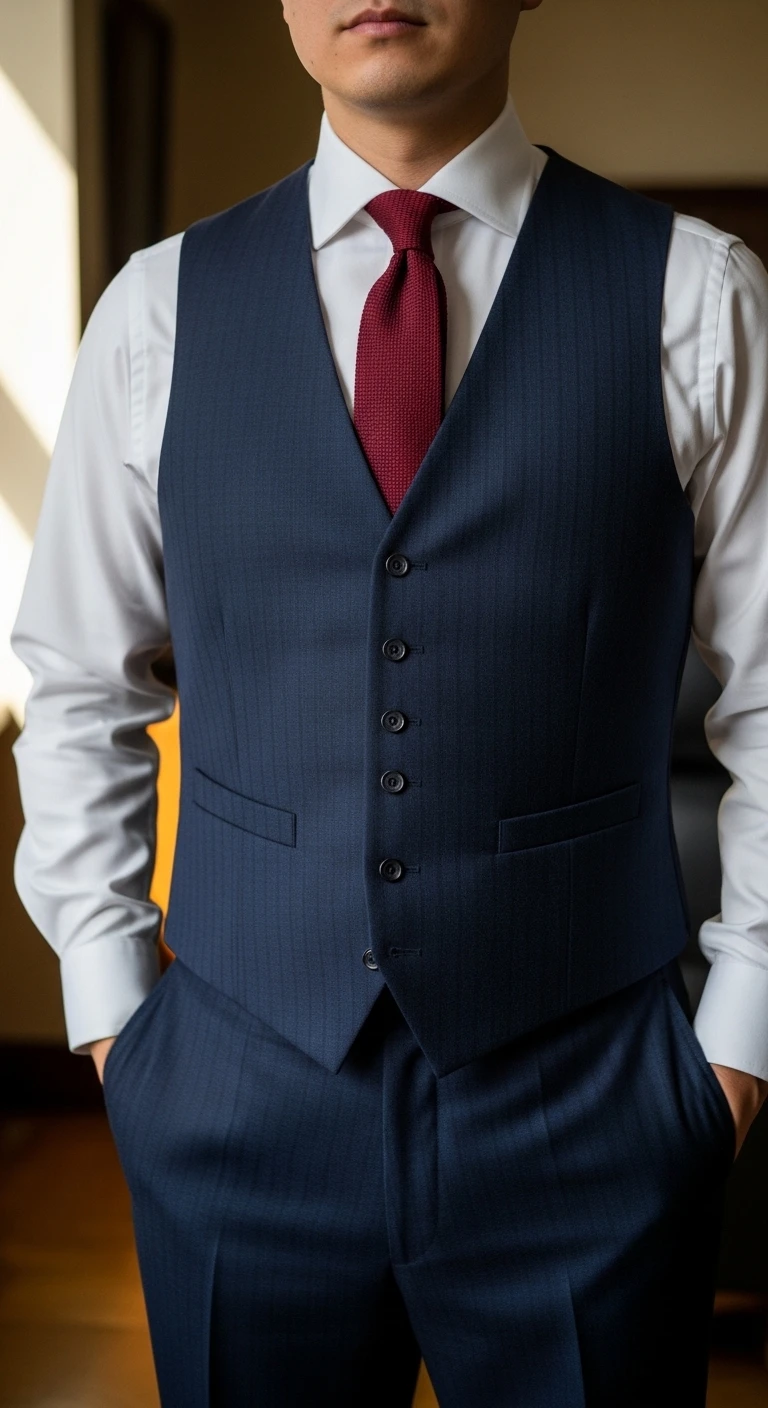
A waistcoat, often called a vest in American fashion, is a sleeveless garment worn over a shirt and typically under a jacket.
It features a V-shaped neckline and a row of buttons down the front. Traditionally, it forms part of a three-piece suit, but modern styling has made it far more versatile.
The waistcoat adds depth and dimension to your outfit while defining your torso in a clean, structured way.
Because it removes visual bulk around the waist, it creates a more tailored and polished appearance. That is why men who want a sharper look often rely on this simple yet powerful garment.
The Classic Way: Wearing a Waistcoat with a Three-Piece Suit
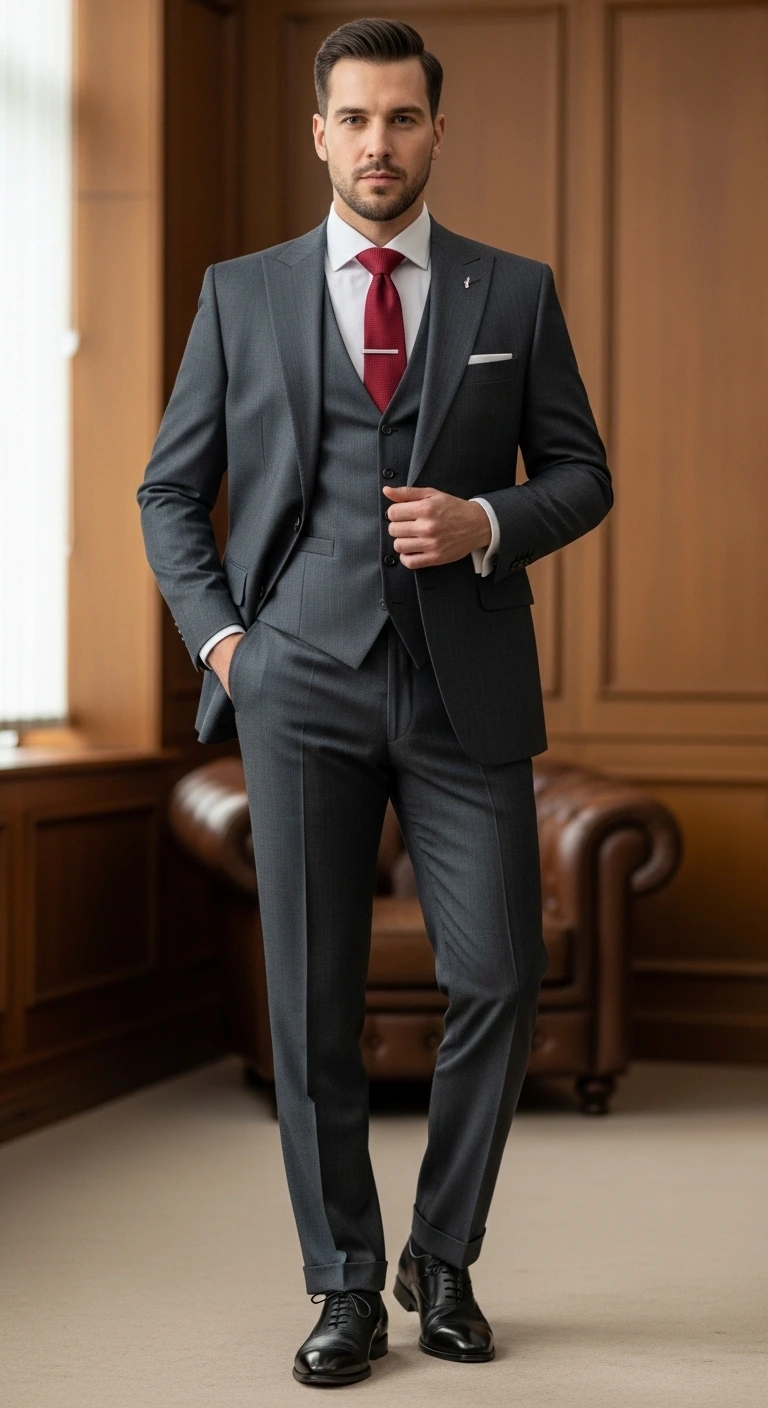
The most traditional way to wear a waistcoat is as part of a three-piece suit. This means your jacket, trousers, and waistcoat are made from the same fabric and color.
This style works best for weddings, business settings, formal events, and evening occasions. A matching waistcoat creates a seamless, elegant silhouette. It shows attention to detail and elevates your outfit beyond a standard two-piece suit.
Fit Rules for a Three-Piece Suit
The waistcoat should sit flat against your chest without pulling at the buttons. It must fully cover your waistband so no shirt fabric shows between the waistcoat and trousers.
The bottom button on a single-breasted waistcoat should always remain undone. This long-standing style tradition dates back to King Edward VII, who reportedly left his bottom button open for comfort.
Whether the story is fully accurate or not, the rule still stands in modern menswear. One major advantage of wearing a waistcoat is that you can remove your jacket and still look fully dressed. That makes it perfect for long events where comfort matters.
Wearing a Waistcoat Without a Jacket
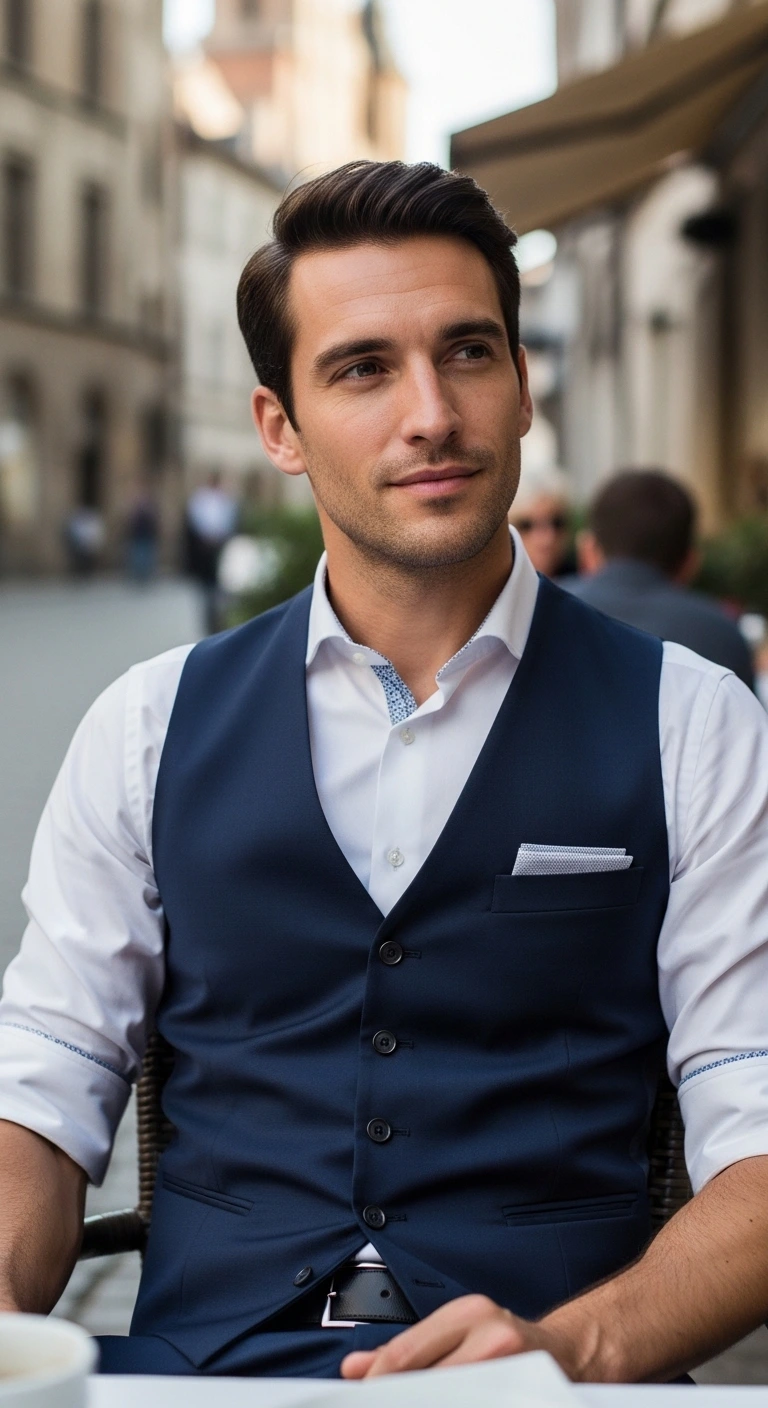
Modern fashion has relaxed many old rules. Today, you can wear a waistcoat on its own for a smart-casual look.
This approach works well in creative workplaces, semi-formal gatherings, stylish dinner dates, and even elevated everyday wear.
When skipping the jacket, fit becomes even more important. Without a blazer to frame the outfit, the waistcoat becomes the focal point.
Pair it with a crisp white or light blue shirt and slim-fit trousers. You can slightly roll up your sleeves for a relaxed but polished appearance. Footwear should remain sharp.
Loafers, brogues, or clean leather dress shoes complete the look. Avoid sneakers unless the overall outfit leans clearly into smart casual territory.
Matching vs. Contrasting Waistcoats
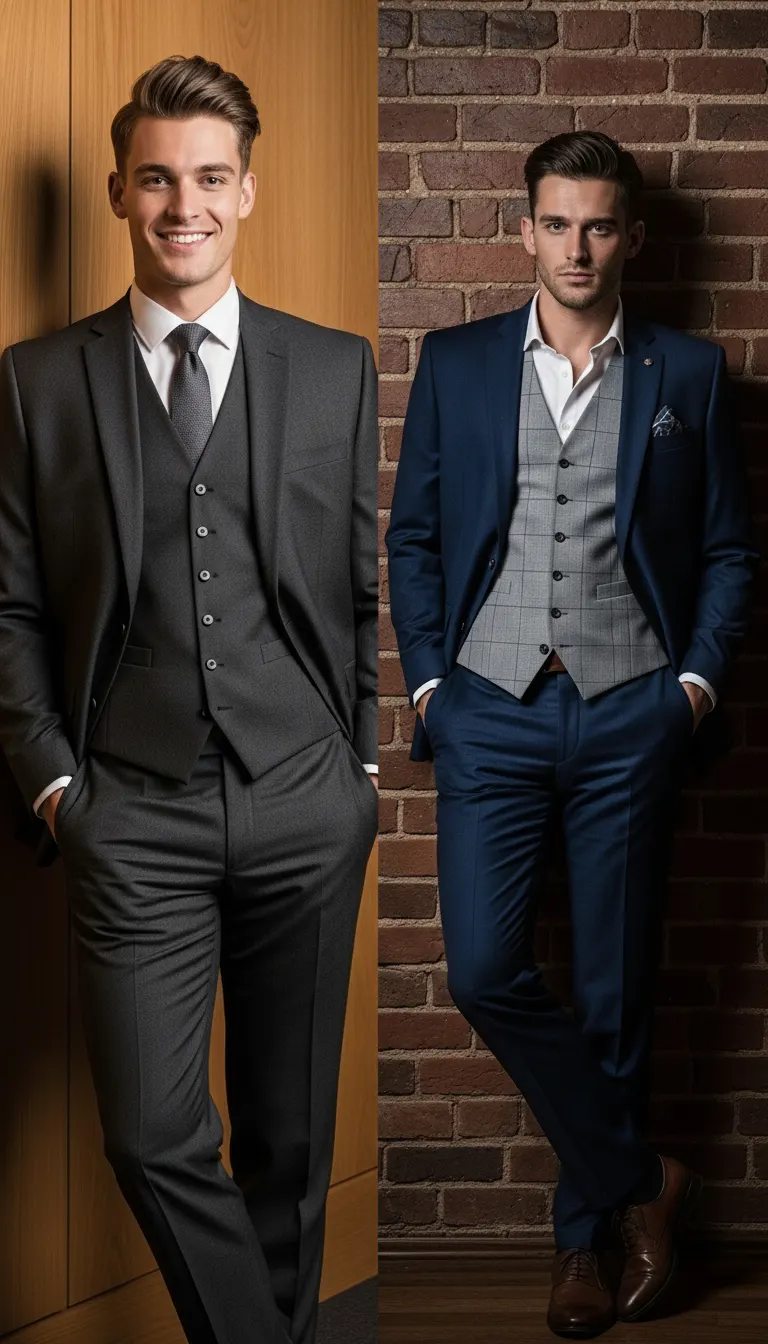
You do not always have to match your waistcoat to your suit. In fact, contrasting waistcoats can add personality and visual depth.
Matching Waistcoat
A matching waistcoat creates a streamlined and formal look. It works best for business settings and traditional ceremonies. The uniform fabric makes the outfit appear taller and more cohesive.
Contrasting Waistcoat
A contrasting waistcoat adds interest and dimension. It works especially well at weddings or social events where personality is welcome.
For example, a navy suit paired with a light grey waistcoat creates subtle contrast without clashing.
The key is balance. Keep patterns minimal if you are mixing colors, and avoid bold prints that compete for attention.
Choosing the Right Fabric
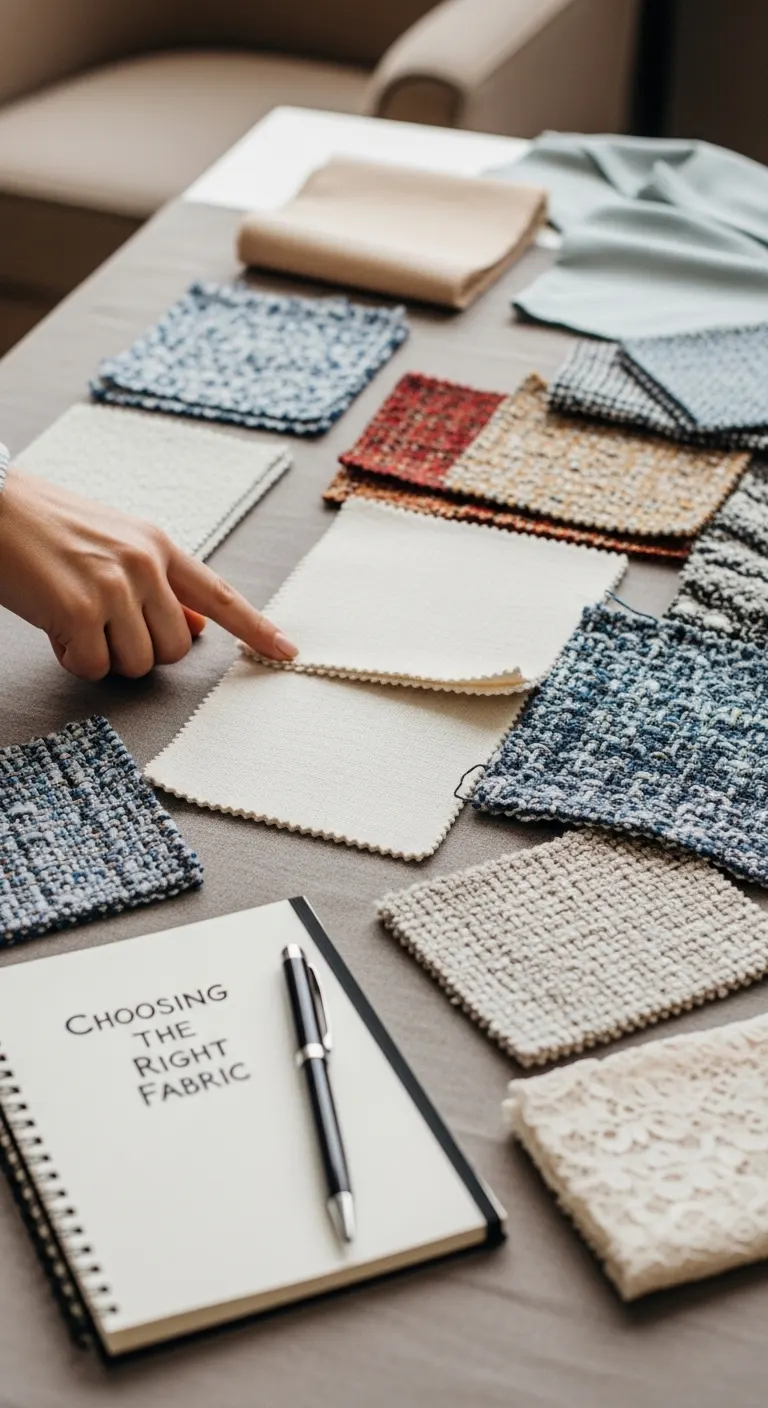
Fabric choice affects both comfort and appearance. Different materials serve different seasons and occasions.
Wool
Wool is the most versatile and formal option. It holds structure well and works beautifully in business and formal settings. It is best suited for cooler months.
Tweed
Tweed adds texture and character. It works perfectly in autumn and winter and pairs well with country-inspired or vintage looks.
Linen
Linen is lightweight and breathable. It is ideal for summer events but appears slightly more relaxed due to its natural wrinkles.
Velvet
Velvet creates a luxurious and bold impression. It works best for evening events, formal parties, and special occasions. Always match fabric weight to the season. A heavy tweed waistcoat in summer will feel uncomfortable and look out of place.
Getting the Fit Right
Fit is everything when it comes to wearing a waistcoat. If it is too loose, it looks sloppy. If it is too tight, it pulls at the buttons and disrupts the clean lines of your outfit.
The shoulder seams should align neatly with your shoulders. The armholes should sit comfortably without gaping. The waistcoat must fully cover your waistband. The back panel should lie smooth without visible bunching.
Most waistcoats include an adjustable strap at the back. Use it to fine-tune the fit, but do not rely on it to fix poor sizing. A properly tailored waistcoat should feel snug yet comfortable when you sit and stand.
Should You Wear a Tie with a Waistcoat?
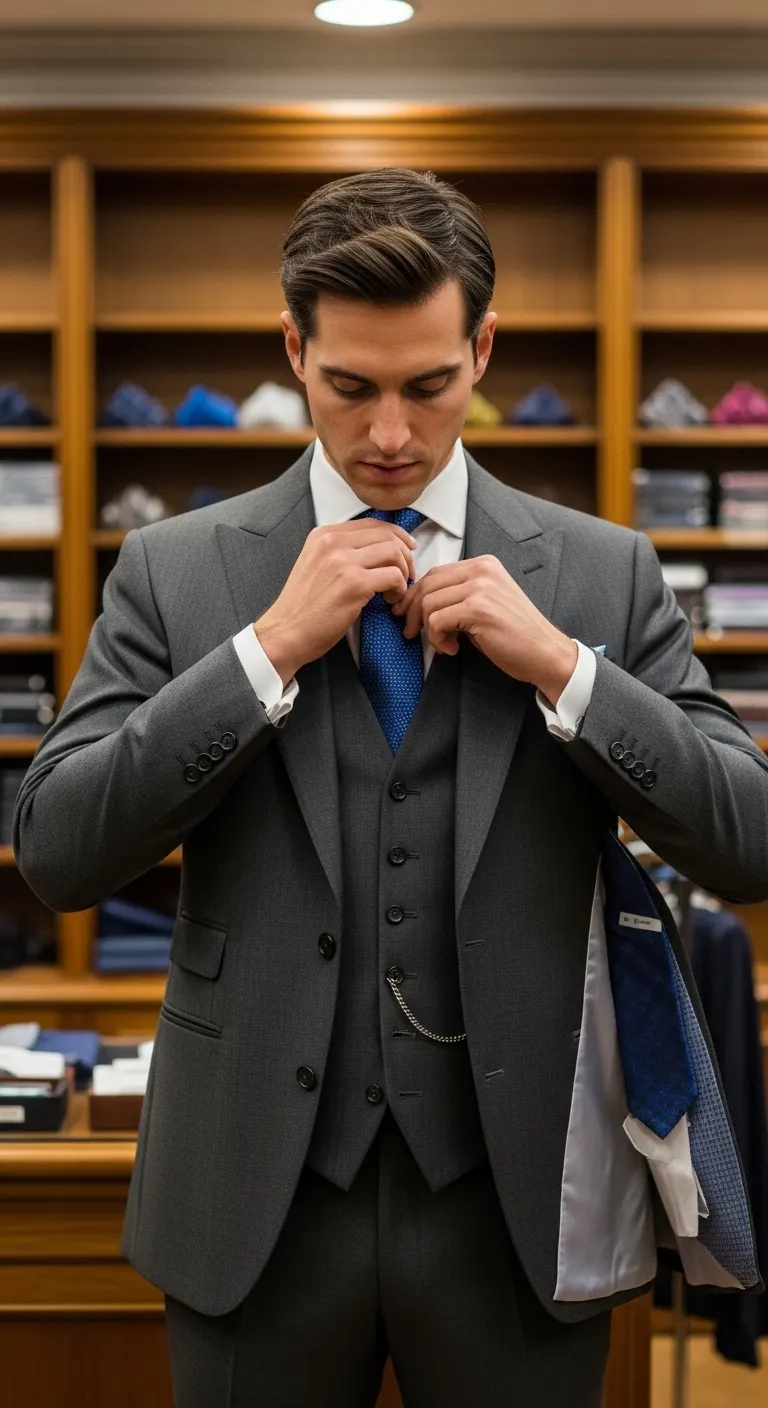
The decision depends on the occasion and overall dress code.
With a Tie
Wearing a tie with a waistcoat creates a structured and formal appearance. It is ideal for weddings, business meetings, and formal dinners. A tie completes the polished aesthetic and fills the V-shaped neckline properly.
Without a Tie
Skipping the tie creates a more relaxed look. It works well for smart-casual settings and creative environments. If you go tieless, ensure your collar remains crisp and structured.
A limp collar under a waistcoat looks unfinished. You can leave the top button undone for a modern touch, but keep everything neat.
Single-Breasted vs. Double-Breasted Waistcoats
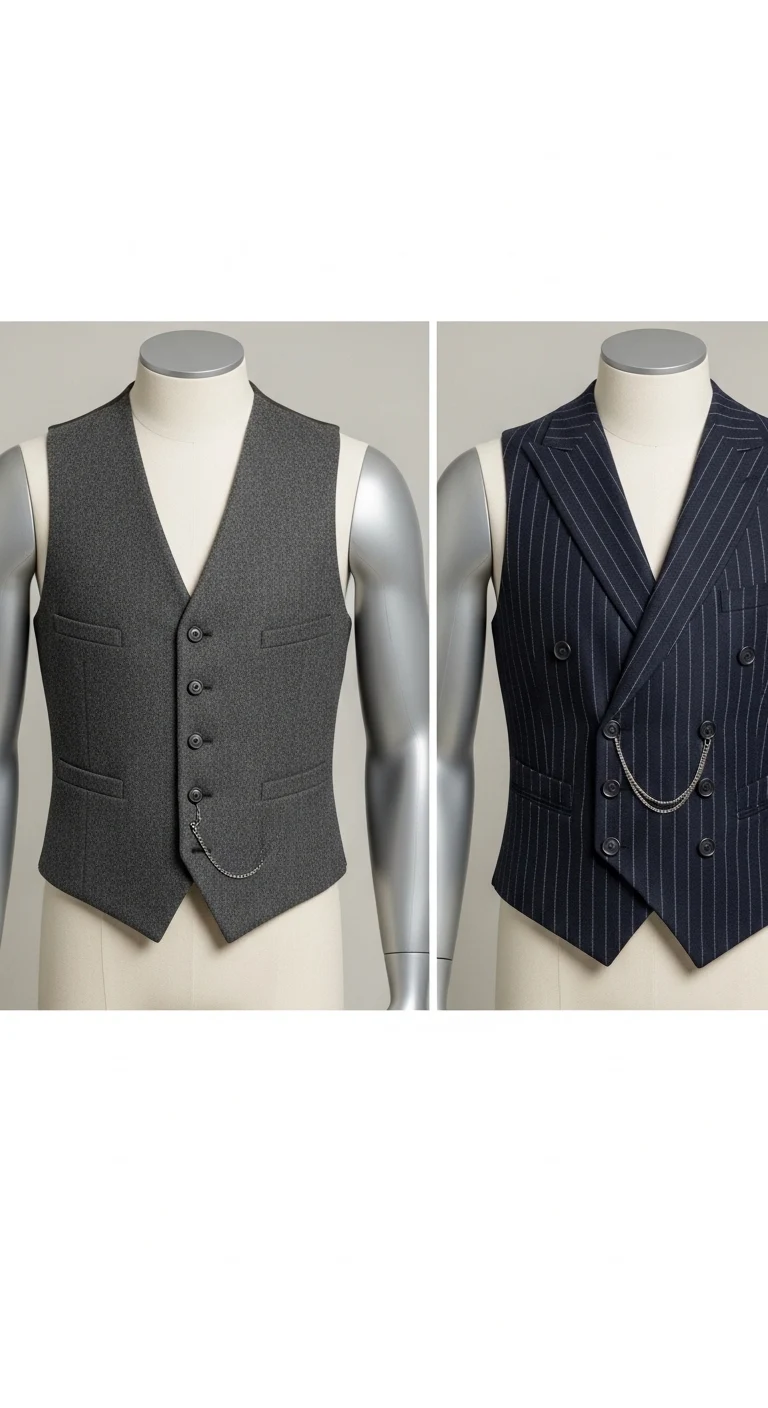
Most waistcoats are single-breasted. They feature one row of buttons and are highly versatile. You typically leave the bottom button undone for style tradition.
Double-breasted waistcoats, on the other hand, feature overlapping front panels and two columns of buttons.
They create a stronger, more structured silhouette. This style works especially well for formal weddings, black-tie variations, and vintage-inspired outfits.
Unlike single-breasted designs, double-breasted waistcoats are usually fully buttoned. They naturally create a broader chest appearance and command more attention.
Waistcoats for Different Occasions
Weddings
Weddings are perfect for experimenting with color and texture. Light grey, beige, and soft pastel tones work beautifully for daytime ceremonies.
Evening weddings favor darker, richer shades like navy, burgundy, or charcoal. If you are the groom, a subtle contrast waistcoat can set you apart while remaining elegant.
Business Settings
In professional environments, stick to classic colors such as navy, charcoal, and grey. Keep patterns subtle and fabrics structured. The goal is authority and polish, not bold experimentation.
Smart Casual Events
For semi-formal gatherings, pair a waistcoat with chinos and a button-down shirt. Skip the tie and choose loafers or clean leather shoes. This balanced approach keeps you sharp without appearing overdressed.
Common Mistakes to Avoid
Even a great waistcoat can look wrong if styled incorrectly. Avoid wearing a waistcoat that does not cover your waistband.
Never button the bottom button on a single-breasted style. Do not choose clashing patterns between shirt, suit, and waistcoat.
Avoid overly tight fits that strain across your stomach. Stay away from pairing a structured waistcoat with baggy trousers.
The waistcoat is meant to refine your shape. Everything else in your outfit should support that clean, tailored line.
Layering and Seasonal Styling
In colder months, a waistcoat becomes an excellent layering tool. You can wear it under an overcoat or tailored coat for extra warmth without bulk.
In transitional seasons, it replaces heavier knitwear while still offering structure. During summer, opt for lightweight fabrics and lighter shades.
You can even pair a linen waistcoat with tailored trousers and loafers for outdoor events. Seasonal awareness keeps your outfit looking intentional rather than mismatched.
Final Thoughts
A waistcoat is more than an extra layer. It is a statement of precision and attention to detail. It instantly elevates your outfit and refines your silhouette.
Whether worn as part of a traditional three-piece suit or styled in a modern smart-casual way, success comes down to fit, proportion, and coordination.
Start with neutral colors and classic fabrics. Focus on tailoring and clean lines. Then gradually experiment with texture and contrast as your confidence grows.
When worn correctly, a waistcoat transforms your entire presence. It shows that you understand style beyond the basics. And that subtle refinement is what truly sets well-dressed men apart.
