
How to Find the Perfect Watch: A Complete Guide

Choosing the perfect watch is more than just picking something that tells time—it’s about finding a piece that reflects your personality, suits your lifestyle, and offers long-term value.
Whether you’re buying your first watch or adding to a growing collection, the process can feel overwhelming with so many styles, features, and brands available.
This guide will walk you through everything you need to know to find the perfect watch with confidence.
Why Choosing the Right Watch Matters
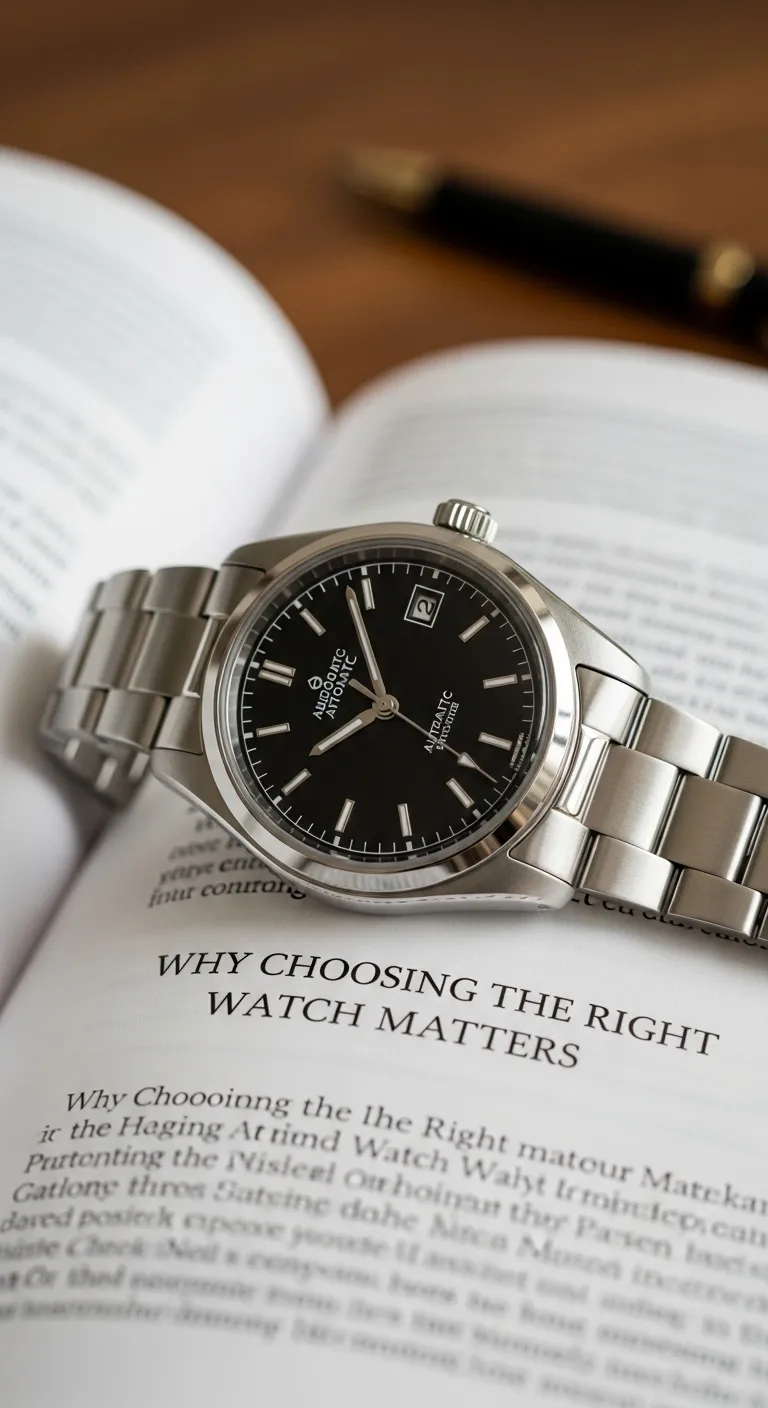
A watch is one of the few accessories that combines function with personal expression. It can subtly communicate your style, attention to detail, and even your lifestyle.
The right watch:
- Complements your outfit
- Fits comfortably on your wrist
- Matches your daily activities
- Lasts for years (or even generations)
Unlike fast fashion items, a good watch is often an investment—both financially and stylistically.
Step 1: Understand Your Purpose
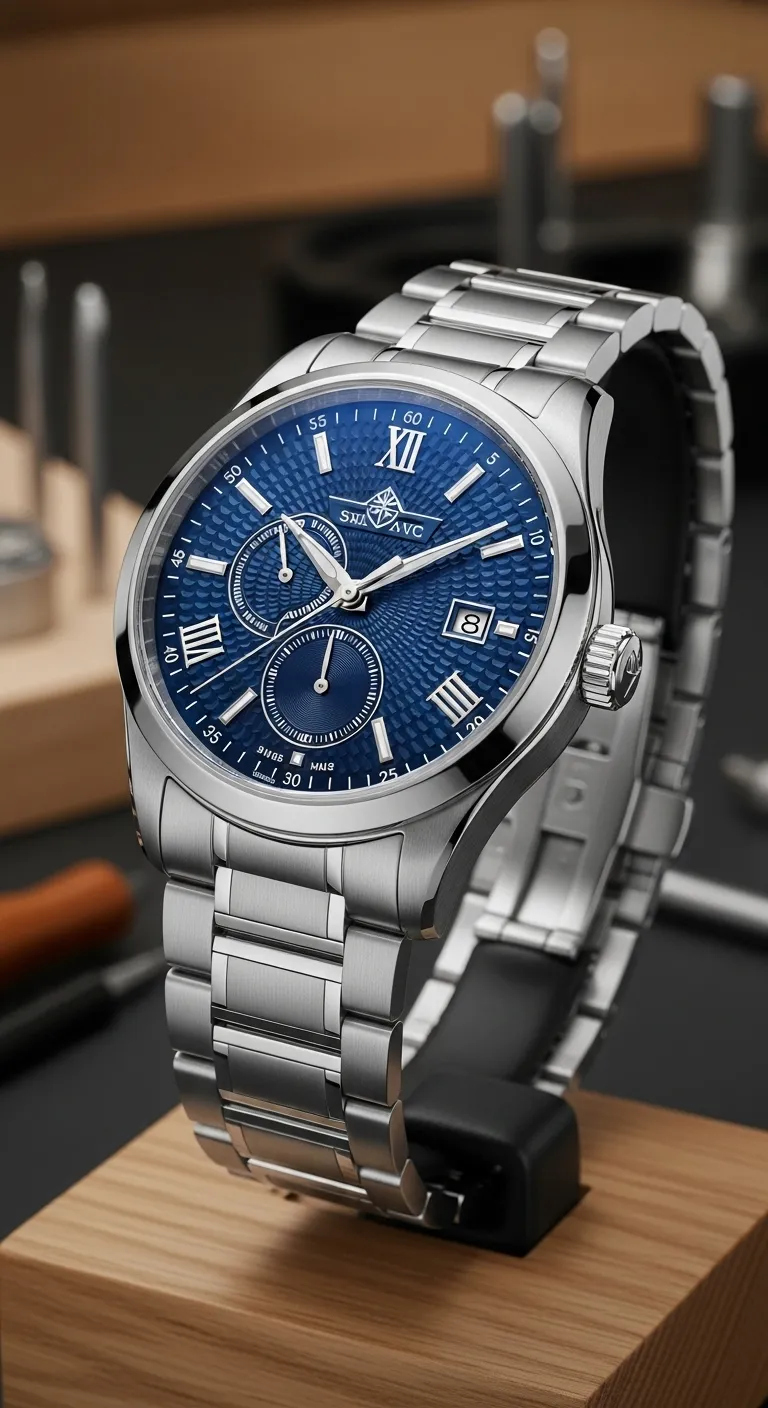
Before diving into styles and features, ask yourself a simple question: Why do I need a watch?
Your answer will narrow down your options significantly.
Everyday Wear
If you want a watch for daily use, focus on:
- Durability
- Comfort
- Versatility
A simple, clean design works best here.
Formal Occasions
For business or formal settings:
- Slim profile
- Leather strap
- Minimalist dial
These watches should slip easily under a shirt cuff and look elegant without being flashy.
Sports & Outdoor Use
If you’re active:
- Water resistance
- Shock resistance
- Durable materials like rubber or stainless steel
Features like chronographs, GPS, or heart rate tracking may also be useful.
Step 2: Choose the Right Watch Type
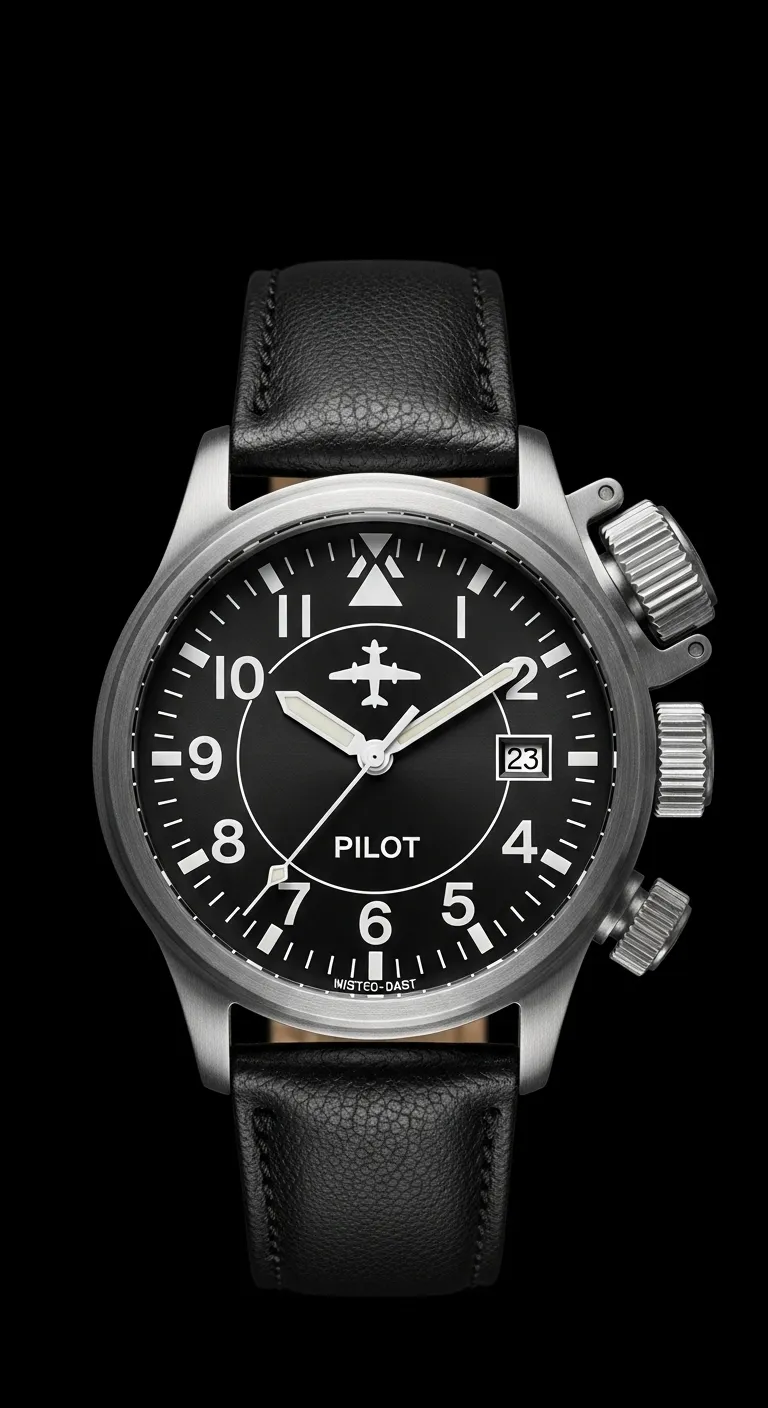
Watches come in different types based on how they function.
Quartz Watches
- Battery-powered
- Highly accurate
- Low maintenance
- Usually more affordable
Perfect for beginners or anyone who wants reliability without fuss.
Mechanical Watches
- Powered by hand-winding
- No battery required
- Traditional craftsmanship
Ideal for enthusiasts who appreciate heritage and engineering.
Automatic Watches
- Self-winding using wrist movement
- Blend of tradition and convenience
These are popular among collectors and style-conscious buyers.
Smartwatches
- Digital displays
- Fitness tracking, notifications, apps
Best for tech-savvy users who want more than just timekeeping.
Step 3: Pick the Right Watch Style
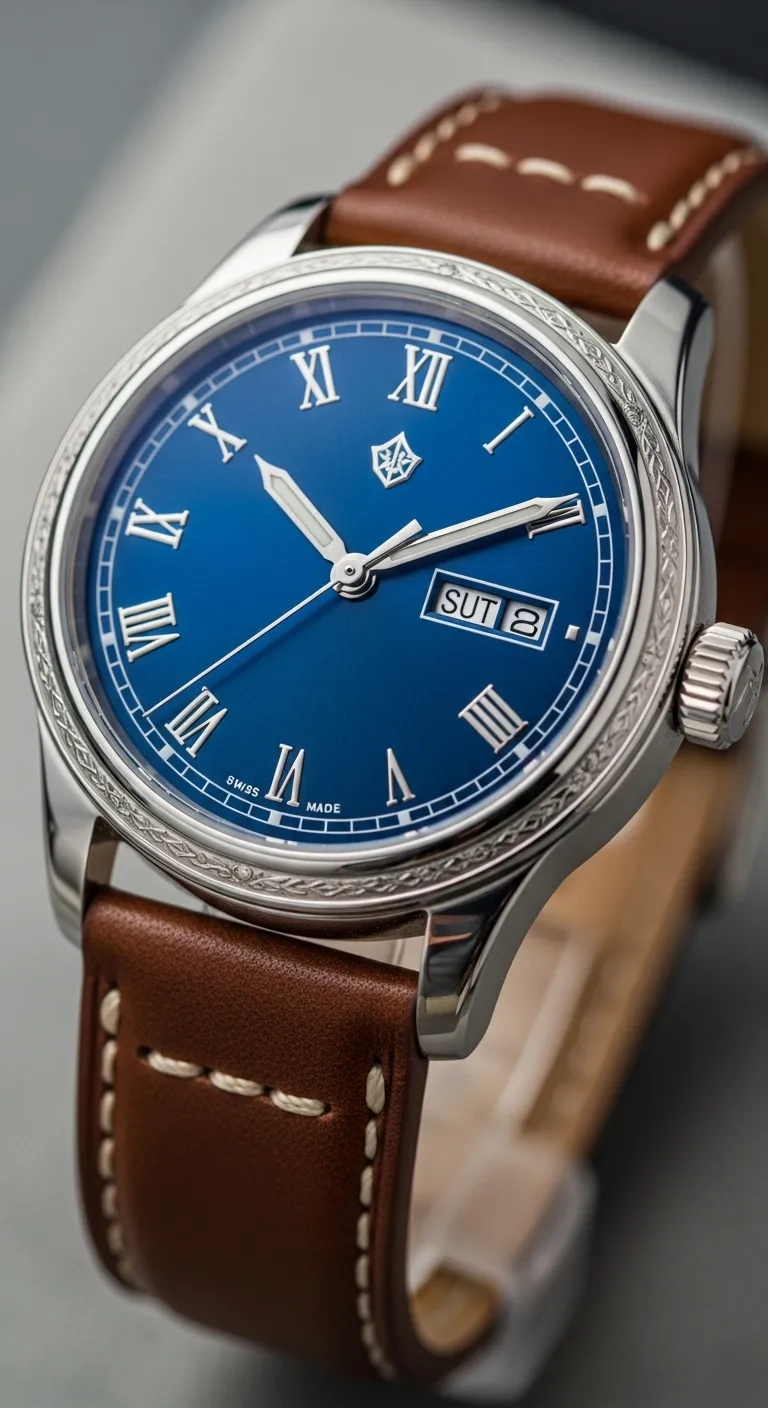
Your watch should align with your personal style and wardrobe.
Dress Watches
- Clean, simple dial
- Thin case
- Leather strap
Best for formal events and office wear.
Casual Watches
- Versatile designs
- Can be worn with most outfits
Great for daily use.
Sports Watches
- Rugged design
- Functional features like stopwatch or water resistance
Perfect for active lifestyles.
Luxury Watches
- Premium materials
- High-end craftsmanship
- Often considered status symbols
These are long-term investments and statement pieces.
Step 4: Consider Watch Size and Fit
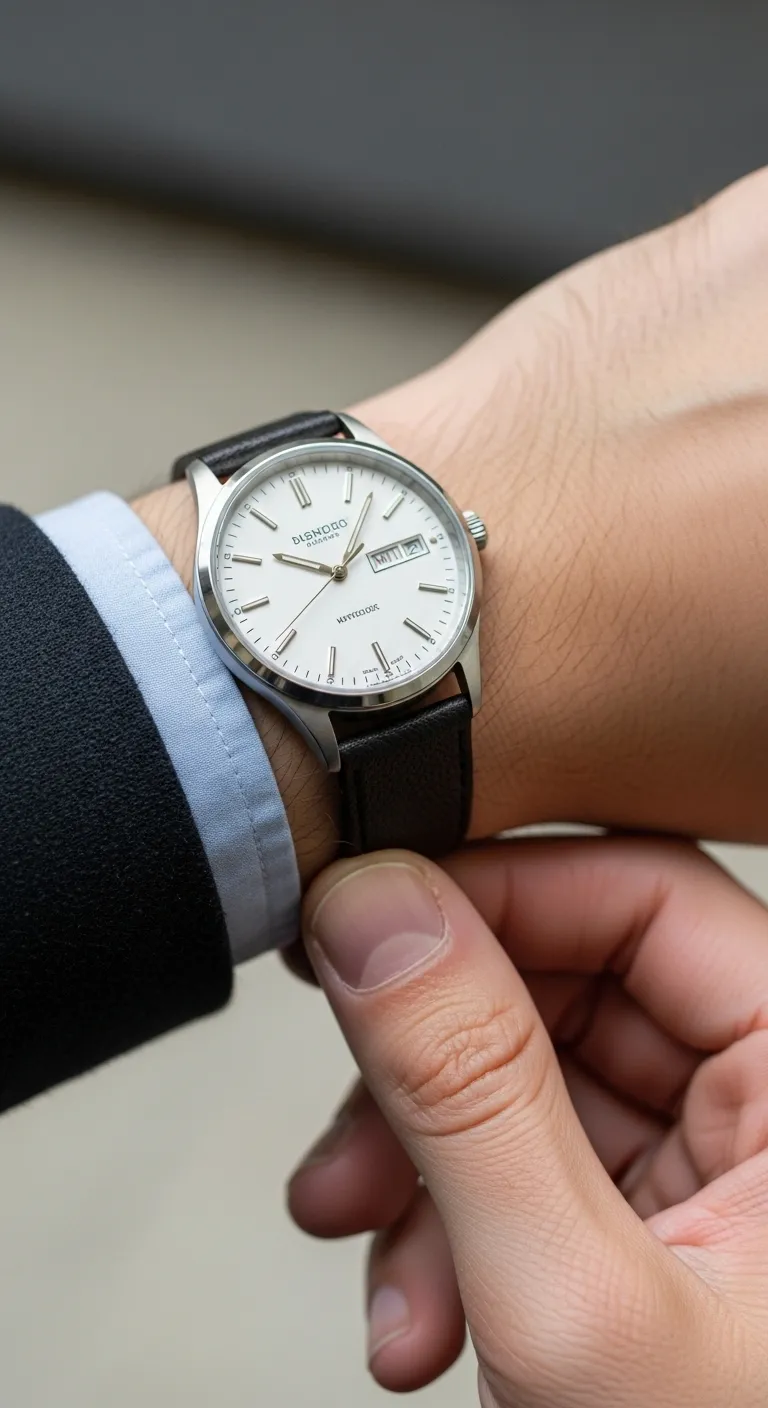
A watch that looks great in photos might not suit your wrist. Size matters more than you think.
Case Diameter
- Small wrists: 34–40mm
- Medium wrists: 40–44mm
- Large wrists: 44mm+
Case Thickness
- Slim watches: more formal
- Thick watches: more casual or sporty
Lug-to-Lug Distance
This affects how the watch sits on your wrist. If it’s too long, it may overhang.
Strap Width
Should be proportional to the case size for a balanced look.
Step 5: Select the Right Material
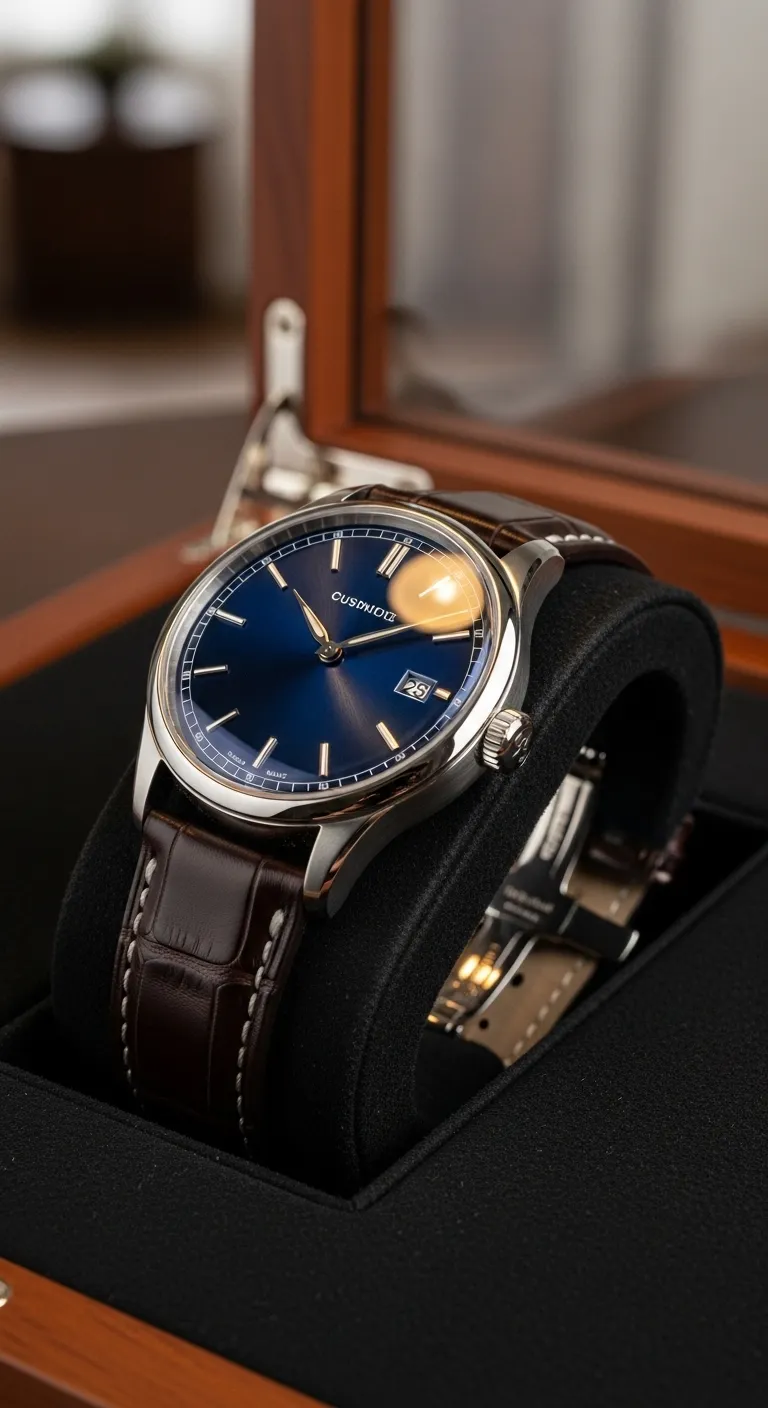
The material of your watch affects both its appearance and durability.
Case Materials
- Stainless Steel: Durable and versatile
- Titanium: Lightweight and strong
- Gold or Rose Gold: Luxurious but more expensive
- Ceramic: Scratch-resistant and modern
Strap Options
- Leather: Classic and elegant
- Metal Bracelet: Durable and formal-casual hybrid
- Rubber/Silicone: Sporty and comfortable
- NATO Fabric: Casual and trendy
Choose based on comfort, style, and how often you’ll wear it.
Step 6: Dial Design and Readability
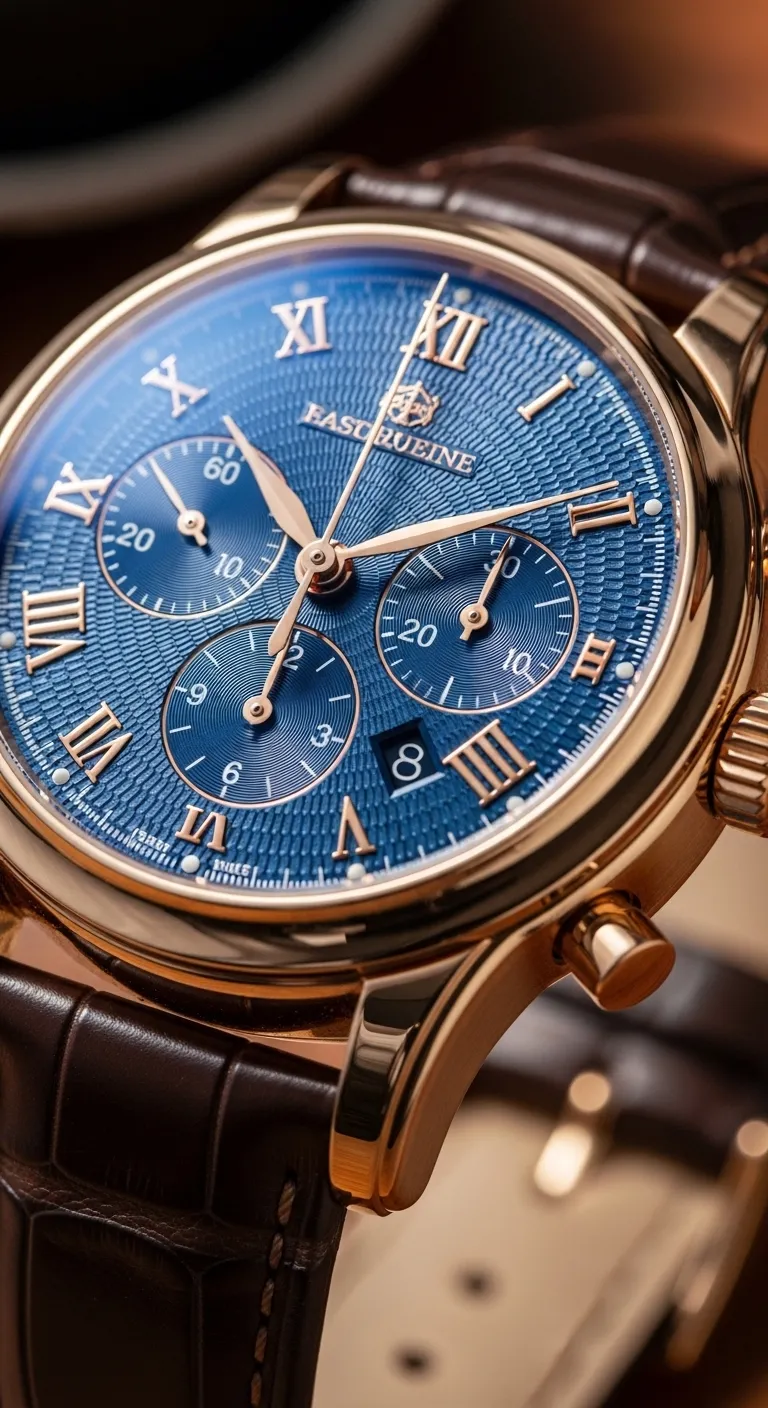
The dial is the face of the watch—what you’ll look at every day.
Key Elements
- Markers (numbers, indices)
- Hands (shape and contrast)
- Complications (extra features)
Readability Tips
- High contrast between hands and dial
- Avoid overly cluttered designs
- Consider lume (glow-in-the-dark) if needed
A clean dial is usually more timeless and versatile.
Step 7: Features to Look For
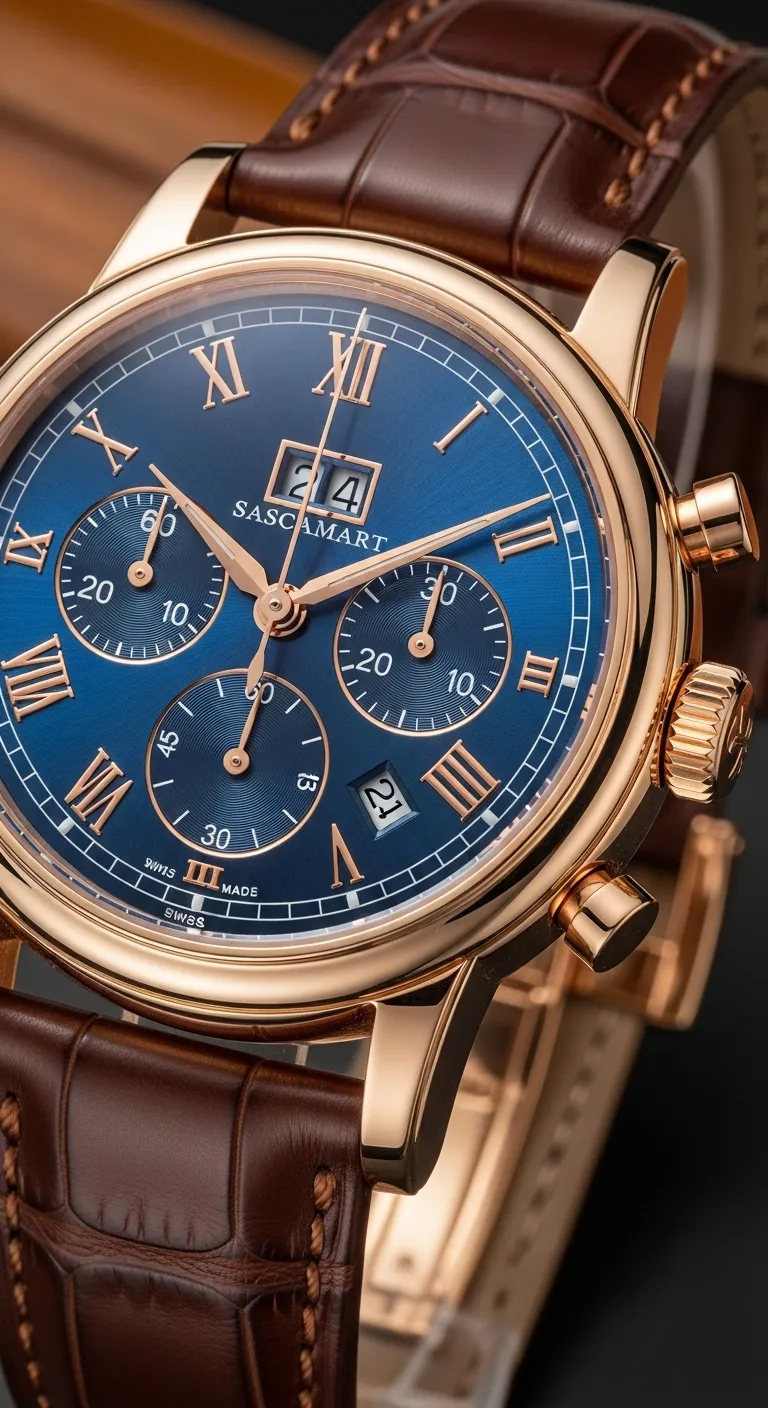
Modern watches offer a variety of features. Choose only what you need.
Common Features
- Date display
- Chronograph (stopwatch)
- Water resistance
- Dual time zones
Advanced Features
- GPS tracking
- Heart rate monitoring
- Solar charging
Remember: more features often mean a more complex and expensive watch.
Step 8: Set Your Budget
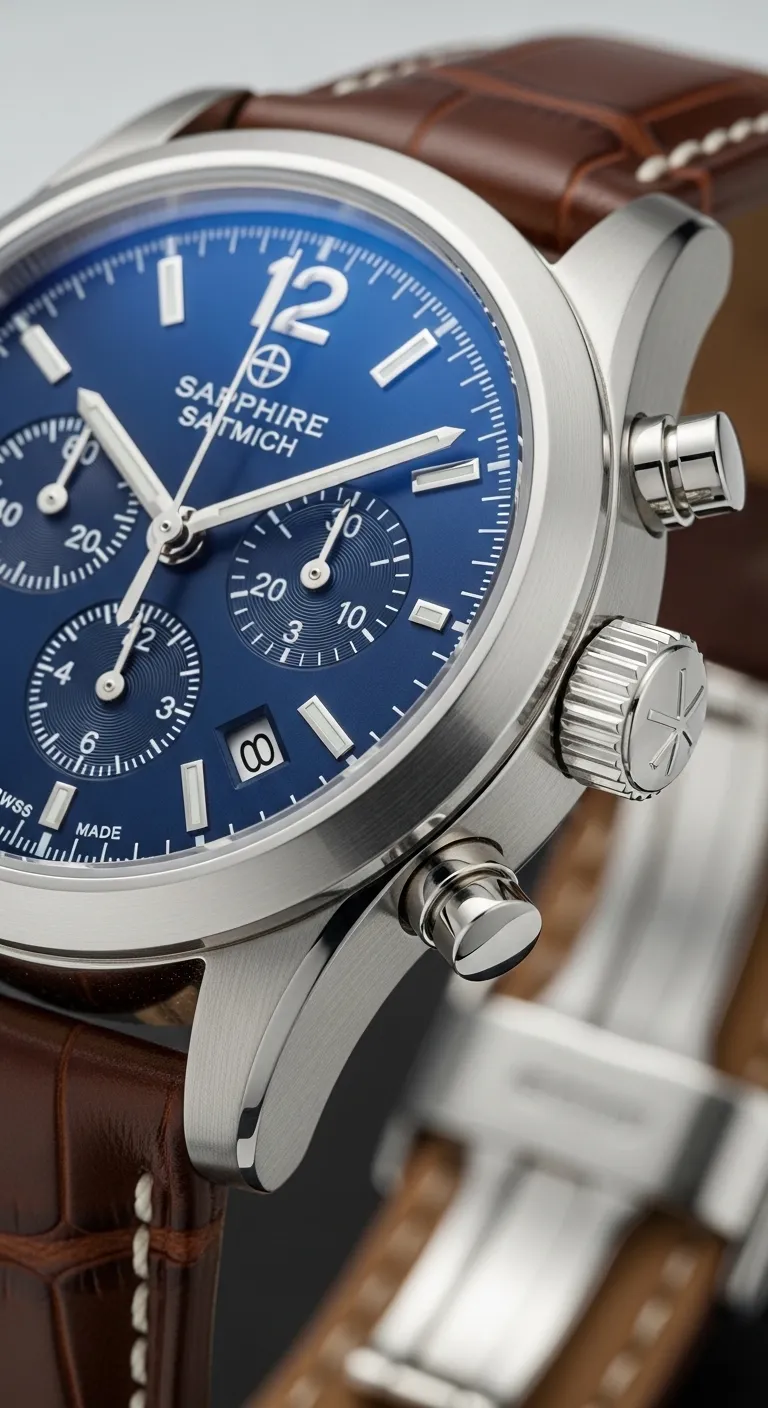
Watches are available at every price point—from affordable to luxury.
Budget Categories
Entry-Level ($50–$300)
- Reliable quartz watches
- Great for beginners
Mid-Range ($300–$1000)
- Better materials
- Some automatic options
Premium ($1000+)
- High-end craftsmanship
- Luxury brands and heritage pieces
Decide how much you’re comfortable spending and stick to it.
Step 9: Brand vs Value
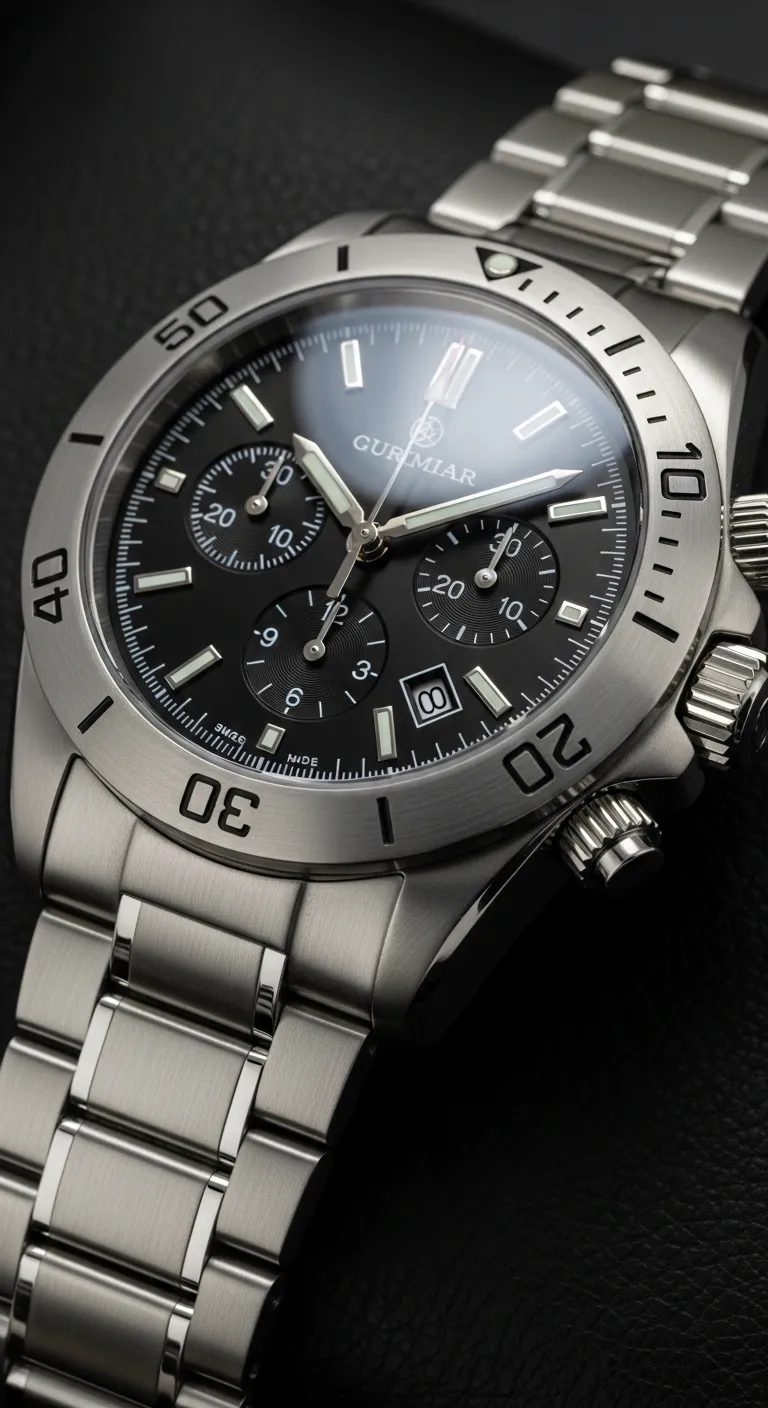
While brand names can matter, they shouldn’t be your only deciding factor.
Consider:
- Build quality
- Movement type
- Warranty
- Customer reviews
Some lesser-known brands offer excellent value for money, while big names may charge more for prestige.
Step 10: Think About Longevity
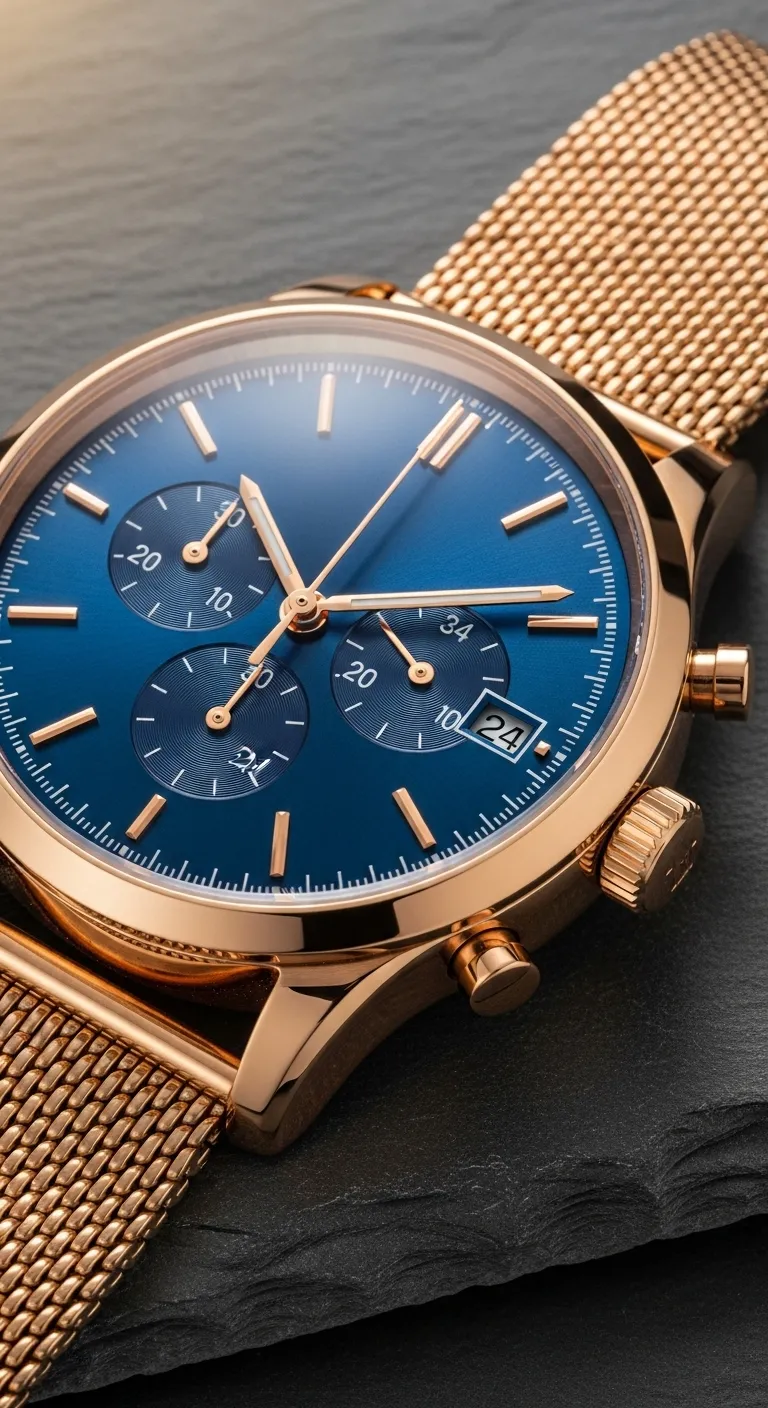
A good watch should last for years.
Ask Yourself:
- Will this style still look good in 5–10 years?
- Is it durable enough for daily wear?
- Can it be serviced easily?
Timeless designs tend to age better than trendy ones.
Step 11: Try Before You Buy (If Possible)
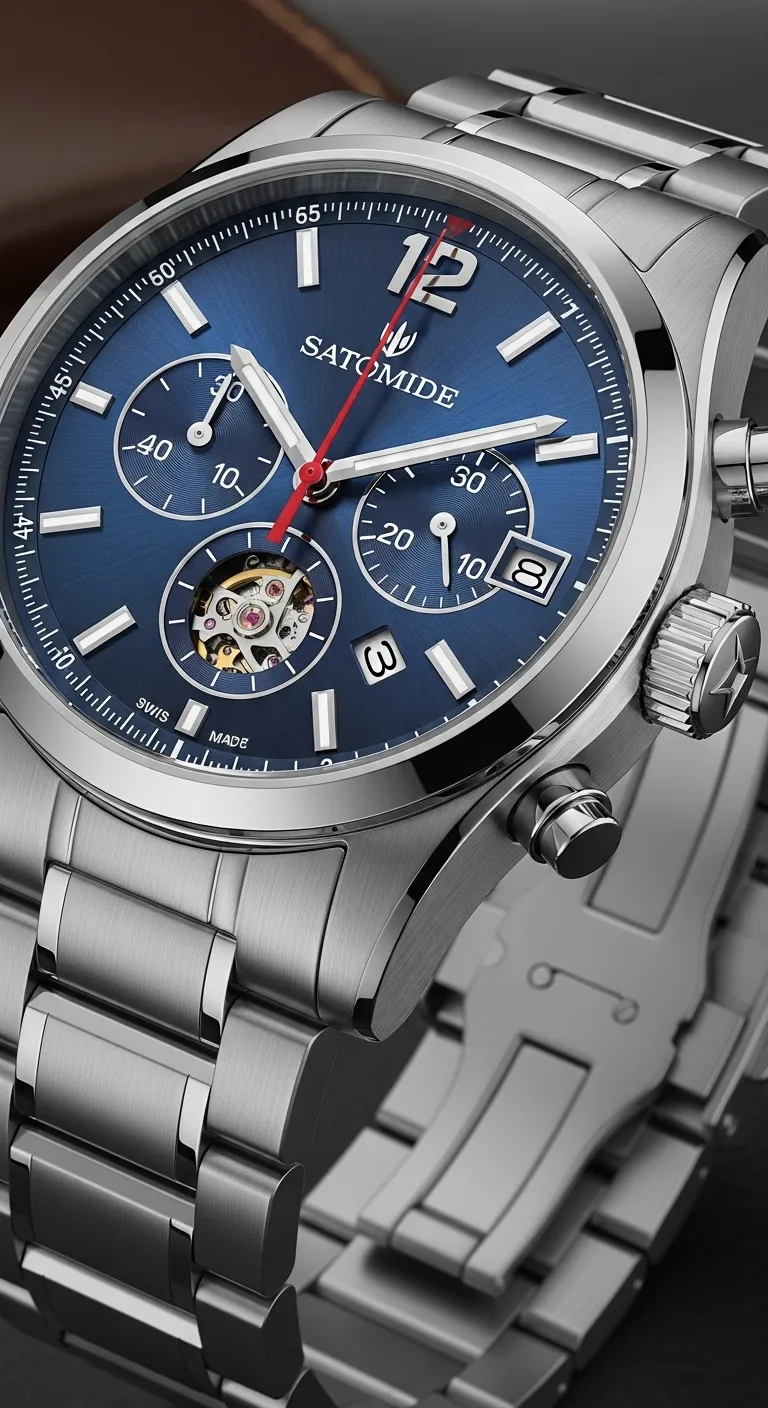
Photos can be misleading. If you can:
- Try the watch on your wrist
- Check comfort and weight
- See how it looks in different lighting
If buying online, check return policies and read detailed reviews.
Step 12: Match Your Watch with Your Wardrobe
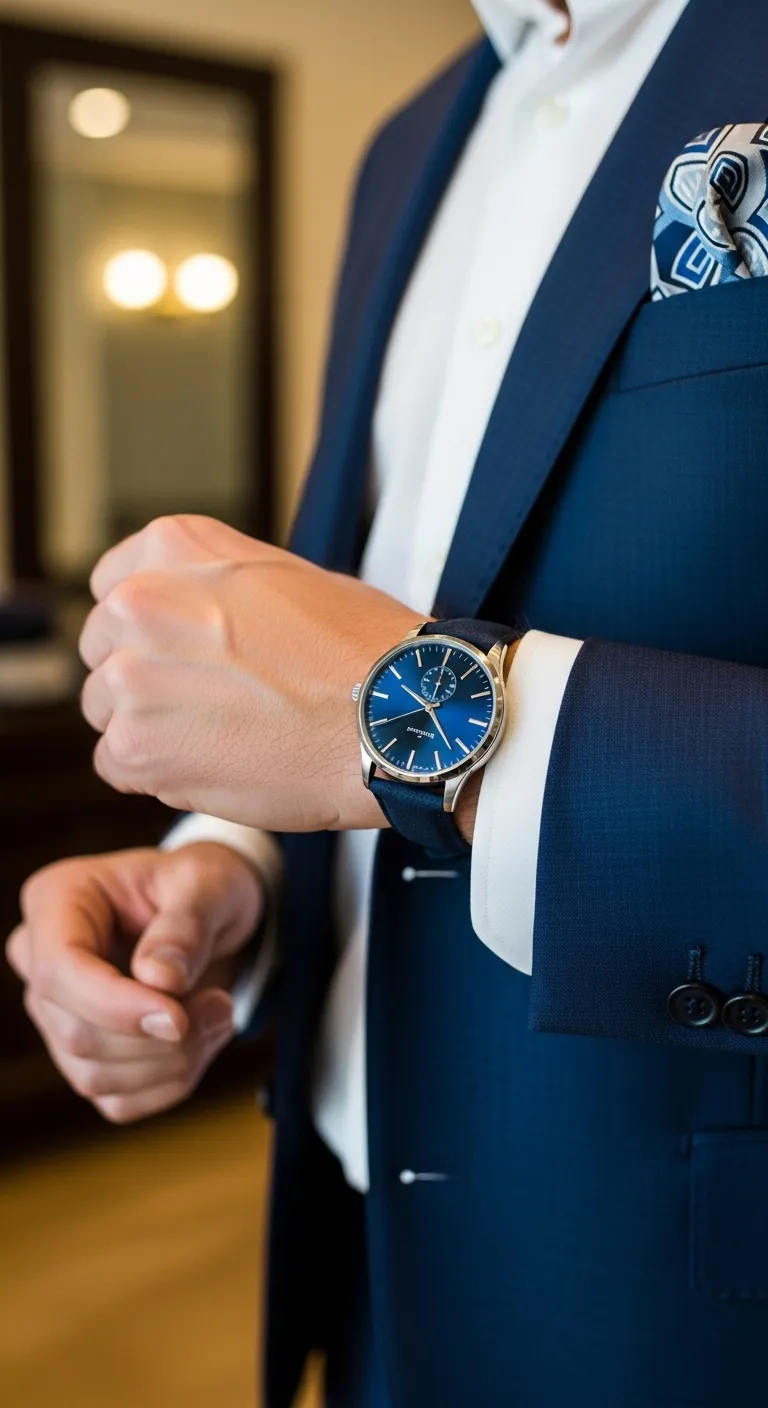
Your watch should complement your clothing style.
Style Pairing Tips:
- Leather strap → suits and formal wear
- Metal bracelet → business casual
- Rubber strap → sportswear
Neutral colors like black, silver, and brown are the most versatile.
Common Mistakes to Avoid
1. Buying Only for Brand Name
Don’t overpay just for a logo.
2. Ignoring Fit
Even an expensive watch looks bad if it doesn’t fit properly.
3. Overcomplicating Features
If you won’t use it, don’t pay for it.
4. Following Trends Blindly
Trendy designs may not age well.
Tips for First-Time Buyers
If you’re new to watches:
- Start with a versatile, mid-range option
- Choose a neutral design
- Focus on comfort and simplicity
As your taste develops, you can explore more specialized or luxury options.
Building a Watch Collection (Optional)
Once you find your style, you might want more than one watch.
A simple collection could include:
- 1 dress watch
- 1 everyday watch
- 1 sports watch
This gives you flexibility for different occasions.
Maintenance and Care
To keep your watch in good condition:
Basic Care Tips
- Clean regularly with a soft cloth
- Avoid extreme temperatures
- Keep away from strong magnets
Servicing
- Quartz: battery replacement every 1–3 years
- Automatic/mechanical: service every 3–5 years
Proper care ensures your watch lasts longer and performs well.
Final Thoughts
Finding the perfect watch isn’t about choosing the most expensive or the most popular option—it’s about finding what works best for you.
Take your time, understand your needs, and focus on quality, comfort, and style. A well-chosen watch becomes more than an accessory—it becomes part of your identity.
Whether you prefer a sleek dress watch, a rugged sports model, or a modern smartwatch, the perfect choice is one that you’ll enjoy wearing every day.
