
Best Fabrics for Comfort and Durability Explained

When shopping for clothes, furniture, bedding, or outdoor textiles, two qualities often top the priority list: comfort and durability. While style and appearance matter, the fabric you choose ultimately determines how comfortable an item feels and how long it lasts.
Understanding fabric characteristics can help you make smarter purchasing decisions and get better value for your money.
Some fabrics are exceptionally soft but wear out quickly, while others can withstand years of use but may feel rough against the skin. The ideal fabric strikes a balance between comfort, durability, breathability, and ease of maintenance.
In this guide, we’ll explain the best fabrics for comfort and durability, explore their strengths and weaknesses, and help you determine which materials are best suited for different purposes.
Fabric Selector
Filter by season, purpose, and durability to find your best match.
Why Fabric Choice Matters
Fabric selection affects much more than appearance. The material used in a garment or household item influences:
- Breathability
- Softness
- Moisture management
- Temperature regulation
- Wrinkle resistance
- Longevity
- Maintenance requirements
- Overall value
A well-made product crafted from quality fabric can remain comfortable and functional for years, while a poor fabric choice may lead to discomfort, fading, shrinking, or premature wear.
What Makes a Fabric Comfortable?
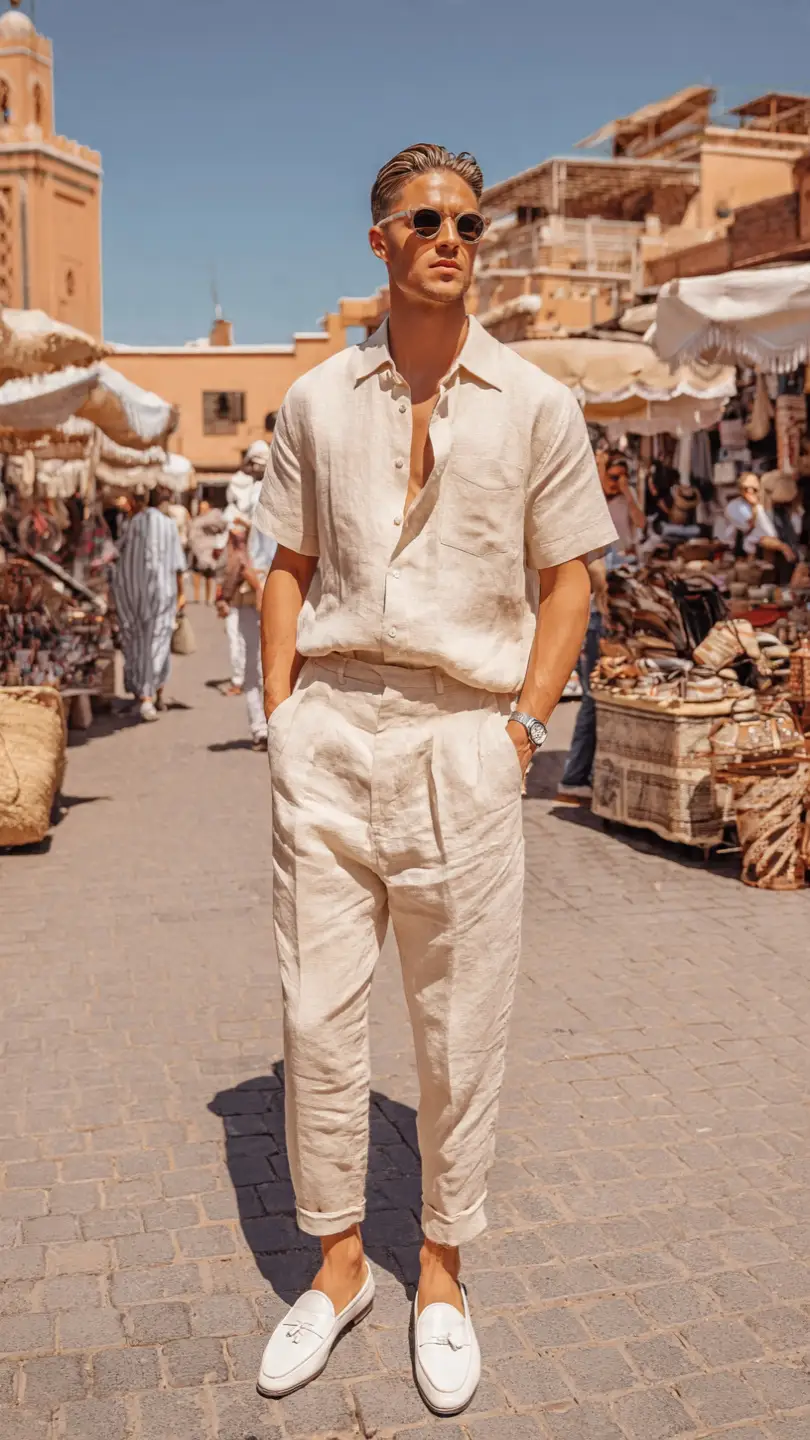
Comfort is subjective, but several characteristics generally contribute to a fabric’s comfort level.
Softness
Soft fabrics feel pleasant against the skin and reduce irritation during prolonged wear.
Breathability
Breathable materials allow air to circulate, helping regulate body temperature and prevent overheating.
Moisture Absorption
Some fabrics absorb sweat and moisture effectively, keeping the wearer dry and comfortable.
Flexibility
Materials that move naturally with the body improve overall comfort, especially during physical activity.
Lightweight Feel
Lightweight fabrics often feel less restrictive and are ideal for warm climates.
What Makes a Fabric Durable?

Durability refers to a fabric’s ability to withstand wear and maintain its appearance over time.
Strength
Strong fibers resist tearing, stretching, and damage from regular use.
Abrasion Resistance
Durable fabrics can withstand friction without developing holes or thinning.
Shape Retention
Quality materials maintain their original form even after repeated washing and wearing.
Color Retention
Durable fabrics resist fading and continue looking fresh longer.
Easy Maintenance
Materials that resist wrinkles, shrinking, and staining often last longer because they require less aggressive care.
Cotton: The Everyday Comfort Champion
Cotton is one of the most widely used fabrics worldwide, known for its softness, breathability, and versatility.
Advantages
- Extremely comfortable against the skin
- Breathable and lightweight
- Absorbs moisture well
- Suitable for sensitive skin
- Easy to wash
Durability Level
High-quality cotton is reasonably durable, especially when woven tightly. However, lightweight cotton can wear out faster than some synthetic alternatives.
Best Uses
- T-shirts
- Casual clothing
- Bedding
- Undergarments
- Baby clothing
Drawbacks
- Wrinkles easily
- May shrink if improperly washed
- Can lose shape over time
For maximum durability, look for long-staple cotton varieties such as Pima or Egyptian cotton.
Linen: Cool and Long-Lasting
Linen is made from flax fibers and is prized for its exceptional breathability and natural texture.
Advantages
- Extremely breathable
- Excellent moisture-wicking ability
- Becomes softer over time
- Naturally antibacterial
- Eco-friendly
Durability Level
Linen is one of the strongest natural fibers available. Properly maintained linen garments can last for decades.
Best Uses
- Summer clothing
- Bedding
- Table linens
- Curtains
Drawbacks
- Wrinkles quickly
- Can feel stiff initially
- Requires proper care
Although linen wrinkles more than many fabrics, its durability and cooling properties make it a favorite in warm climates.
Wool: Warm, Comfortable, and Resilient
Wool offers a unique combination of comfort, insulation, and durability.
Advantages
- Excellent temperature regulation
- Moisture-wicking
- Naturally odor-resistant
- Highly resilient
- Retains shape well
Durability Level
Wool fibers naturally bounce back after bending, making them highly durable and resistant to wear.
Best Uses
- Sweaters
- Coats
- Blankets
- Suits
- Winter clothing
Drawbacks
- Some types may feel itchy
- Requires special washing methods
- Higher-quality wool can be expensive
Merino wool provides exceptional softness while maintaining the durability wool is known for.
Polyester: Durable and Low Maintenance
Polyester is one of the most popular synthetic fabrics due to its strength and affordability.
Advantages
- Highly durable
- Wrinkle-resistant
- Shrink-resistant
- Quick-drying
- Affordable
Durability Level
Polyester is among the most durable fabrics available. It withstands frequent washing and daily wear exceptionally well.
Best Uses
- Activewear
- Outdoor gear
- Uniforms
- Upholstery
- Blended fabrics
Drawbacks
- Less breathable than natural fibers
- May trap heat
- Can retain odors
Many manufacturers blend polyester with natural fibers to improve both comfort and durability.
Nylon: Strong and Flexible
Nylon was originally developed as a synthetic alternative to silk and quickly became known for its impressive strength.
Advantages
- Lightweight
- Stretchy
- Highly abrasion-resistant
- Quick-drying
- Durable
Durability Level
Nylon is one of the strongest synthetic fibers available, making it ideal for products exposed to heavy use.
Best Uses
- Sportswear
- Outdoor equipment
- Jackets
- Backpacks
- Hosiery
Drawbacks
- Can generate static electricity
- Less breathable than cotton
- May degrade under prolonged UV exposure
Its durability makes nylon a preferred choice for active lifestyles.
Bamboo Fabric: Soft and Sustainable
Bamboo fabric has gained popularity for its luxurious softness and eco-friendly reputation.
Advantages
- Silky feel
- Breathable
- Moisture-wicking
- Naturally antibacterial
- Comfortable in warm weather
Durability Level
High-quality bamboo fabrics are durable, though longevity varies depending on manufacturing methods.
Best Uses
- Sleepwear
- Bedding
- Activewear
- Undergarments
Drawbacks
- Quality can vary significantly
- Some processing methods reduce sustainability benefits
- Often more expensive than cotton
Bamboo offers an excellent balance of softness and performance.
Hemp: One of the Toughest Natural Fibers
Hemp is increasingly recognized for its sustainability and remarkable strength.
Advantages
- Extremely durable
- Breathable
- Resistant to mold
- Environmentally friendly
- Softens with age
Durability Level
Hemp is among the strongest natural fibers available and can outlast many other textiles.
Best Uses
- Casual clothing
- Workwear
- Bags
- Home textiles
Drawbacks
- May feel coarse initially
- Limited availability
- Higher cost in some markets
As hemp ages, it becomes noticeably softer while maintaining its strength.
Silk: Luxurious Comfort
Silk has long been associated with luxury due to its smooth texture and elegant appearance.
Advantages
- Exceptionally soft
- Lightweight
- Breathable
- Temperature-regulating
- Naturally hypoallergenic
Durability Level
Despite its delicate appearance, silk is surprisingly strong. However, it requires careful handling.
Best Uses
- Formal wear
- Sleepwear
- Scarves
- Luxury bedding
Drawbacks
- Expensive
- Sensitive to sunlight
- Requires delicate care
Silk excels in comfort but is generally not the most practical choice for heavy daily use.
Denim: Rugged and Reliable
Denim remains a popular fabric because of its durability and timeless appeal.
Advantages
- Strong and long-lasting
- Versatile
- Improves with age
- Suitable for daily wear
Durability Level
Heavyweight denim can withstand years of regular use.
Best Uses
- Jeans
- Jackets
- Workwear
- Bags
Drawbacks
- Can feel stiff initially
- Heavier than many fabrics
- May fade over time
Premium denim often becomes more comfortable with repeated wear.
Fabric Blends: The Best of Both Worlds
Many modern textiles combine multiple fibers to maximize benefits.
Cotton-Polyester Blend
Offers:
- Softness of cotton
- Durability of polyester
- Reduced wrinkling
- Improved longevity
Wool-Nylon Blend
Provides:
- Warmth of wool
- Increased strength
- Better shape retention
Bamboo-Cotton Blend
Combines:
- Softness
- Breathability
- Enhanced durability
Fabric blends often deliver better overall performance than single-fiber fabrics.
Best Fabrics for Different Needs
Best for Everyday Clothing
- Cotton
- Cotton-polyester blends
- Bamboo
Best for Activewear
- Polyester
- Nylon
- Performance blends
Best for Hot Weather
- Linen
- Cotton
- Bamboo
Best for Cold Weather
- Wool
- Merino wool
- Wool blends
Best for Bedding
- Cotton
- Bamboo
- Linen
Best for Long-Term Durability
- Hemp
- Nylon
- Polyester
- Denim
- Linen
How to Make Fabrics Last Longer
Even the most durable fabrics benefit from proper care.
Follow Care Instructions
Always check manufacturer labels before washing or drying.
Avoid Excessive Heat
High temperatures can weaken fibers and cause shrinkage.
Wash Less Frequently
Overwashing accelerates wear and fading.
Use Gentle Detergents
Harsh chemicals can break down fabric fibers.
Store Properly
Keep garments clean and dry to prevent damage from moisture or pests.
Choosing the Right Fabric for Your Lifestyle
The best fabric depends on how and where you plan to use it.
If comfort is your top priority, natural fibers like cotton, bamboo, and silk are excellent choices. For durability, hemp, polyester, nylon, and denim stand out.
Those seeking a balance between comfort and longevity often find blended fabrics offer the best solution.
Consider climate, activity level, maintenance preferences, and budget when selecting fabrics. A breathable linen shirt may be perfect for summer, while a durable wool sweater excels during colder months.
Final Thoughts
Understanding fabric properties helps you make better purchasing decisions and invest in products that provide lasting comfort and performance.
No single fabric is perfect for every situation, but several materials consistently stand out for their ability to combine comfort and durability.
Cotton remains a versatile favorite for everyday use, while linen excels in breathability and longevity. Wool offers warmth and resilience, polyester and nylon deliver outstanding durability, and hemp continues to gain recognition as one of the toughest natural fibers available.
By choosing fabrics that align with your lifestyle and caring for them properly, you can enjoy clothing and textiles that look better, feel better, and last significantly longer.
