
Why Do Bald Men Grow Beards? The Science, Style, and Psychology Explained

Bald heads and full beards have become one of the most recognizable style combinations in men’s fashion. While some men naturally lose their hair with age, many choose to grow a beard as their hairline changes.
This trend has sparked an interesting question: Why do bald men grow beards?
The answer goes beyond simple fashion. Biology, hormones, facial balance, confidence, and personal style all play important roles.
While not every bald man grows a beard, many find that facial hair complements their appearance and helps create a look they genuinely enjoy.
In this article, we’ll explore the science behind baldness and beard growth, along with the practical and psychological reasons many bald men embrace facial hair.
Understanding Baldness and Beard Growth
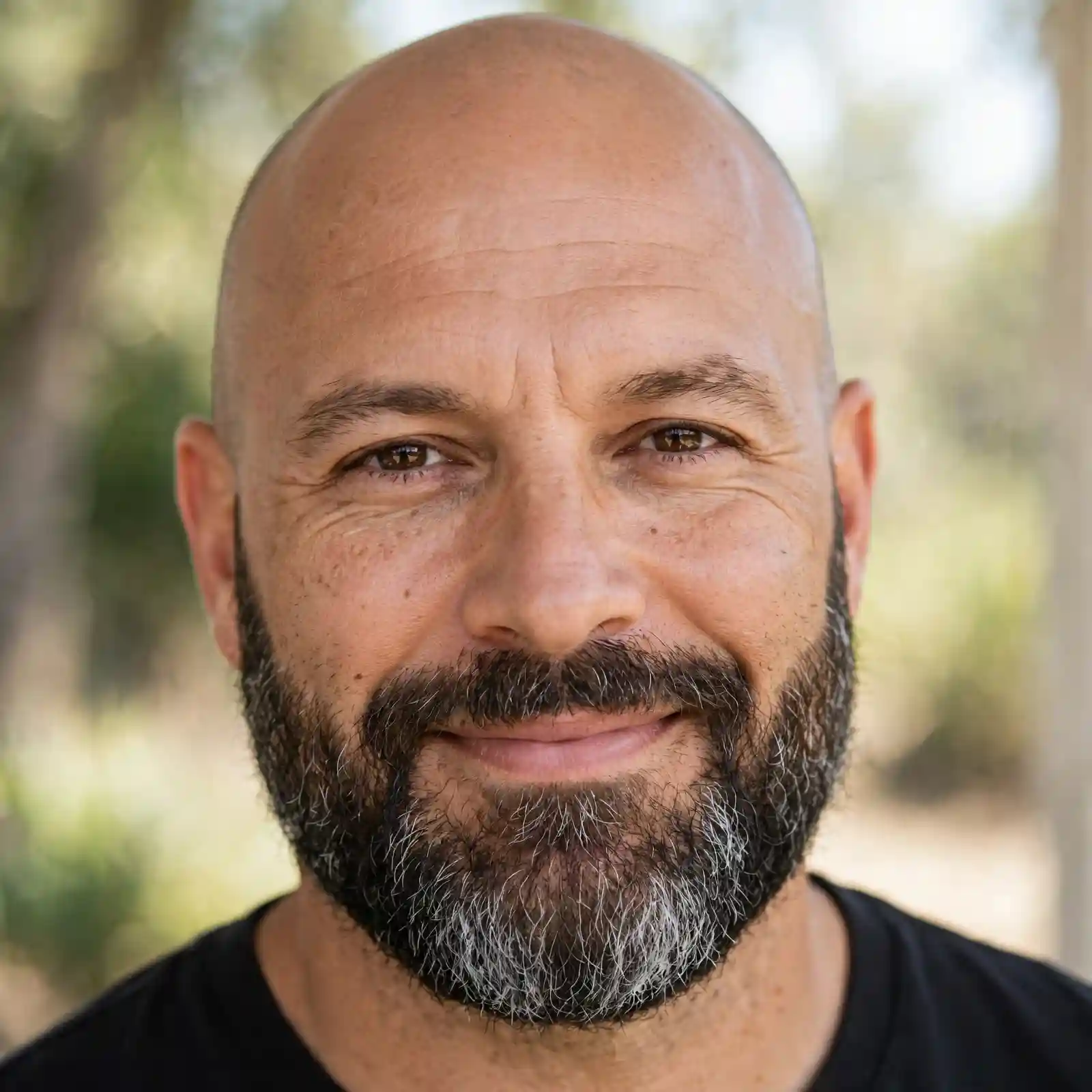
Before exploring the reasons, it’s important to know that scalp hair and facial hair respond differently to hormones.
The most common cause of male baldness is androgenetic alopecia, often called male pattern baldness.
This condition is influenced by genetics and a hormone called dihydrotestosterone (DHT).
In men who are genetically sensitive, DHT gradually shrinks hair follicles on the scalp, causing thinner hair and eventually baldness.
Interestingly, DHT has the opposite effect on facial hair. Instead of weakening beard follicles, it often stimulates them, helping facial hair become thicker and coarser.
This explains why some men may lose hair on their heads while still growing impressive beards.
However, beard growth also depends heavily on genetics. Not every bald man can grow a thick beard, and not every man with a full head of hair has strong facial hair.
The Hormonal Connection
One of the biggest misconceptions is that bald men automatically have higher testosterone levels.
In reality, baldness is usually linked to how sensitive hair follicles are to DHT rather than how much testosterone a man produces.
Two men with similar hormone levels can have completely different hairlines because their genes determine how their follicles respond.
Facial hair follicles generally respond positively to DHT, which is why beard growth may continue even as scalp hair thins.
This biological difference explains why the combination of a bald head and full beard is so common.
Creating Better Facial Balance
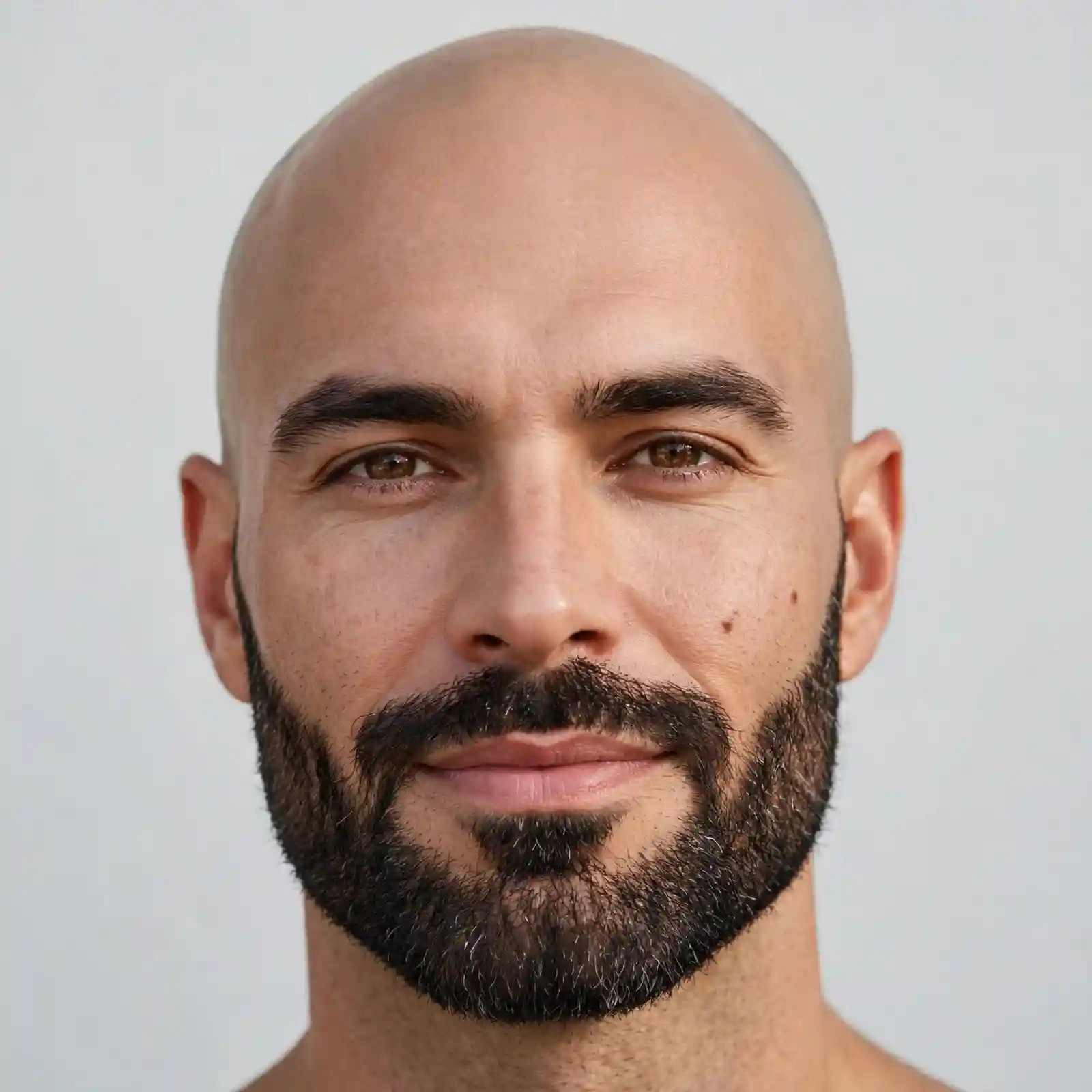
One practical reason many bald men grow beards is to improve facial proportions.
When hair disappears from the top of the head, the face often becomes the primary focal point. A beard can add visual structure by defining the jawline, chin, and cheeks.
Depending on the beard style, facial hair can:
- Create a stronger jawline.
- Make the chin appear more prominent.
- Add symmetry to the face.
- Balance the clean appearance of a shaved head.
- Draw attention toward facial features instead of the scalp.
Many grooming experts consider facial hair a way to frame the face, much like a hairstyle once did.
A Style Choice Rather Than a Rule

Growing a beard isn’t a requirement for bald men.
Some men prefer the clean, minimalist appearance of a completely shaved head and clean-shaven face. Others enjoy experimenting with different beard lengths to create a distinctive personal style.
Popular combinations include:
- Short stubble with a shaved head.
- Boxed beard for a professional appearance.
- Full beard for a rugged look.
- Salt-and-pepper beard for mature sophistication.
- Well-defined goatee for a classic style.
The best choice depends on facial shape, beard density, lifestyle, and personal preference.
Beards Can Boost Confidence
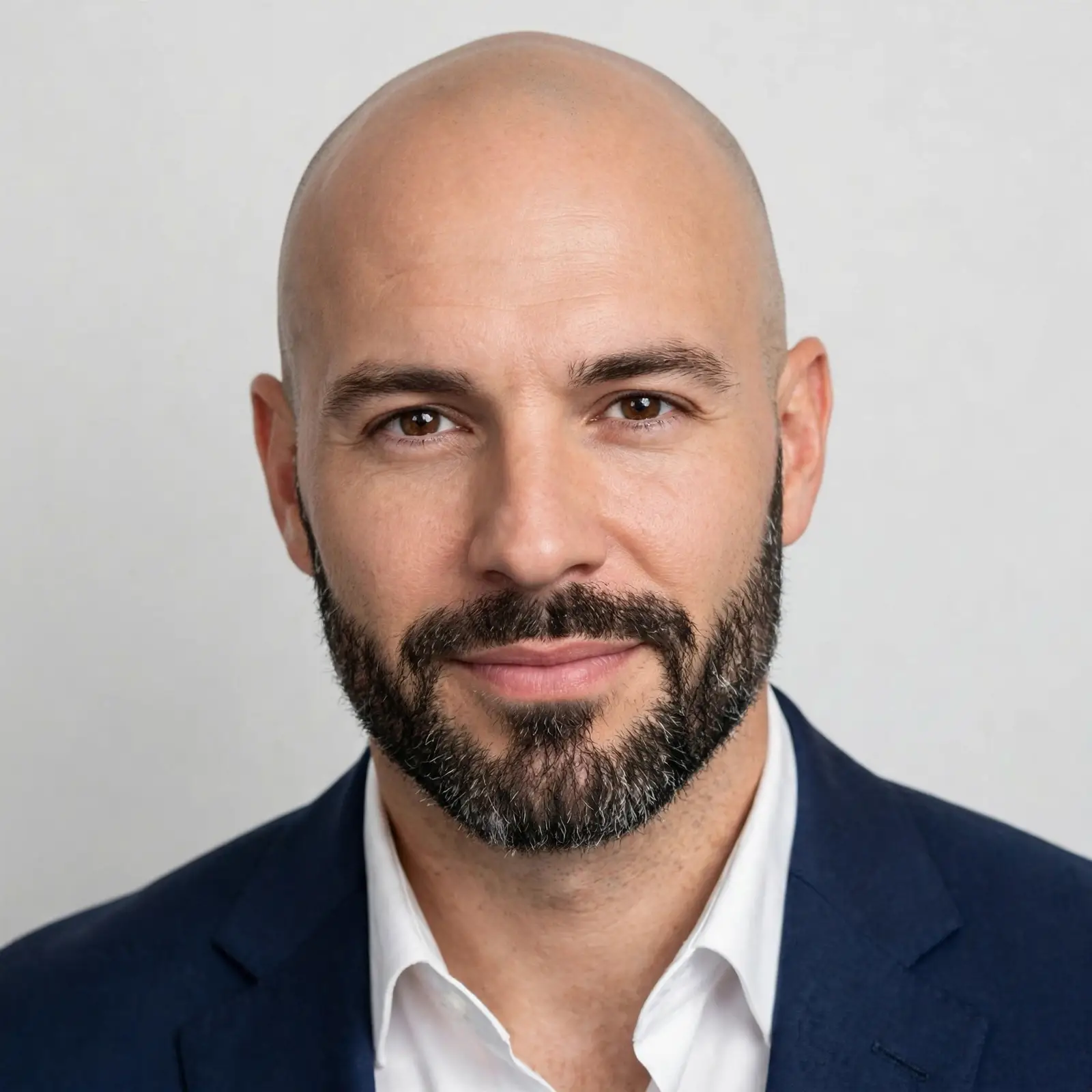
Hair loss can affect self-image, especially when it begins at a younger age. While many men eventually embrace baldness, growing a beard can make the transition feel more intentional.
Instead of focusing on what’s missing, facial hair allows many men to emphasize a feature they can shape, maintain, and personalize.
A well-groomed beard often gives men a greater sense of control over their appearance. Regular trimming, conditioning, and styling become part of a grooming routine that helps many feel polished and confident.
Confidence ultimately comes from self-acceptance, but personal grooming choices can certainly support it.
The Influence of Modern Fashion
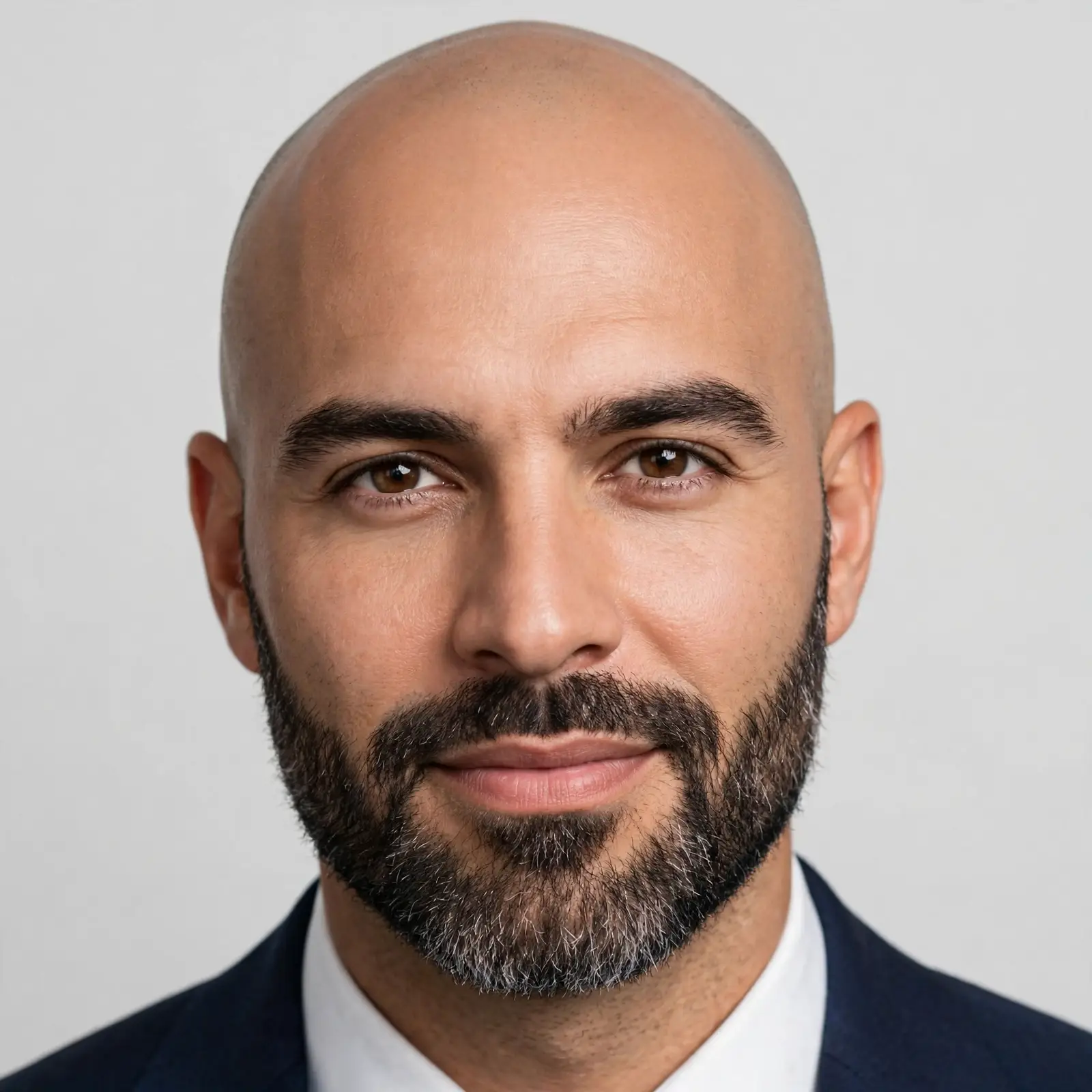
The popularity of bald-and-bearded styles has increased significantly over the past decade.
Actors, athletes, entrepreneurs, and fitness personalities have helped normalize the look. Many public figures demonstrate that baldness doesn’t limit style or attractiveness.
Instead, pairing a shaved head with a carefully maintained beard often creates a bold, masculine appearance.
As fashion trends evolved, baldness became less associated with aging and more connected with confidence, simplicity, and intentional grooming.
Social media has also encouraged men to experiment with beard styles, making facial hair an important part of modern men’s grooming.
Genetics Still Matter
Although baldness and beard growth are connected through hormones, genetics remain the biggest factor.
Some bald men naturally grow thick, even beards, while others may only develop light stubble. Likewise, some men with full heads of hair also struggle to grow facial hair.
Several genetic factors influence:
- Beard density.
- Hair thickness.
- Growth speed.
- Patchiness.
- Beard color.
No grooming product can completely override genetics, although proper skincare and nutrition help maintain healthy facial hair.
Grooming Makes the Biggest Difference
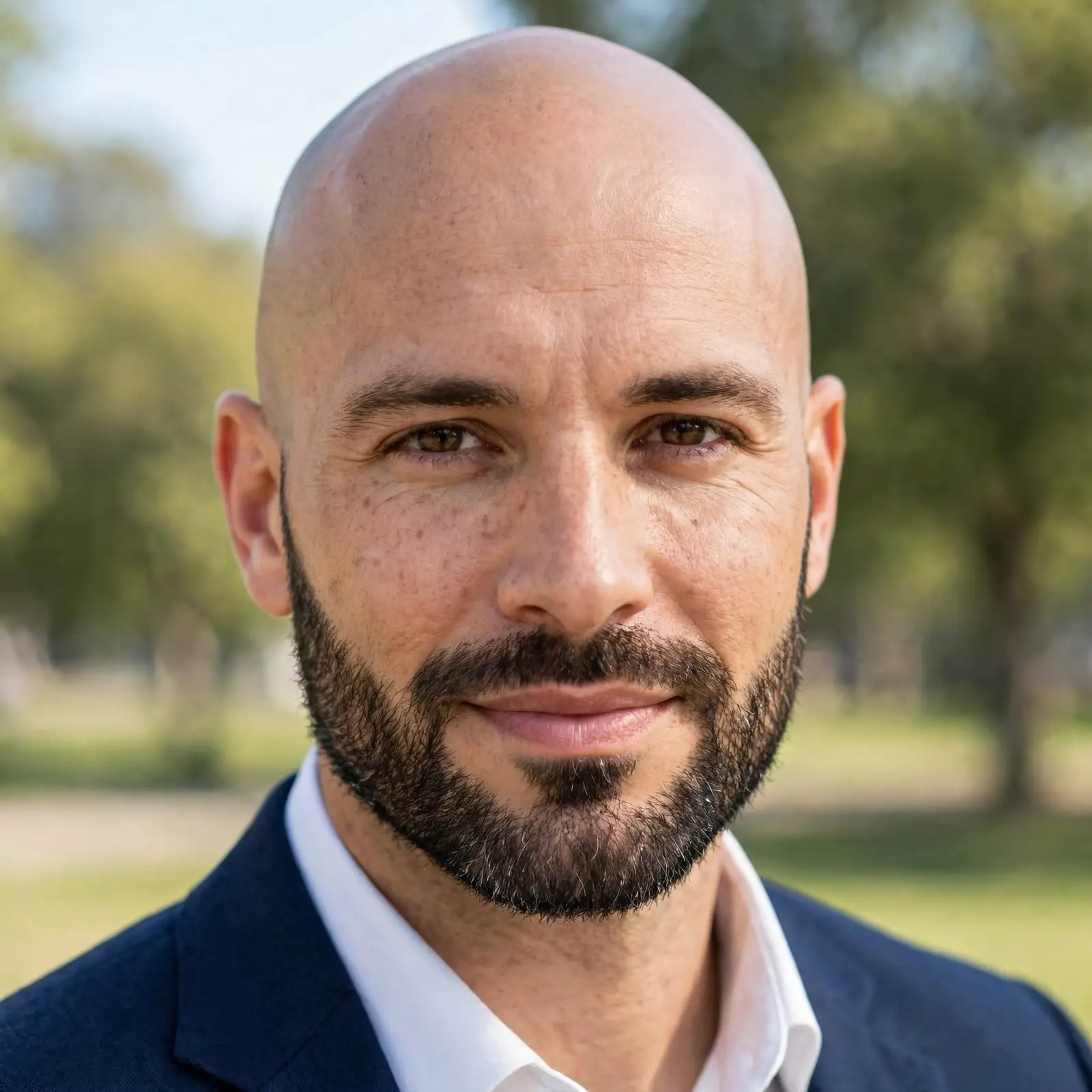
Whether a beard is short or long, grooming determines how polished it appears.
Healthy beard care includes:
- Washing facial hair regularly with a gentle beard cleanser.
- Using beard oil to reduce dryness.
- Brushing daily to distribute natural oils.
- Trimming split ends.
- Defining the neckline and cheek lines.
- Keeping the mustache neat.
A well-maintained beard looks intentional and complements a bald head much more effectively than an untrimmed one.
Is a Beard Necessary If You’re Bald?
Absolutely not.
Many bald men look excellent without facial hair. The ideal choice depends on facial structure, beard growth pattern, and personal style preferences.
Some men prefer:
- Completely clean-shaven.
- Light designer stubble.
- Medium-length beard.
- Full beard.
- Goatee or Van Dyke style.
Trying different styles over time can help determine which appearance feels most comfortable and suits individual features.
Common Myths About Bald Men and Beards
Several myths continue to circulate about baldness and facial hair.
Myth: Bald men have much higher testosterone.
Fact: Baldness is usually caused by genetic sensitivity to DHT rather than unusually high testosterone levels.
Myth: Every bald man can grow a thick beard.
Fact: Beard growth depends largely on genetics, and many bald men naturally have sparse facial hair.
Myth: Growing a beard hides baldness.
Fact: A beard doesn’t conceal a bald head, but it can create facial balance and enhance overall appearance.
Myth: Bald men must have beards.
Fact: Plenty of bald men choose to stay clean-shaven and look equally stylish.
Final Thoughts
So, why do bald men grow beards?
The answer combines biology, genetics, style, and confidence. Hormones such as DHT affect scalp and facial hair differently, allowing many men to lose hair on their heads while continuing to grow thick beards.
Beyond science, facial hair helps define facial features, creates visual balance, and gives many men an opportunity to express their personal style.
At the same time, growing a beard is entirely optional. Some men prefer a clean-shaven appearance, while others enjoy the bold combination of a shaved head and a full beard. Neither choice is inherently better than the other.
The most important factor is choosing a look that feels authentic and suits your lifestyle. Whether that’s a smooth scalp with a sharp beard, light stubble, or no facial hair at all, confidence and good grooming will always make the biggest difference.
