Building Confidence Through Style: A Plus Size Mens Guide

Style is not about reaching a particular body shape before you can dress well. It is about understanding your proportions, choosing clothes that feel comfortable, and creating outfits that reflect your personality.
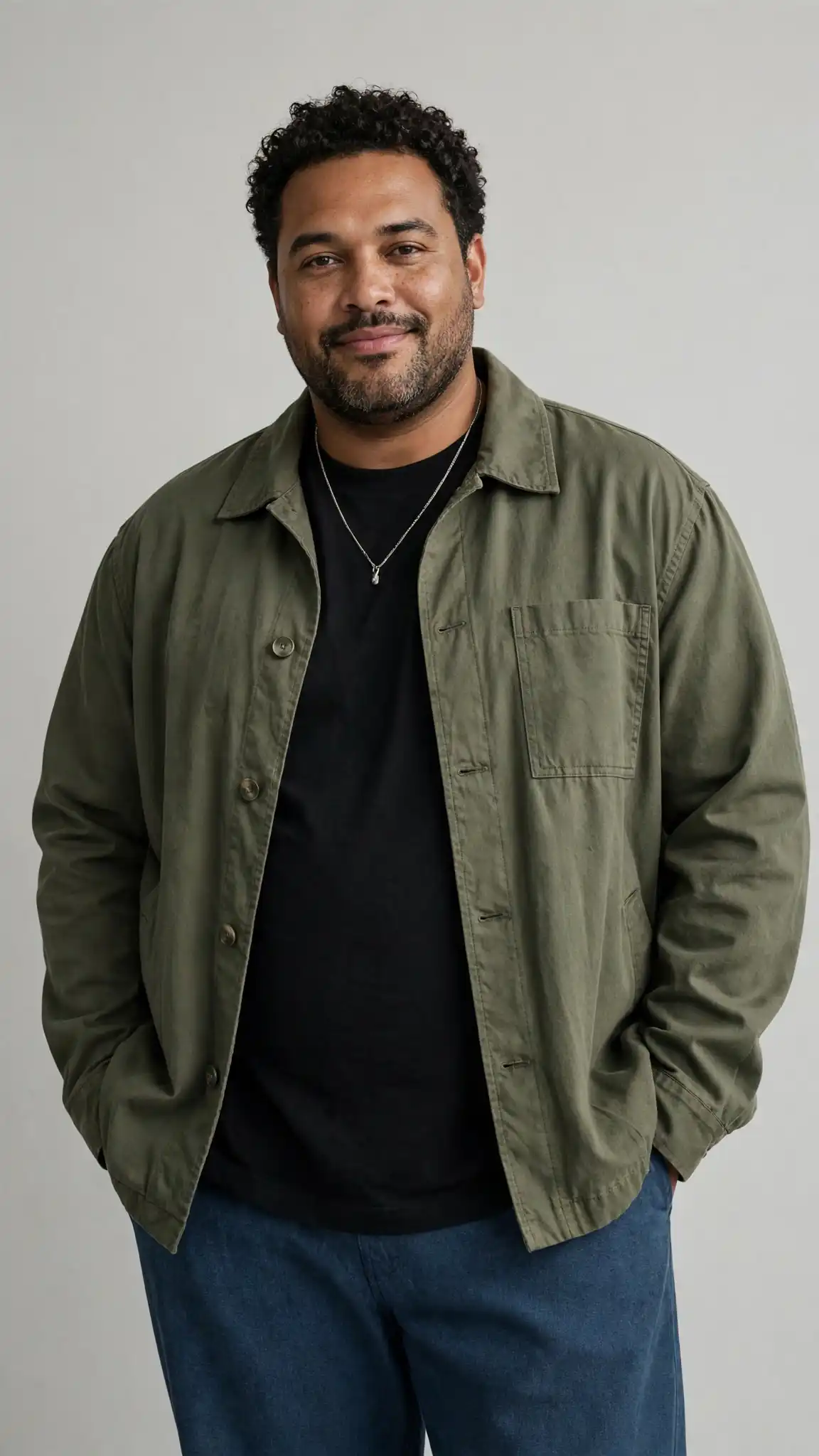
For plus-size men, finding clothing that feels stylish and flattering can sometimes be frustrating. Many options either focus too heavily on hiding the body or sacrifice comfort for appearance.
The better approach is to build a wardrobe around fit, proportion, confidence, and personal style.
When your clothes fit properly and work together, you naturally look more polished. More importantly, you feel comfortable enough to carry yourself with confidence.
Start With the Right Fit
Fit is one of the most important elements of dressing well, regardless of body type.
For plus-size men, oversized clothing can seem like an easy solution, but excessively loose pieces often make the entire outfit look shapeless.
On the other hand, extremely tight clothing can feel uncomfortable and draw attention to areas you may prefer not to emphasize.
Look for clothes that follow your natural shape without clinging tightly.
A well-fitting shirt should sit comfortably across the shoulders, while the sleeves should allow natural movement. Trousers should have enough room around the waist and thighs without creating excessive fabric.
If you find clothing that fits well in some areas but not others, consider simple tailoring. Small adjustments can make an inexpensive outfit look considerably more refined.
Understand Your Proportions
Good style often comes down to creating visual balance.
Instead of thinking about hiding your body, consider how different clothing pieces work together.
For example, a structured overshirt can add definition to a casual outfit, while a longer jacket can create a clean vertical line. Straight-leg or gently tapered trousers can also help create a balanced silhouette without feeling restrictive.
Avoid building an outfit entirely from bulky pieces.
A heavy sweater paired with very loose trousers and an oversized jacket can create unnecessary volume. Instead, combine relaxed pieces with more structured ones.
You might pair a comfortable knit with straight-leg trousers or wear a structured jacket over a simple T-shirt.
The goal is not to make yourself look smaller. It is to make the outfit look intentional.
Choose Fabrics That Work for You
Fabric can make a significant difference in both appearance and comfort.
Heavy, stiff materials can sometimes add unnecessary bulk, while extremely thin fabrics may cling to the body or lose their shape easily.
Look for fabrics with enough structure to drape naturally.
Cotton, linen blends, medium-weight knits, denim, twill, and structured jersey can all work well depending on the season and occasion.
For warmer weather, breathable materials become particularly useful. Lightweight cotton shirts, relaxed linen-blend trousers, and breathable polos can help you stay comfortable without relying on oversized clothing.
Comfort matters because confidence is difficult to maintain when you are constantly adjusting your clothes.
Build Around Versatile Basics
A confident wardrobe does not need dozens of pieces.
Start with versatile clothing that can be combined in different ways.
Useful essentials might include:
Neutral colors make these pieces easier to combine.
Once your foundation is established, you can introduce stronger colors, patterns, textures, and accessories.
This approach also makes getting dressed easier because you are working with clothing that already coordinates.
Don’t Be Afraid of Color
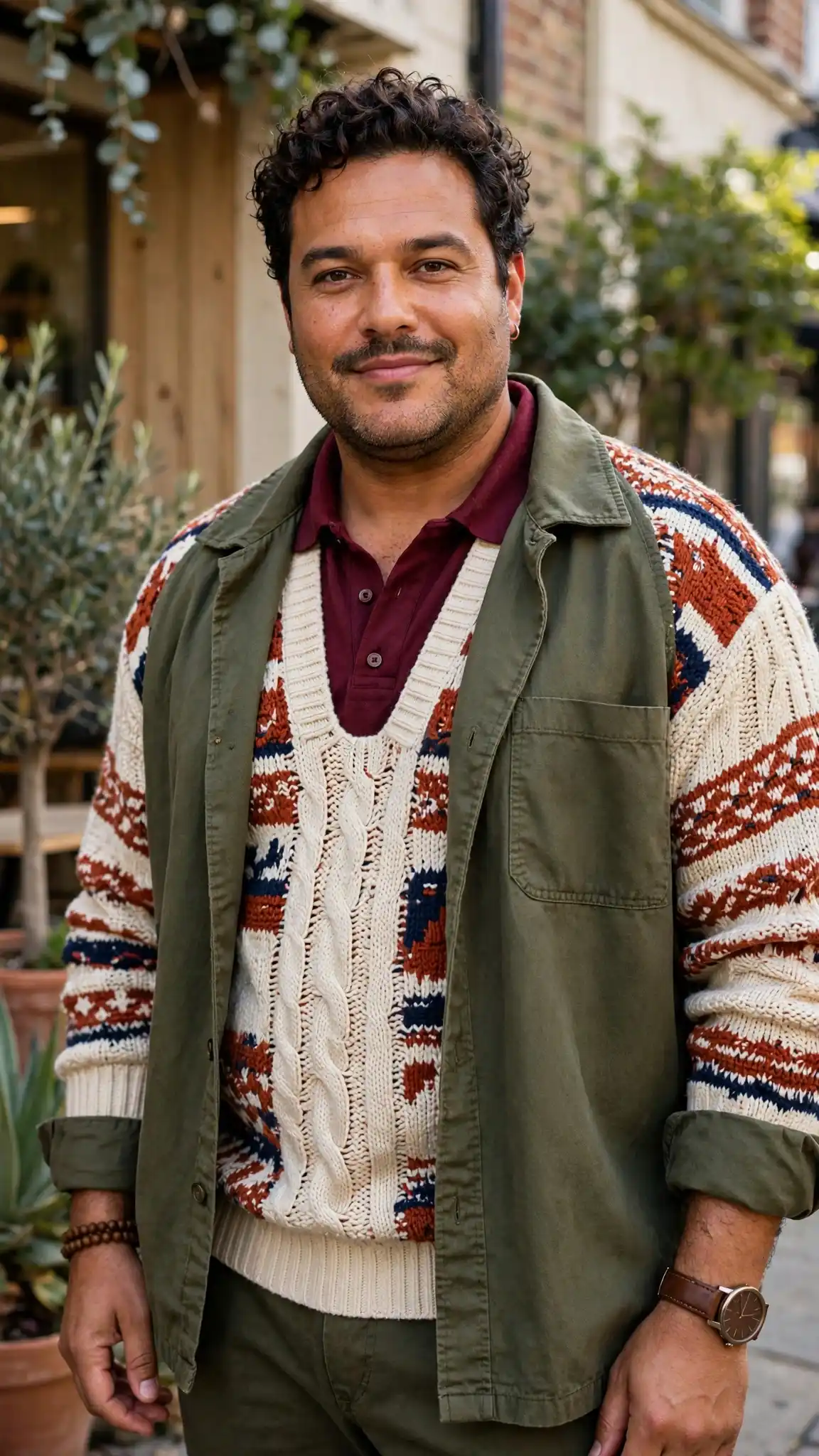
One common mistake is assuming that plus-size men should only wear dark clothing.
Dark colors can certainly create a sleek appearance, but they are not a requirement for looking stylish.
Navy, olive, charcoal, cream, burgundy, rust, brown, and muted blue can all add personality to an outfit.
If you are not comfortable wearing bright colors, start with smaller details.
Try a colored polo shirt, patterned overshirt, textured sweater, or simple accessory.
You can also use color strategically by keeping the main outfit relatively neutral and adding one noticeable shade.
Style should make you feel more like yourself, not force you into a limited color palette.
Use Layers to Create Interest
Layering can make a simple outfit look considerably more sophisticated.
A T-shirt with jeans is perfectly functional, but adding an open overshirt or lightweight jacket immediately gives the outfit more dimension.
During cooler months, consider combinations such as a button-down shirt underneath a textured sweater, followed by a structured coat.
The key is to avoid adding unnecessary bulk.
Choose layers that complement each other rather than stacking several thick pieces together.
Open jackets and shirts can also create vertical lines through the outfit, giving it a more structured appearance.
Find Trousers That Actually Feel Comfortable
Trousers can make or break an outfit.
Instead of focusing only on waist size, pay attention to the rise, thigh area, leg shape, and overall length.
A mid- or higher-rise trouser can provide a comfortable fit and create a cleaner transition between your shirt and trousers.
Straight-leg trousers are particularly versatile because they provide room without looking excessively loose.
A gentle taper can also work well when you prefer a more contemporary silhouette.
Avoid trousers that constantly pull around the waist or thighs. If you cannot sit, walk, or move comfortably, the fit is probably not right.
Pay Attention to Outerwear
Jackets and coats are especially important because they often become the strongest visual element of an outfit.
Look for outerwear with clean construction and enough room to close comfortably.
Structured jackets can give a casual outfit more definition, while longer coats can create a streamlined appearance.
A simple bomber jacket, chore jacket, overshirt, or tailored casual coat can become a reliable wardrobe staple.
When buying outerwear, make sure the shoulder seams sit correctly. A jacket that is too narrow across the shoulders will feel restrictive, while one that is dramatically oversized can overwhelm the rest of the outfit.
Accessories Can Change Everything
Accessories are an easy way to express personality without changing your entire wardrobe.
A good watch, sunglasses, leather belt, simple bracelet, hat, or quality bag can add character to an otherwise basic outfit.
Shoes are equally important.
Clean sneakers can make an outfit feel relaxed, while loafers, boots, or minimalist leather shoes can make the same trousers appear more polished.
Choose accessories that complement your overall style rather than adding everything at once.
One or two intentional details often look better than an outfit overloaded with accessories.
Dress for the Occasion
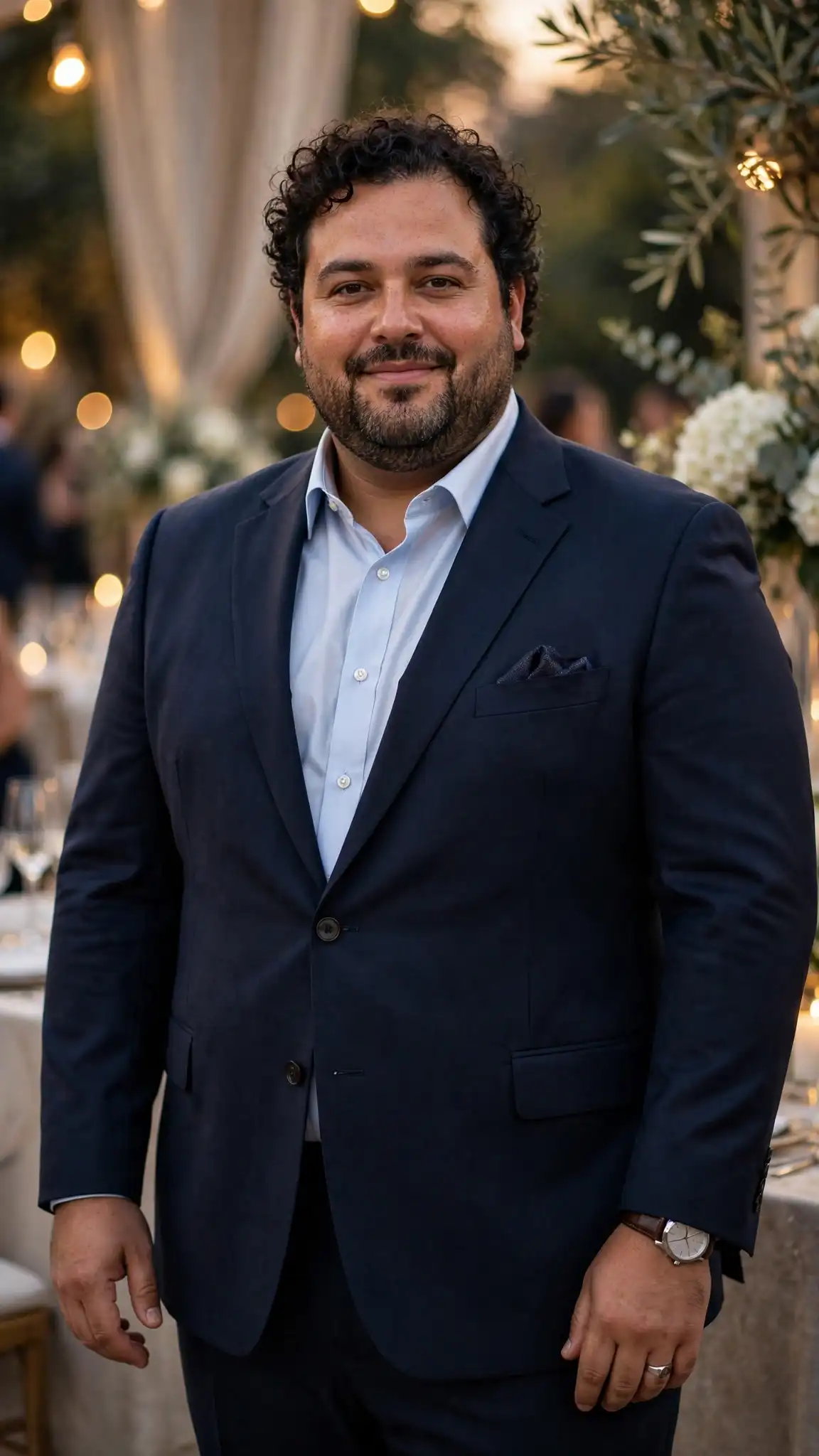
Confidence also comes from knowing that you are appropriately dressed.
A casual weekend outfit does not need to look like formalwear, while an important event deserves more attention than everyday clothing.
For smart-casual occasions, try combining dark trousers with a button-down shirt and structured jacket.
For formal events, focus on a properly fitted suit rather than trying to disguise your shape with an oversized jacket.
The right fit, clean shoes, and thoughtful accessories can make formal dressing feel much more approachable.
Confidence Comes From Practice
The biggest change in personal style often happens when you stop treating clothing as something that needs to hide you.
Experiment with different silhouettes.
Try colors you normally avoid.
Take photographs of outfits you like and identify what makes them work.
Pay attention to how different cuts feel when you sit, walk, and move throughout the day.
Most importantly, give yourself permission to enjoy fashion.
There is no single formula for dressing a plus-size body. Your style can be classic, modern, rugged, minimalist, relaxed, sophisticated, or a combination of several influences.
The Bottom Line
Building confidence through style starts with clothing that fits your body rather than fighting against it.
Focus on comfortable fabrics, balanced proportions, versatile basics, thoughtful colors, and pieces that make you feel good when you wear them.
You do not need to wait for a different body to start dressing with confidence.
The goal is not to hide your size. It is to build a wardrobe that makes you feel comfortable, capable, and completely yourself.
